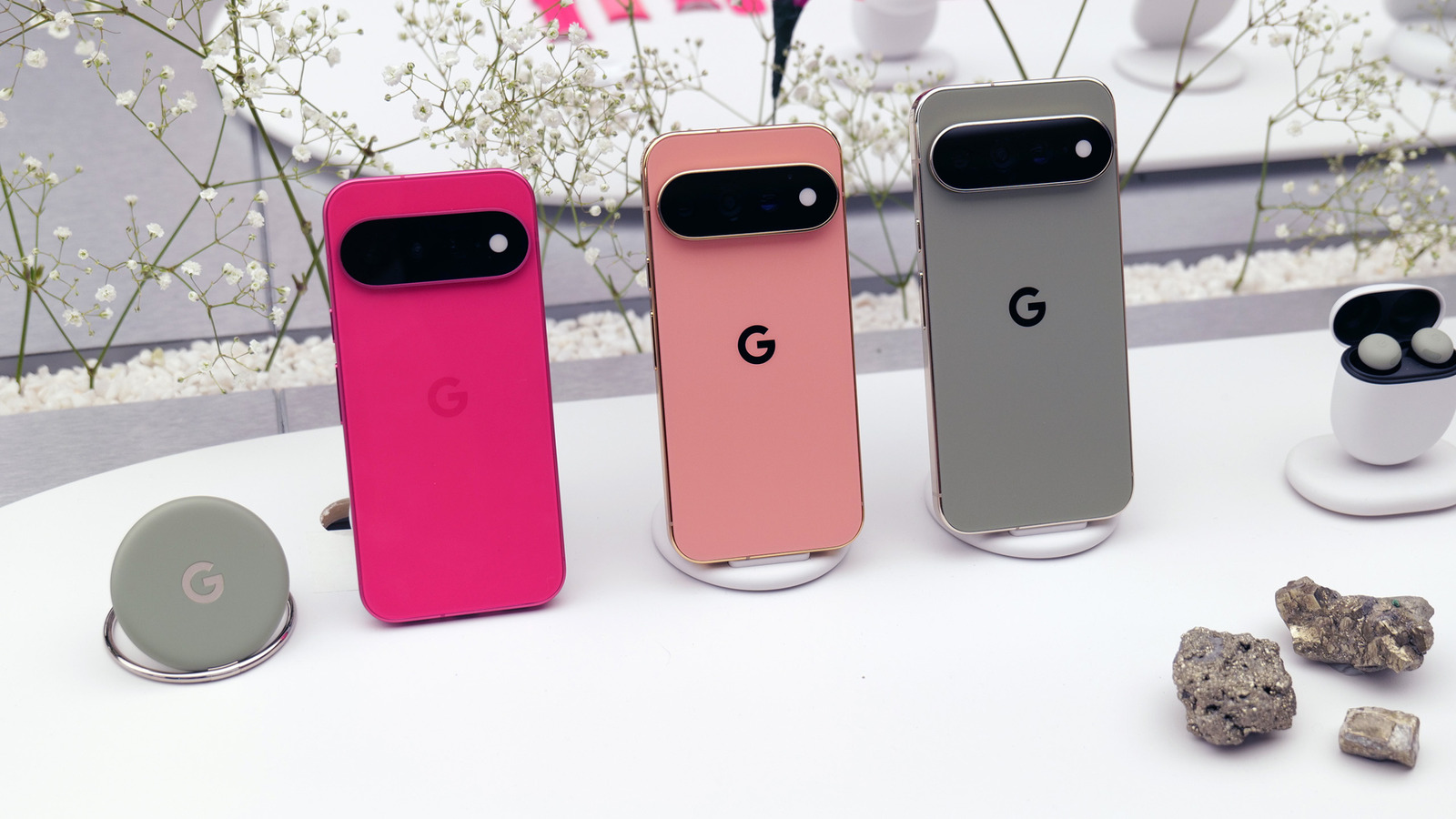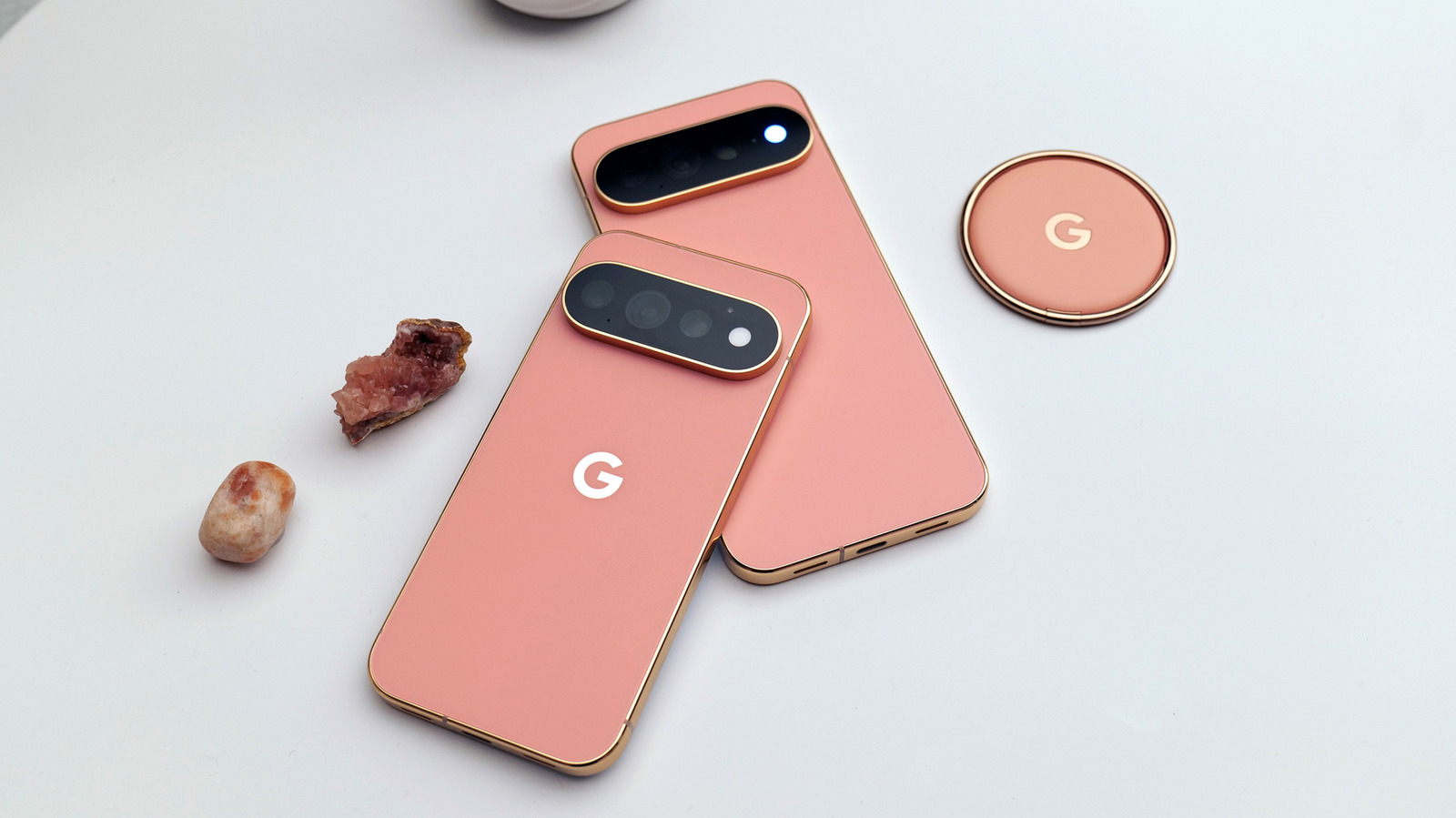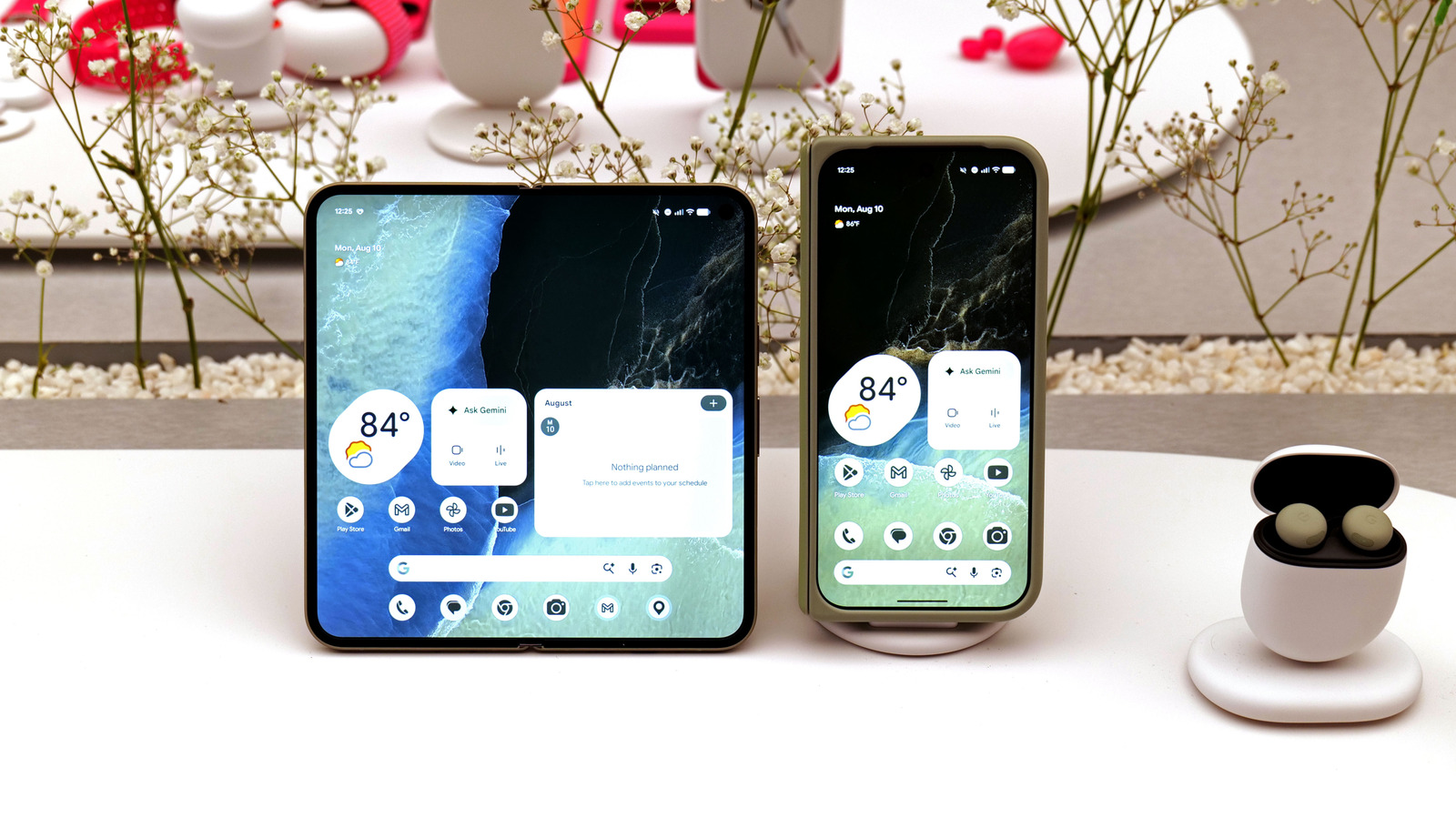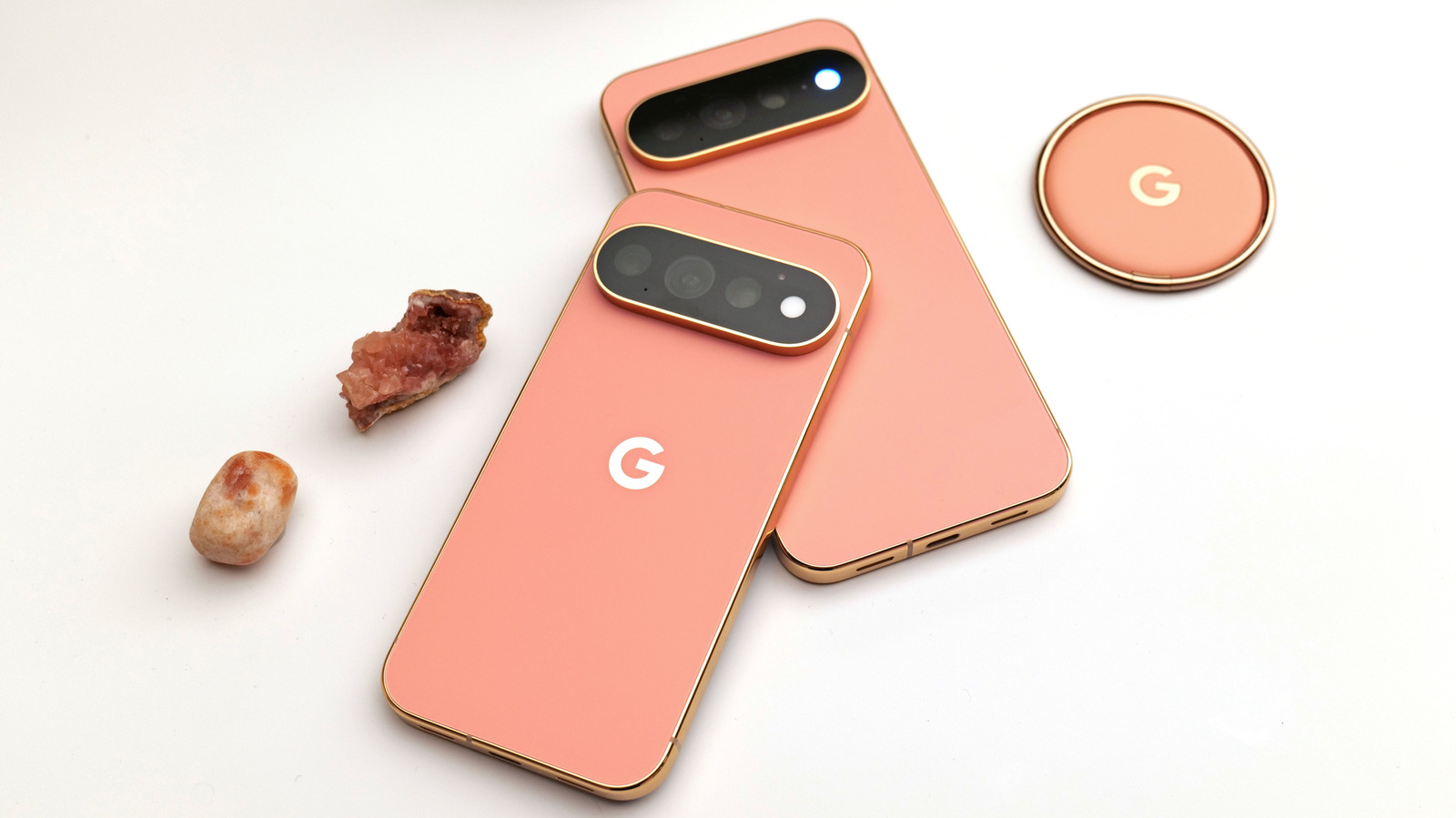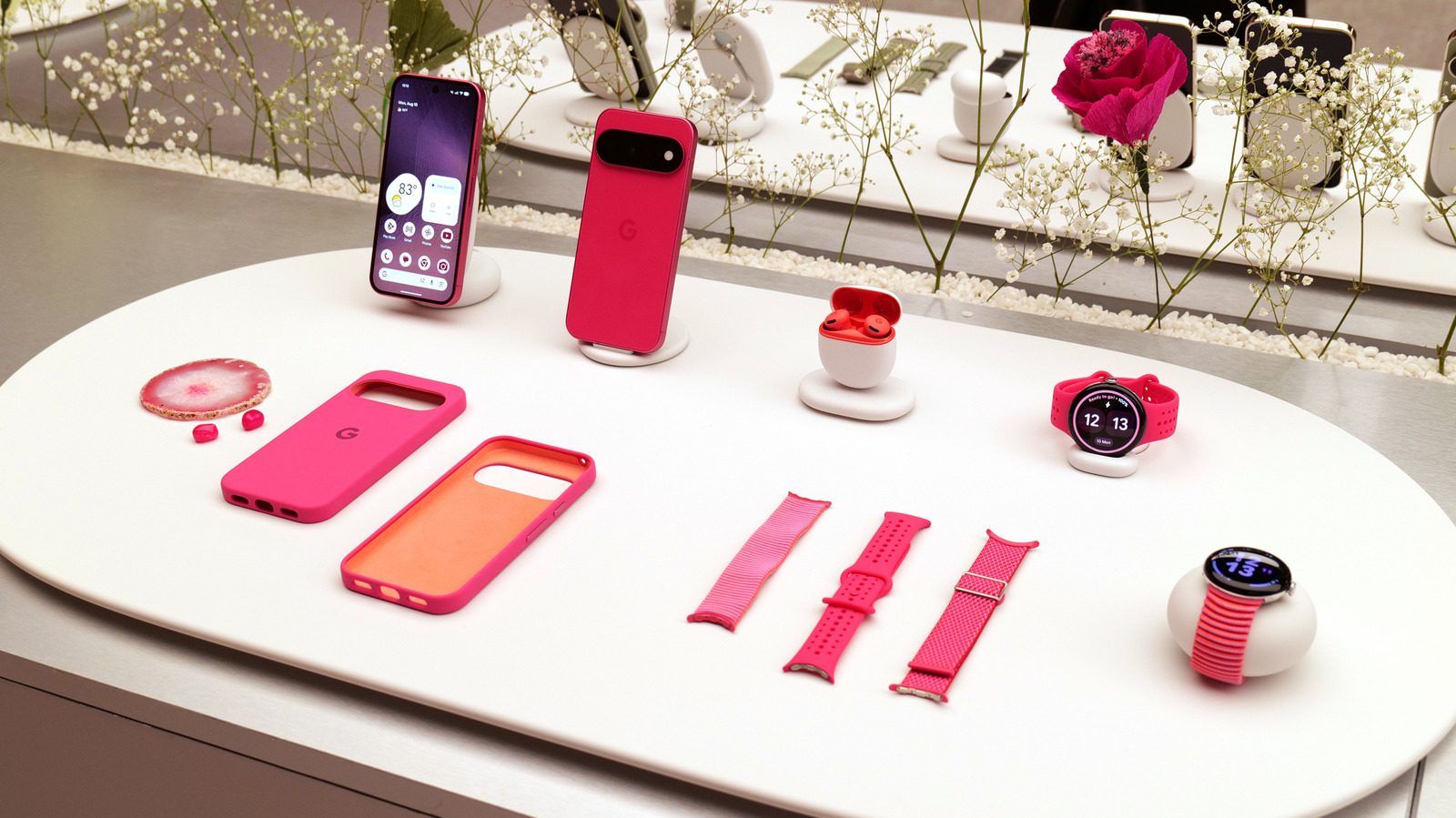
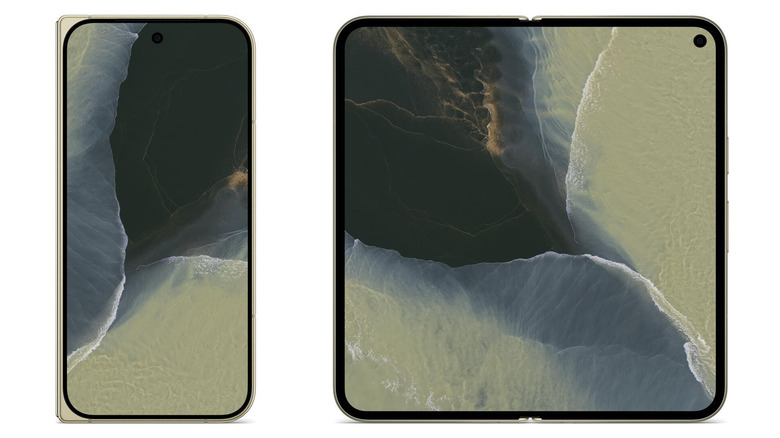
The Pixel 11 Pro Fold is the ultimate evolution in Google's latest line of mobile devices, featuring all of the Pro upgrades plus the added bonus of a bendable, 8-inch display that pops open like a little book. Google unveiled the Pixel 11 Pro Fold during its Made by Google event on Wednesday, alongside the Pixel 11, Pixel 11 Pro and Pixel 11 Pro XL.
Google's new phones are due to hit store shelves on August 20, and pre-orders for all of them are open now. The Pixel 11 costs $899, the Pixel 11 Pro will run you $1,099, and the Pixel 11 Pro XL is $1,299. The Fold, as the granddaddy in this situation, starts at $1,899. All of those base prices are $100 more than last time around.
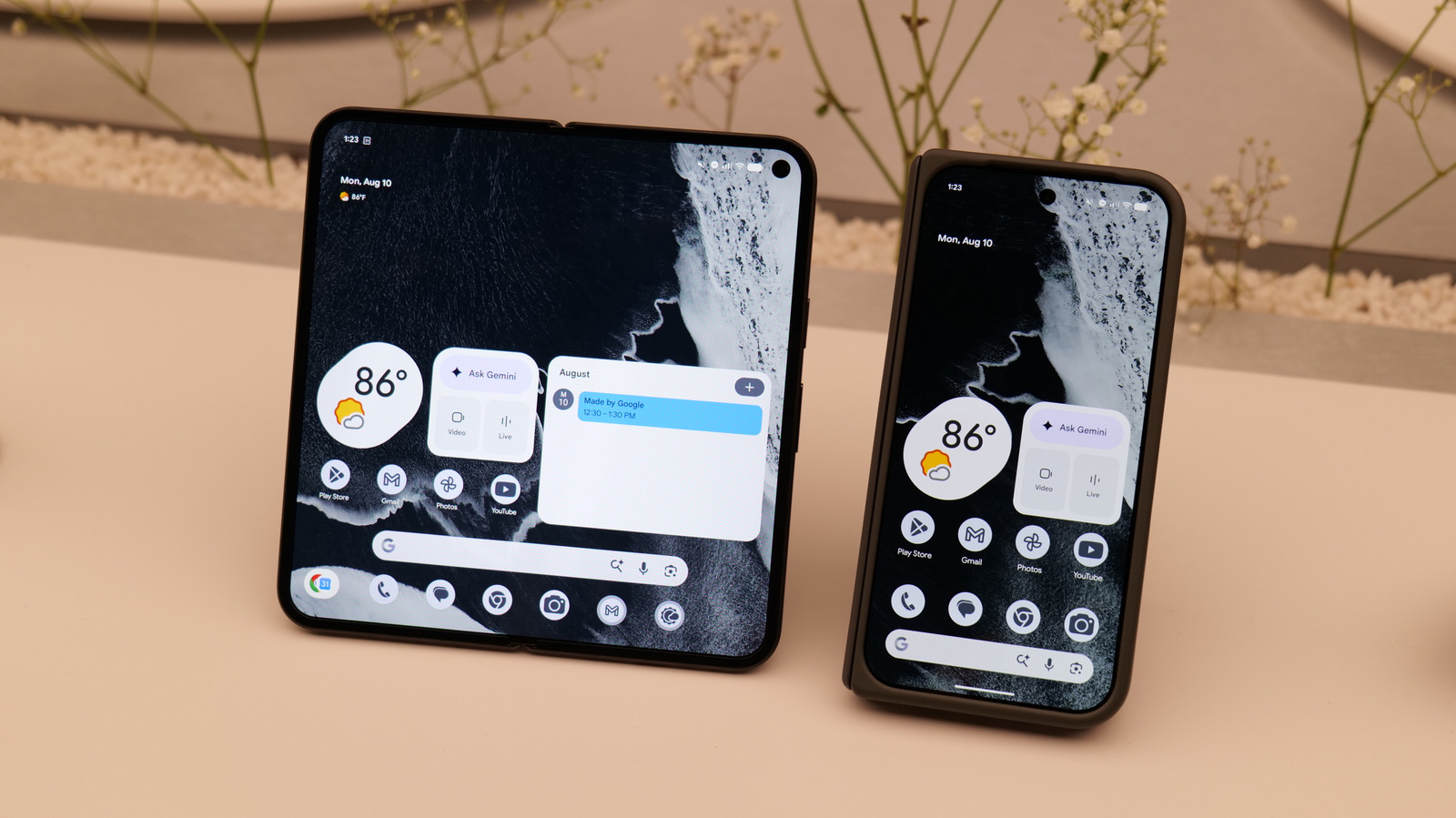
Google claims the Pixel 11 Pro Fold feels just like a regular, non-foldable phone in your hands when it's shut. Compared with the Pixel 10 Pro Fold, this year's model is almost 10 percent lighter, 1mm thinner and, purportedly, "three times stronger." (A tiny footnote in Google's press release says that last point is "Based on internal testing using pre-production devices. Actual results may vary.", so make of that what you will.)
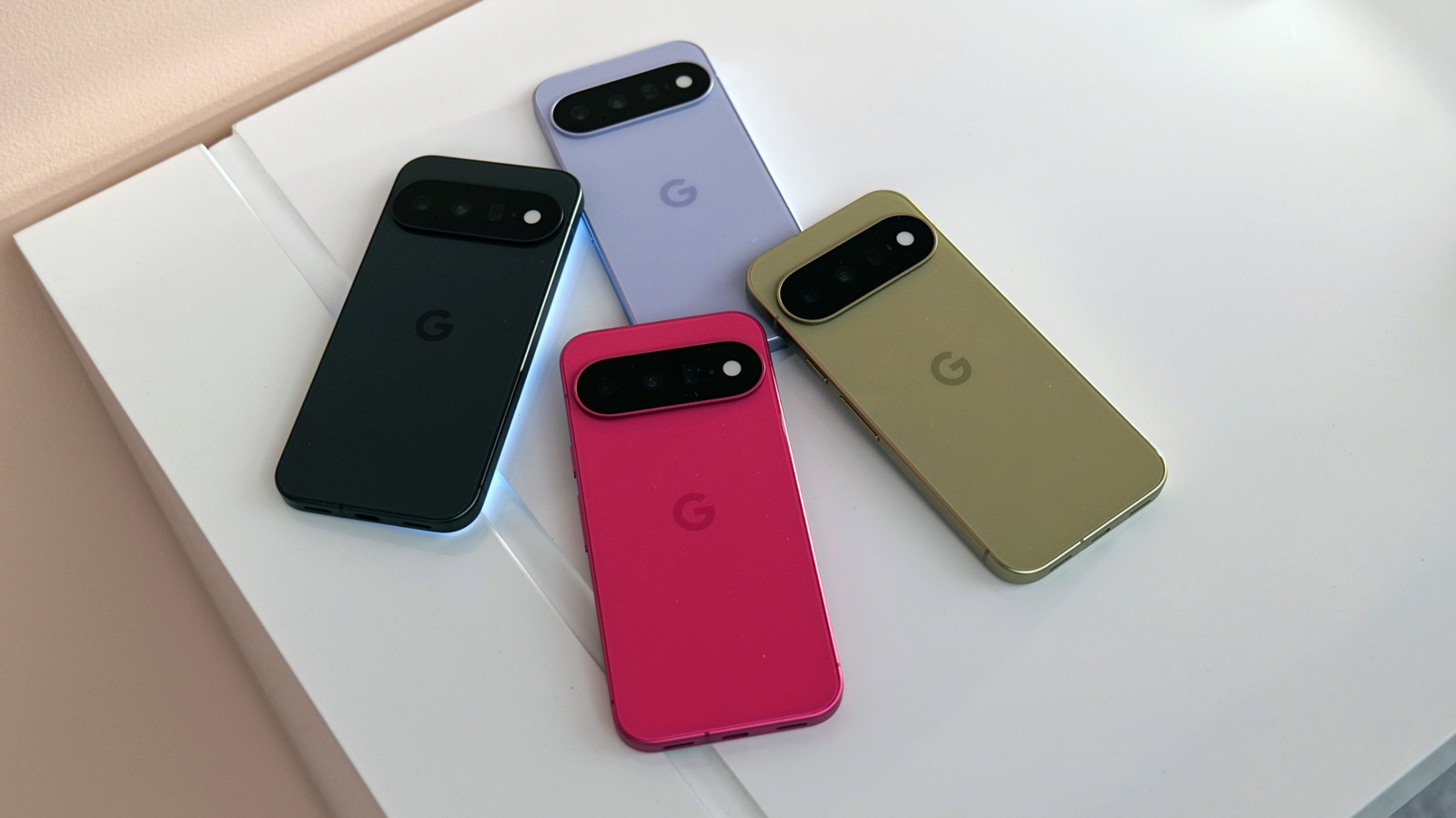
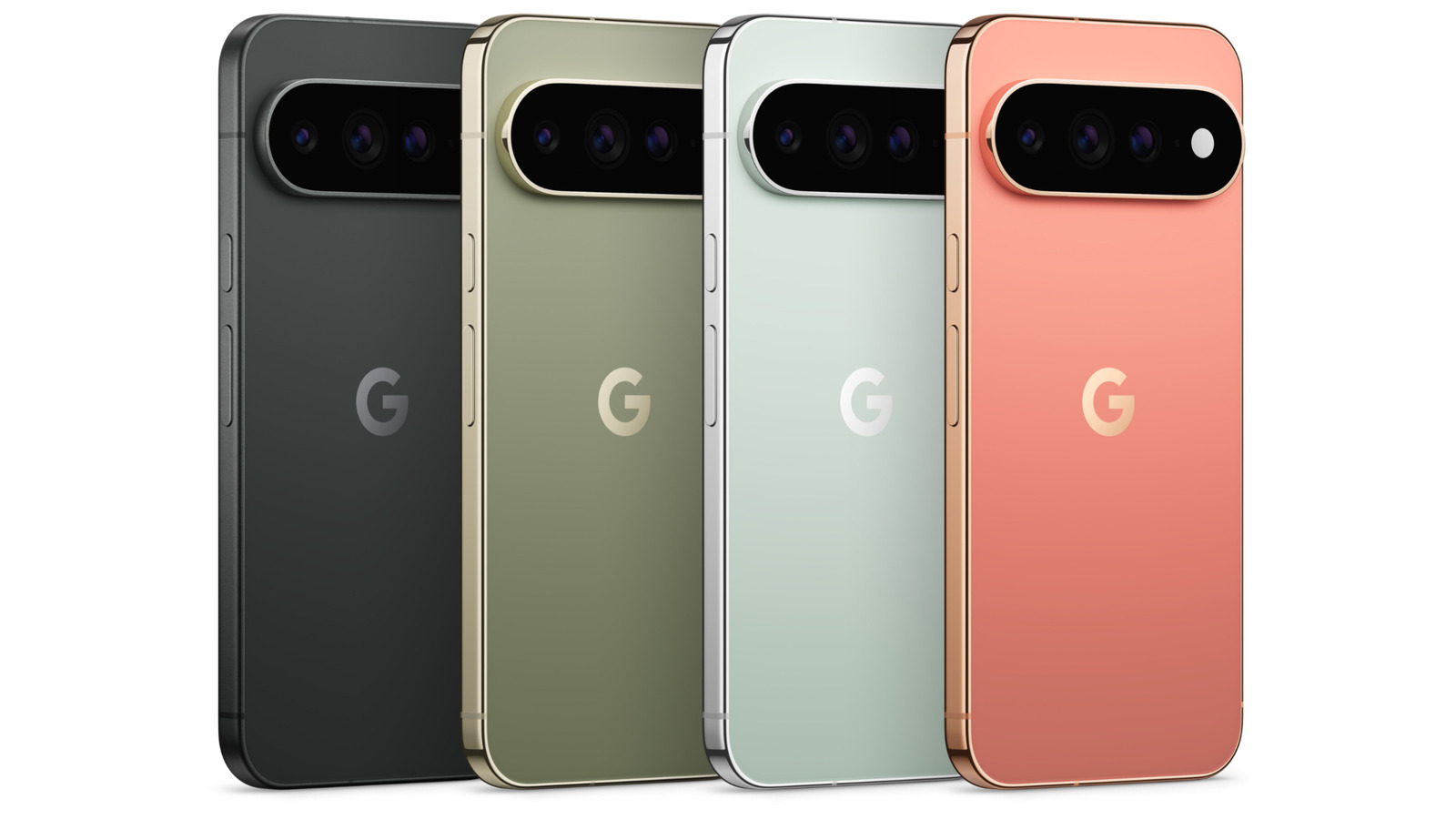
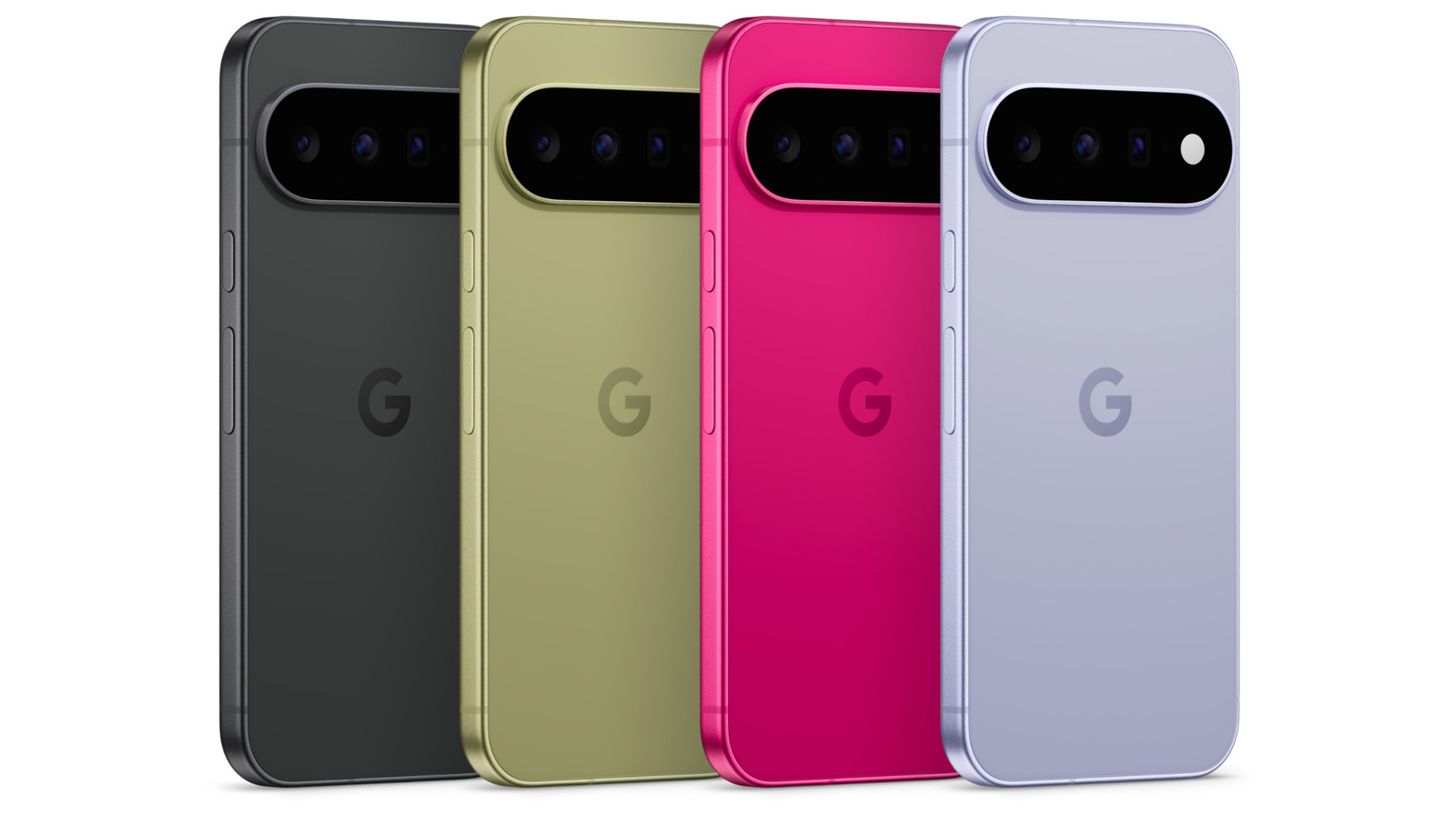
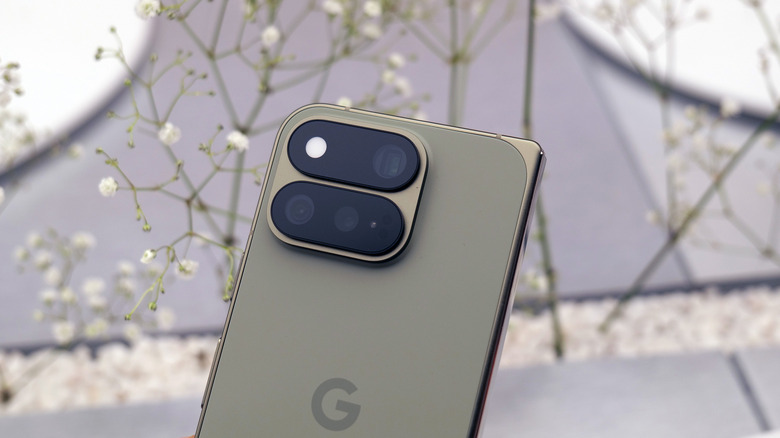
Closed up and ignoring the camera bump, the Fold is 10.1mm thick, with each half measuring 5mm. Unfolded, it's 5.9 inches wide, and folded, it's 3 inches wide, with a height of 6.1 inches. It has a soft-touch composite back, scratch-resistant glass, a new durable hinge, and IP68 water and dust rating. The new Fold comes in two colorways: obsidian all around, or olive with a gray satin metal frame.
Inside the Pixel 11 Pro Fold
Sam Rutherford for Engadget
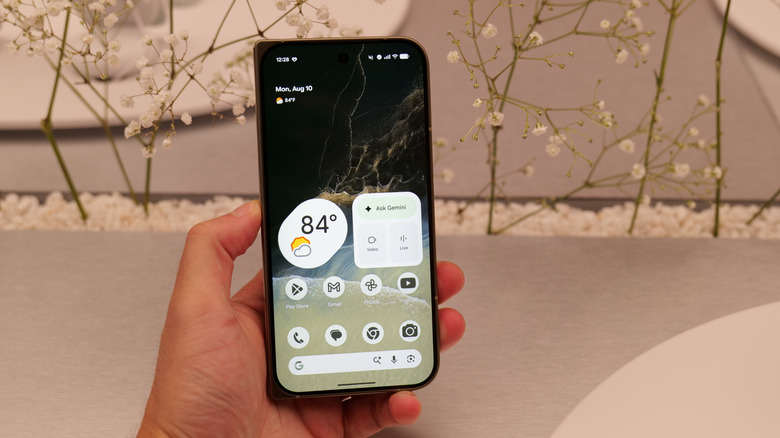
Inside the Pixel 11 Pro Fold, its screen measures 8 inches diagonally, with rounded corners and a Super Actua Flex OLED display. For the first time in the Pixel Fold's lifetime, the phone's 6.5-inch front OLED screen is also given the Super Actua branding and each is capable of reaching 3,600 nits this time around. Both screens appear 20 percent brighter than the Pixel 10 Pro Fold, according to Google.
Even deeper inside the new Fold, its guts include Google's Tensor G6 processor, just like all of the Pixel 11 devices. Compared with the Tensor G5 processor, which powered all of last year's Pixel models, Google says the Tensor G6 CPU improves power efficiency by 20 percent, browsing speeds by 25 percent, and app load times by 15 percent. The G6 also helps enhance the Pixel Camera across devices, with a 50 percent more powerful TPU and improved Imaging Signal Processor. The Tensor G5 was never the fastest flagship chip, so if Google's figures are accurate it'll be a welcome improvement.
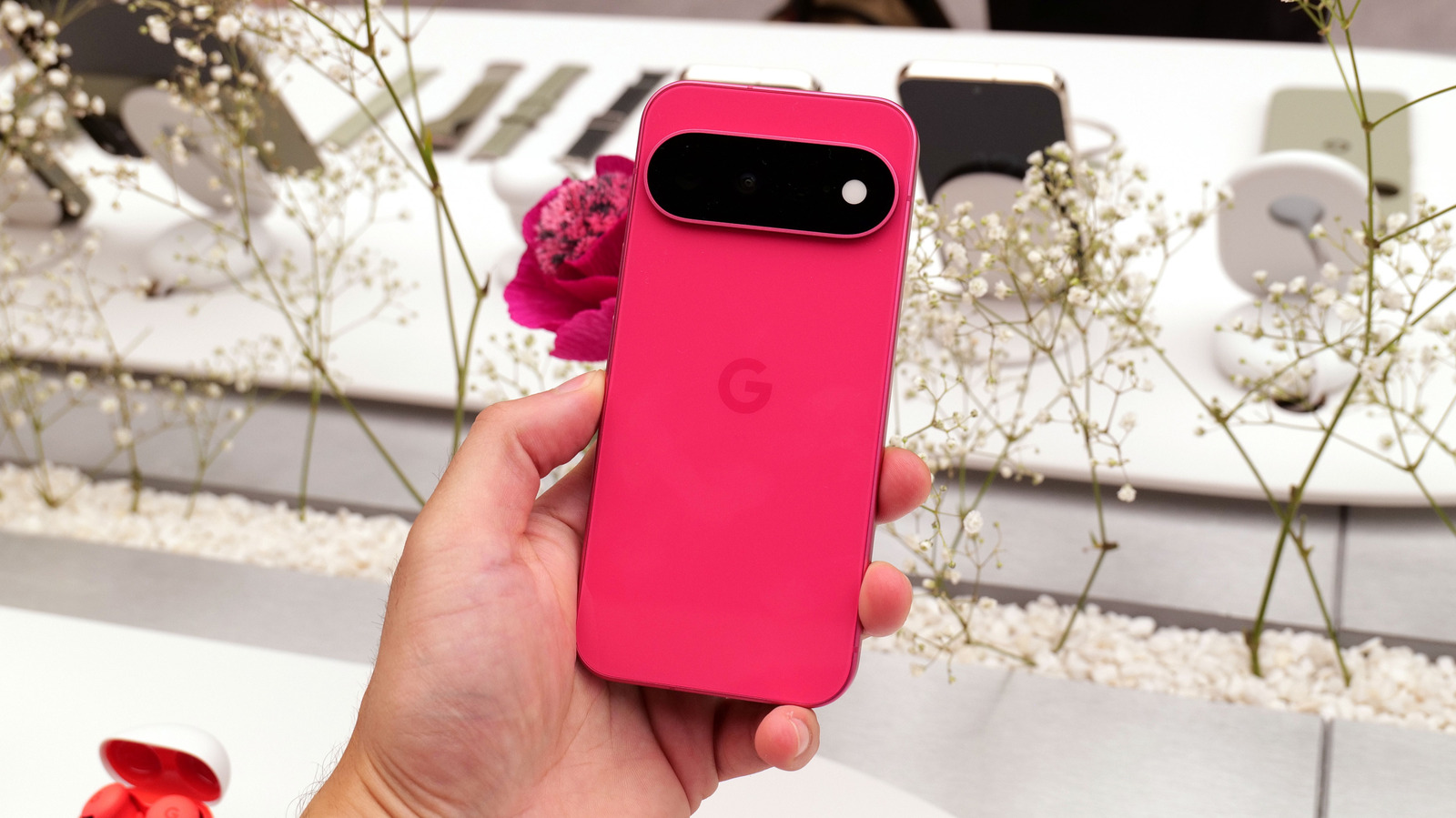
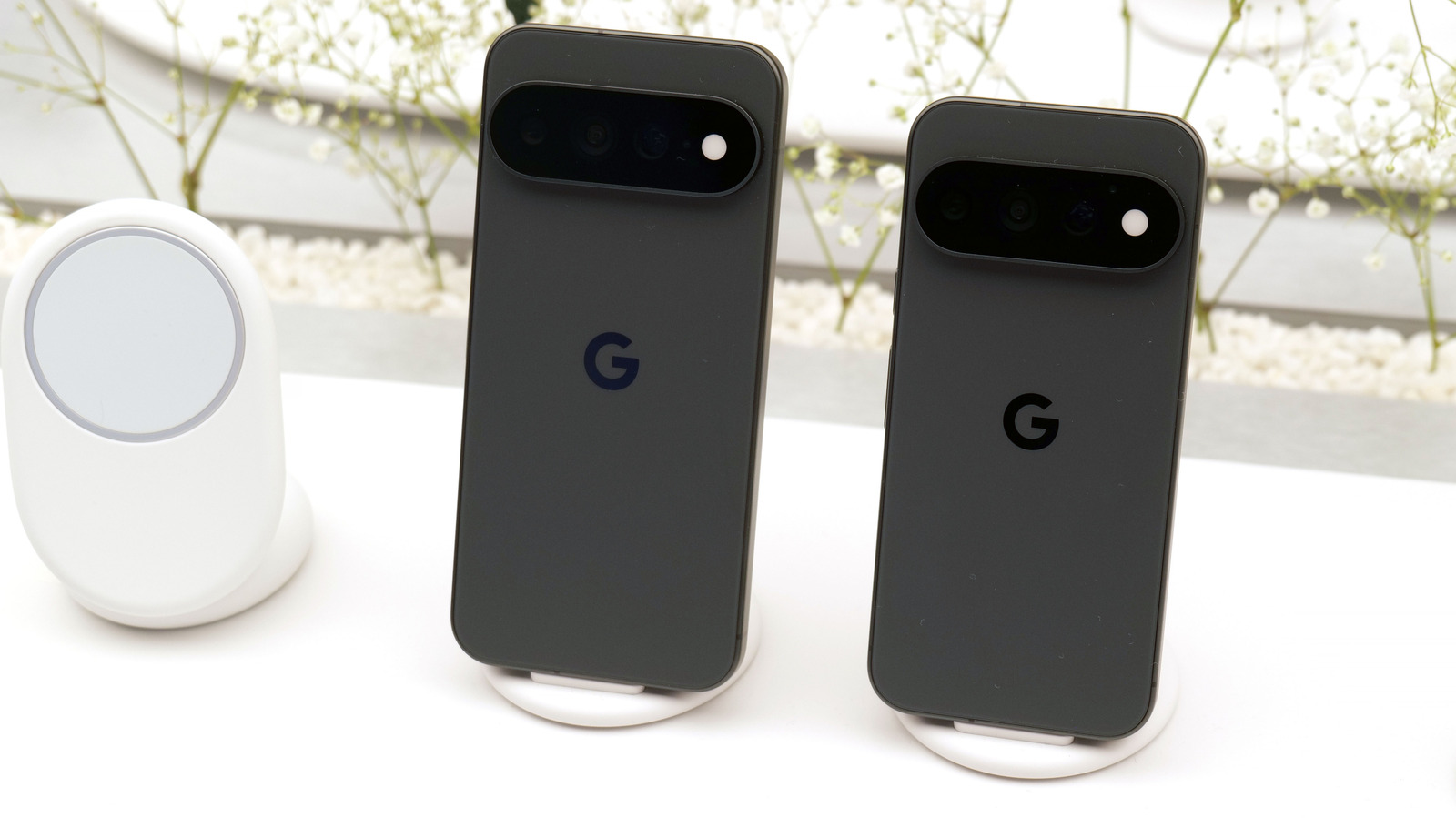
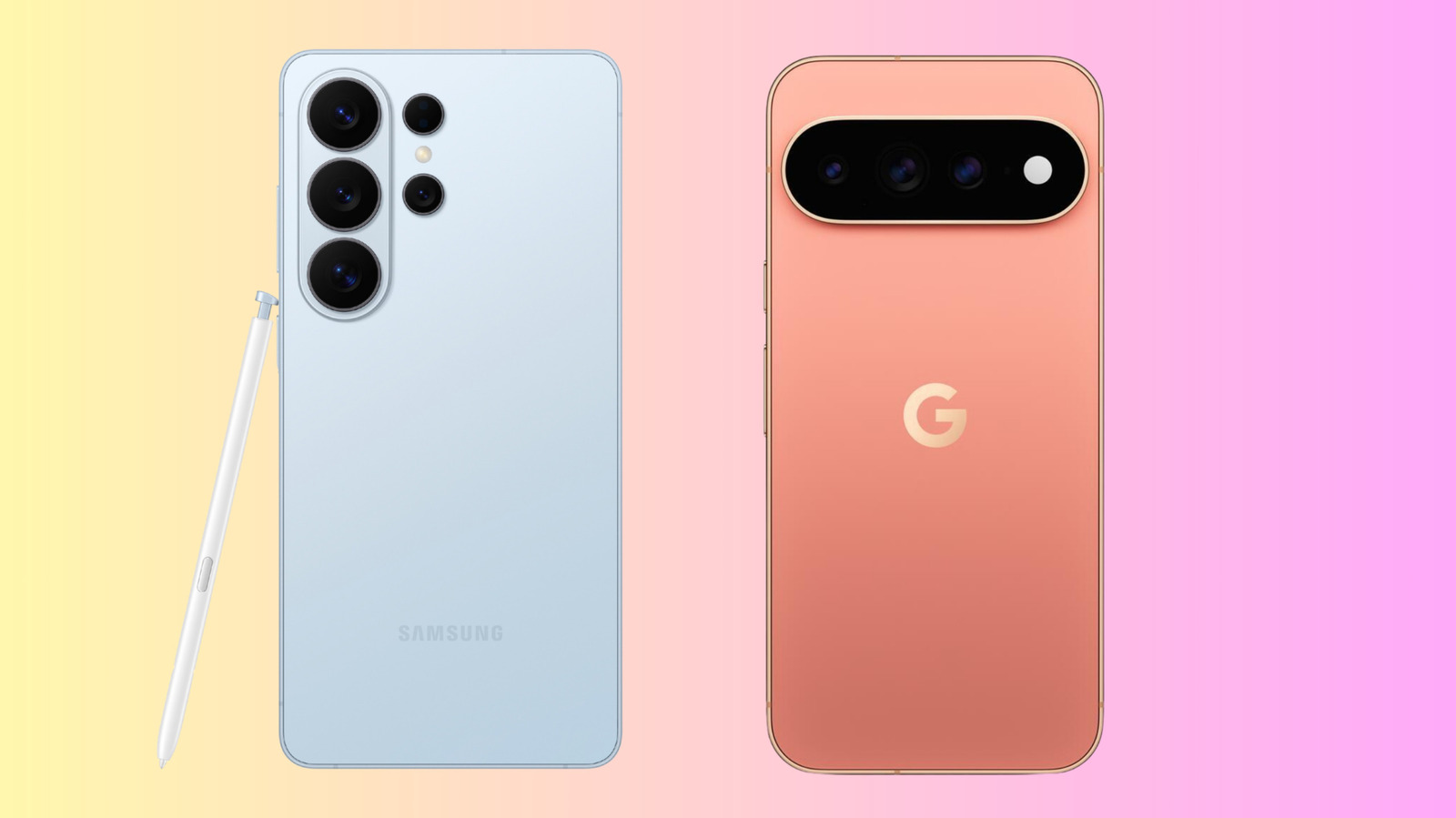
The Pixel 11 Pro Fold specifically features a dual-pill camera layout (this camel has two humps) holding a triple-lens array: There's a 48 MP main lens, a 10.5 MP ultrawide with Macro Focus, and a 10.8 MP 5x telephoto lens, complete with 30x Super Zoom capabilities. While those megapixel counts may be extremely familiar, there's actually a big change behind the scenes. The main wide camera has been bumped to a 1/1.56-inch sensor, which means each pixel on the sensor is significantly larger than on the Pixel 10 Pro Fold's smaller chip. Google says the new setup pulls in 56 percent more light than better enabling after-dark, no-flash photography. (The ultrawide and telephoto lenses are genuinely, spec-for-spec, identical to the previous model.) The 11 Pro Fold also supports 4K video recording at 24 FPS, 30 FPS or 60 FPS, with a suite of stabilization, timelapse, Magic Capture, night sight, editing and slow-motion options.
Additionally, the new Fold features a 10 MP selfie camera and 10 MP inside camera — but as a foldable, every lens system on this thing is a selfie cam if you want it to be. The front camera can record 4K video at 30 FPS or 60 FPS. Snapping photos with the phone unfolded, the external screen is able to display cute animations to make your more distractable subjects (i.e., kids) pay attention and crack a smile. That feature was introduced with the Pixel 9 Pro Fold and remains a favorite. Of course, the screen can also just show a preview of the shot you're framing so everyone can get in position and look cute.
Battery life on the Pixel 11 Pro Fold is good for more than 24 hours, by Google's testing, and fast charging at 30W can bring it up to 50 percent in just 30 minutes. The new Fold also supports Pixelsnap magnetic charging via Qi2.2, which bumps the wireless charging speed up to 25W, compared to the 15W of the 10 Pro Fold. Google's Adaptive Battery system allows the phone to track and predict your habits, reducing power to apps you rarely open in an effort to improve the device's lifespan.
The Pixel 11 Pro Fold has 16GB of RAM and comes in three storage sizes. The $1,900 base price nets you 256GB of storage, with 512GB or 1TB available for more cash. Both the higher storage tiers once again have zoned UFS (a fancy way to automatically organize data for faster performance and in extreme cases longer storage lifespan).
Google goes full Gemini
Sam Rutherford for Engadget
Like the other devices in Google's 2026 Pixel Pro lineup, the 11 Pro Fold has a new HiLight feature that provides visual notifications on the backside of the phone. While screen-down in Flip to Shhh mode, an array of ambient LEDs positioned around the camera's flash will gently glow to indicate incoming calls from Favorite Contacts, complete with custom colors. Also, the HiLight array will pulse when Gemini is responding to a command, so you don't have look at the screen to confirm it heard you or know when it's thinking.
Of course, all of the new Pixel phones feature a bunch of built-in Gemini Intelligence AI features, powered by the Tensor G6 processor. The Pixel 11 line features fresh voice-to-text abilities that should remove filler words like "um" and "ah" to provide clean text transcripts that you can then send, and Gemini will offer personalized writing help with your messages.
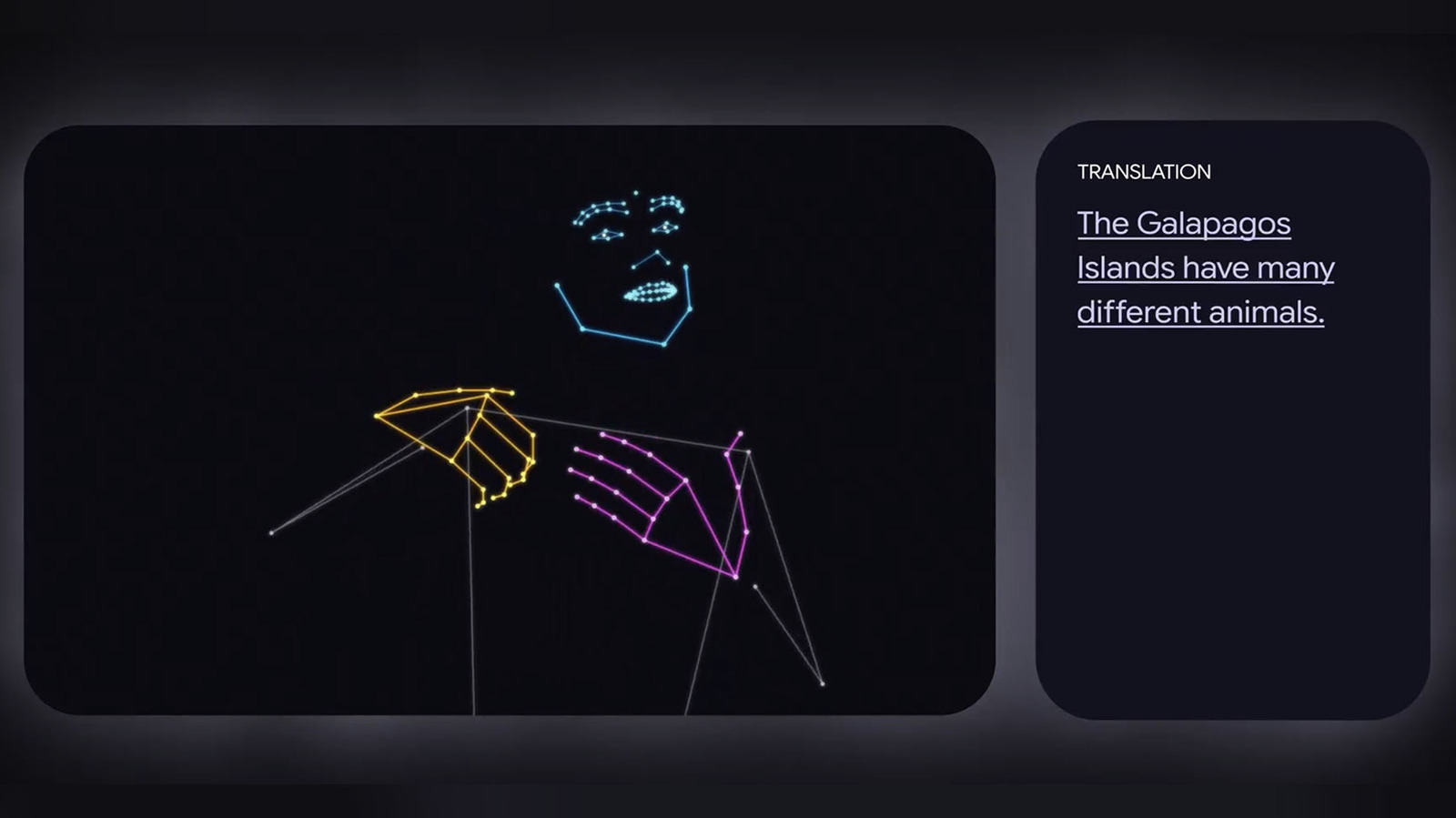
Another AI feature that's coming to all of the new Pixel phones is DeepMind's new sign-language-to-text model. Google has embedded the model into its Gboard keyboard and Live Transcribe, and it allows deaf and hard of hearing users to sign to their phone's camera instead of typing. At launch, it'll only support American Sign Language, but Google says more languages will be added over time. It's also planning to bring support to more devices soon.
Away from that accessibility feature, overall AI-wise, new Pixel phones can attempt to preempt your needs by providing relevant information from your apps and calendar automatically and as required, no need to ask first.
"Pixel 11 will offer timely, helpful information through easily glanceable cards in the apps you're already using," Google said. "So, for example, if a friend asks about a trip that's coming up, a card with your booking details will pop up along with details on if your flight is on time or delayed."
In the US only for now, Gemini Intelligence will be able to automatically order groceries or meals, book a rideshare, or handle other everyday tasks in the background of your phone, and the AI system can call businesses for you while a live transcript displays the conversation. Some of the new Gemini features may be tied to a Google AI subscription, which regularly starts at $4.99 a month. Google includes a six-month trial of Google AI Pro with every 11 Pro Fold, a plan which includes Google Health Premium, access to stronger models and 5TB of cloud storage. (Though maybe don't fill up that storage if you don't intend on paying Google $20 a month in perpetuity after the trial expires.)
If this sounds like a particularly sterile version of hell, here's our latest guide on how to turn off Gemini on Android phones. However, evading Gemini entirely is going to be increasingly difficult: Google Assistant is disappearing for good in September, to be fully replaced by Gemini.