HiLight isn't the only highlight.
Sam Rutherford for Engadget
Google's Pixel 11 series marks a shift in the company's smartphone strategy, with 128GB storage configurations gone entirely and starting prices rising across the board. The Pixel 11 starts at $899, while the Pixel 11 Pro comes in at $1,099 for the base model. That's a $200 gap that raises a simple but important question: What exactly does that extra money buy you?
Both phones run on the same Google Tensor G6 chip, launch with Android 17 and share a number of features. But the differences between them are meaningful, particularly for photography enthusiasts, video creators and power users who demand the best features. Here's what paying extra can get you in Google's new Pixel 11 era.
Display
The two phones may look the same from a distance, but up close you'll see clear differences. Both phones have a 6.3-inch display, but that's where the similarities end. The Pixel 11's Actua OLED display delivers a resolution of 1,080 x 2,424 at 422 PPI, with a variable refresh rate of 60-120Hz and a peak brightness of 3,000 nits. The Pixel 11 Pro steps up to a Super Actua display with a sharper 1,280 x 2,856 LTPO OLED panel at 495 PPI. The refresh rate is also more refined at 1-120Hz, meaning it can drop much lower to conserve battery, and peak brightness also climbs to 3,600 nits. While both models have Corning Gorilla Glass Victus 2 cover glass, the Pro model comes with an additional anti-scratch shield that might come in handy if you have noodles instead of arms like yours truly.
The bottom line is that if you spend a lot of time outdoors or frequently view HDR content, the Pro's display offers a sharper, brighter and more durable screen.
Design
Sam Rutherford for Engadget
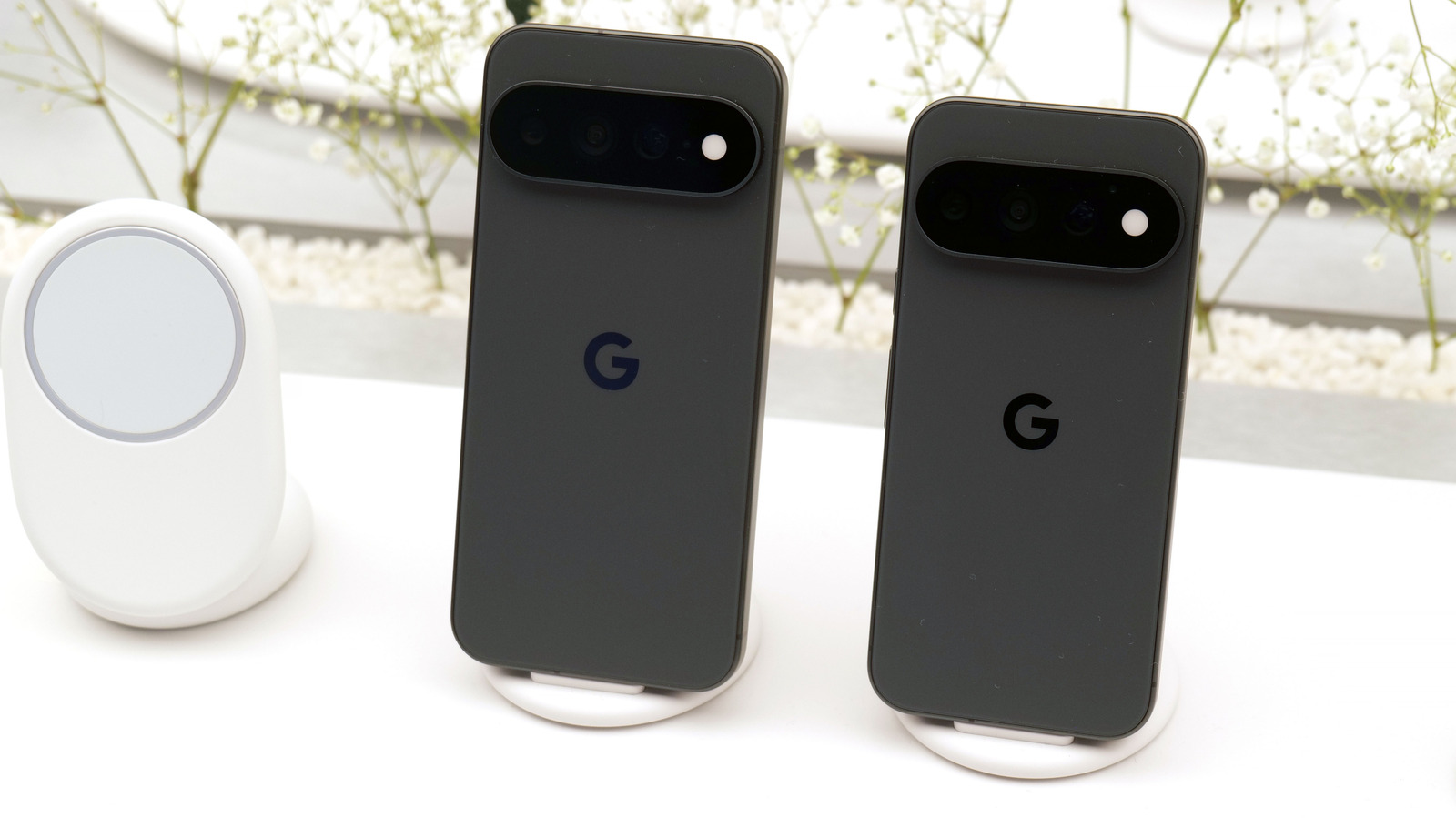
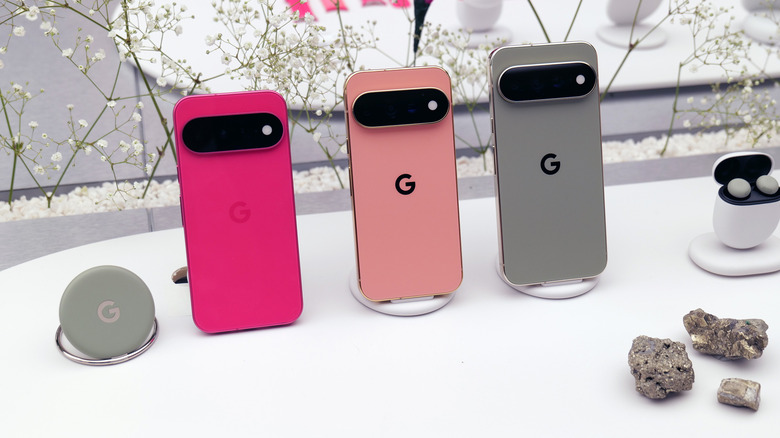
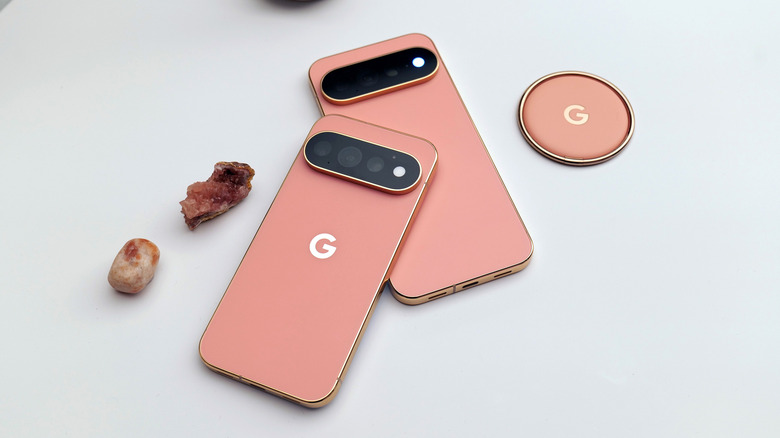
The Pixel 11 series truthfully looks very similar to last year's models. There are some key differences in colors and finishes — the Pixel 11's aluminum frame has a satin finish, while the Pro's is polished — but the main feature gap boils down to HiLight.
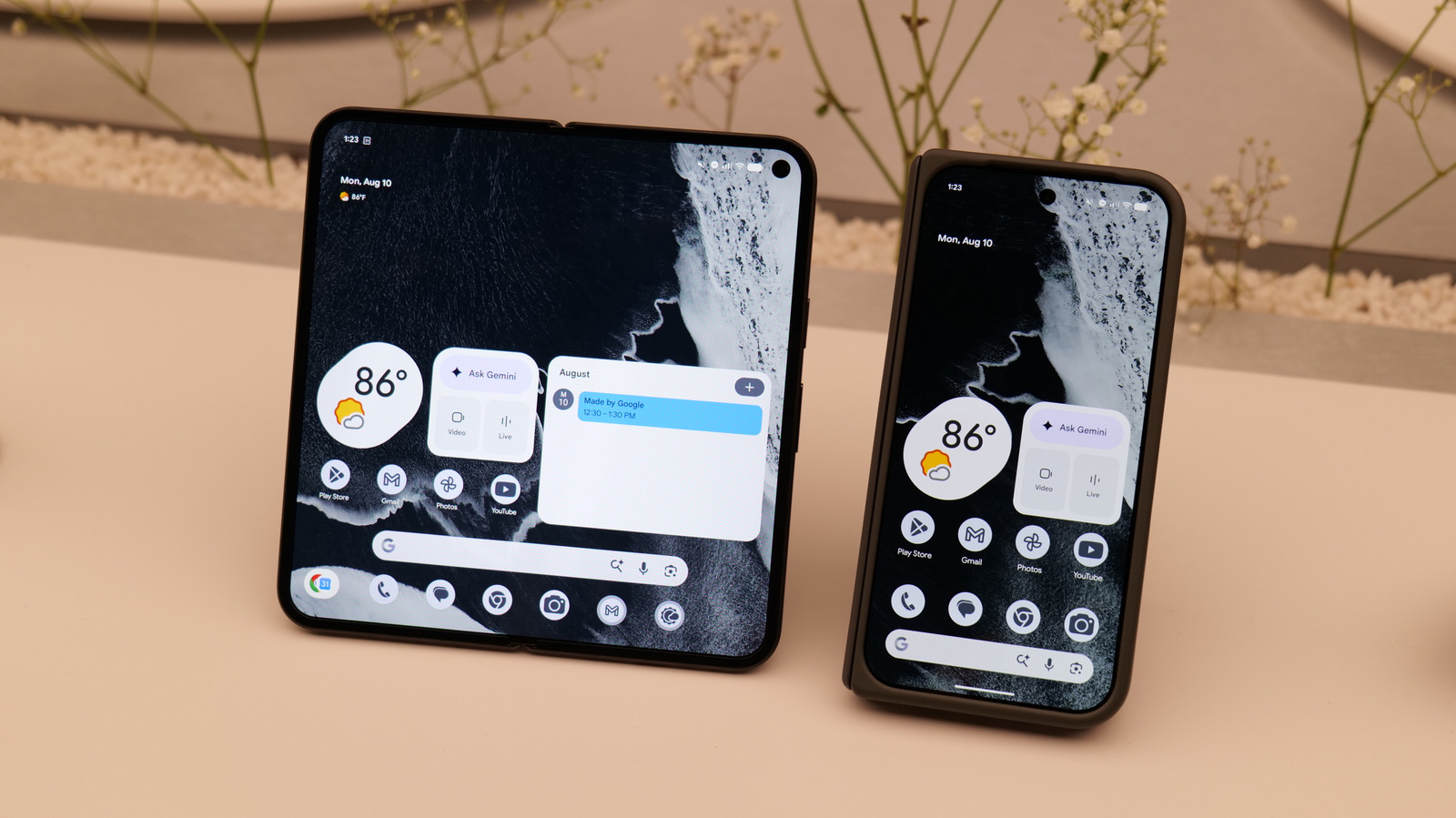
Remember when almost every phone had a little notification light that would flash when you had a message or your battery was low? Google is bringing it back. HiLight is a cross between that concept and the more modern interpretations like the Nothing glyph bar. It's an array of ambient LED lights around the camera flash that can, say, let you know someone important is calling without cancelling do not disturb, or pulse when Gemini is listening to you. It's probably the most outwardly interesting feature from this batch of Pixel devices, and it's exclusive to the 11 Pro, the Pro XL and the Pro Fold.
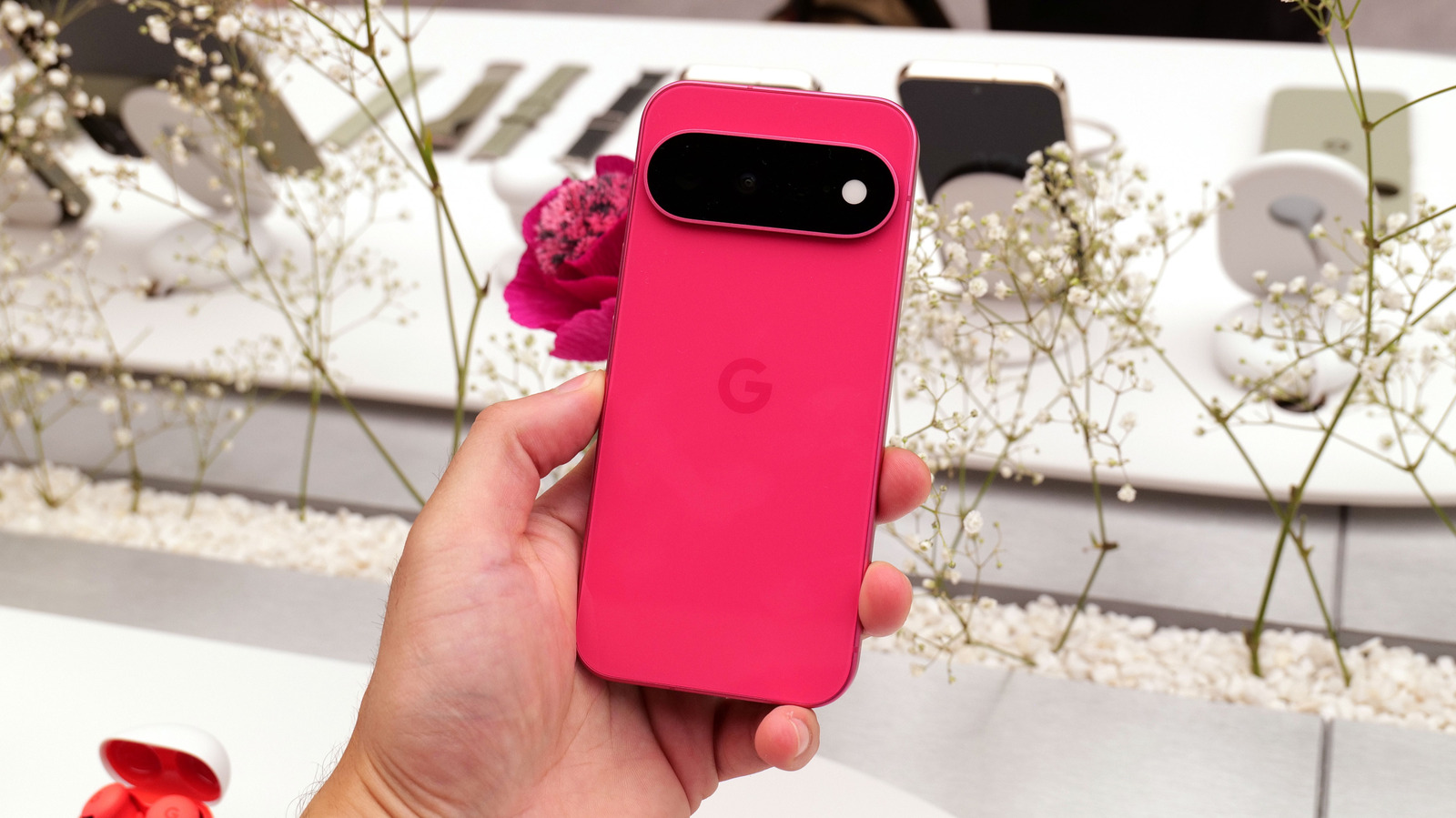
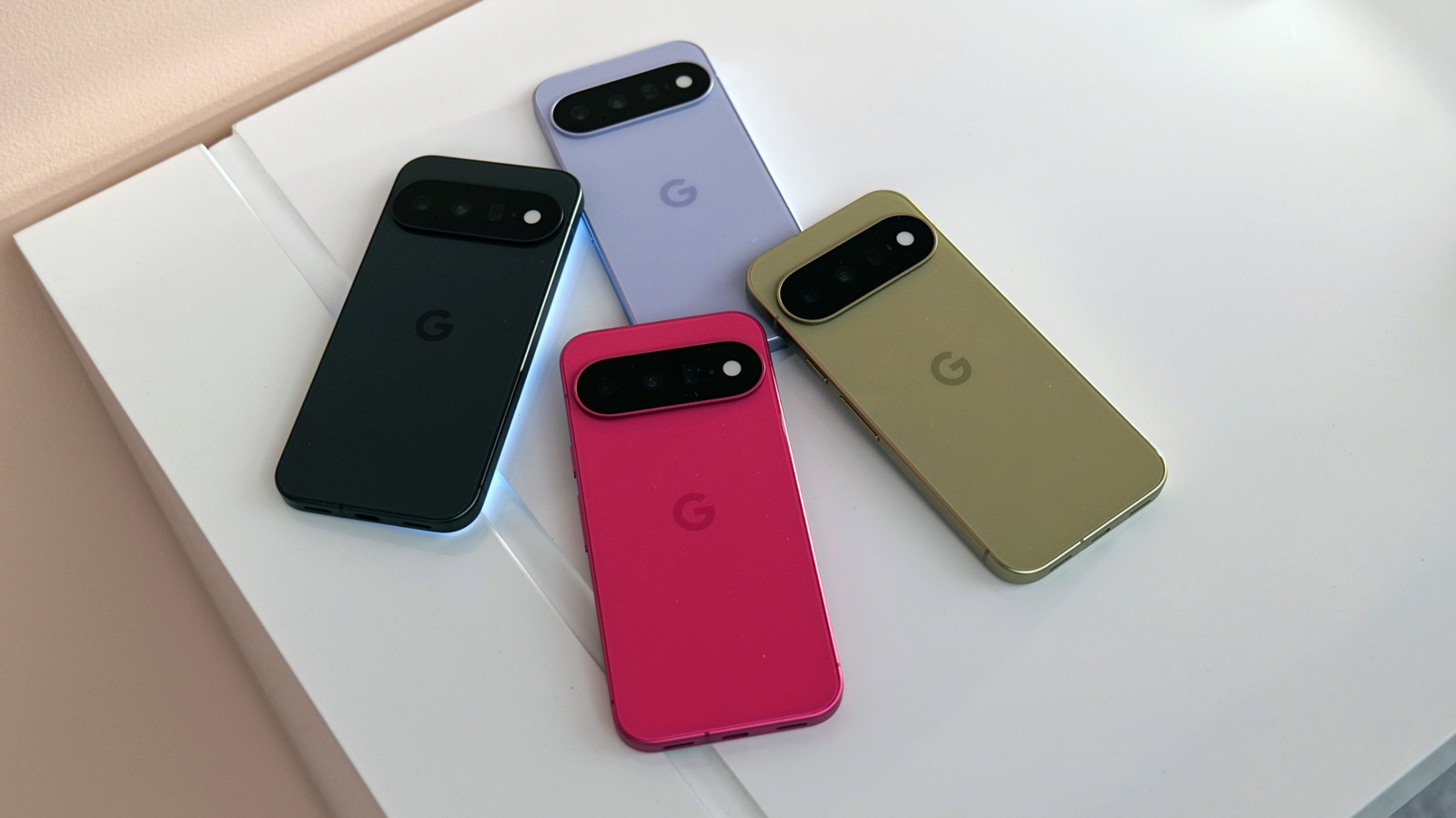
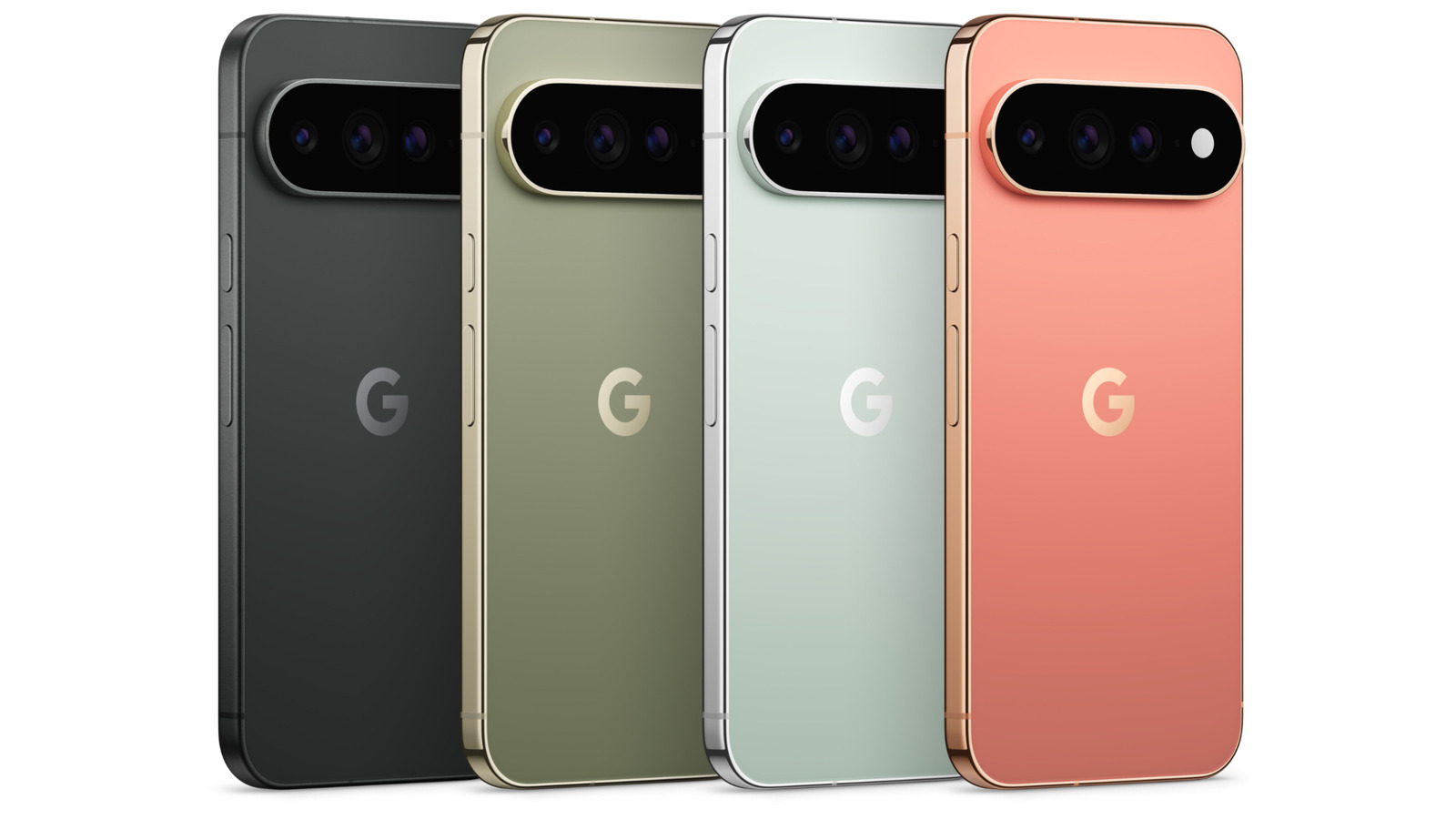
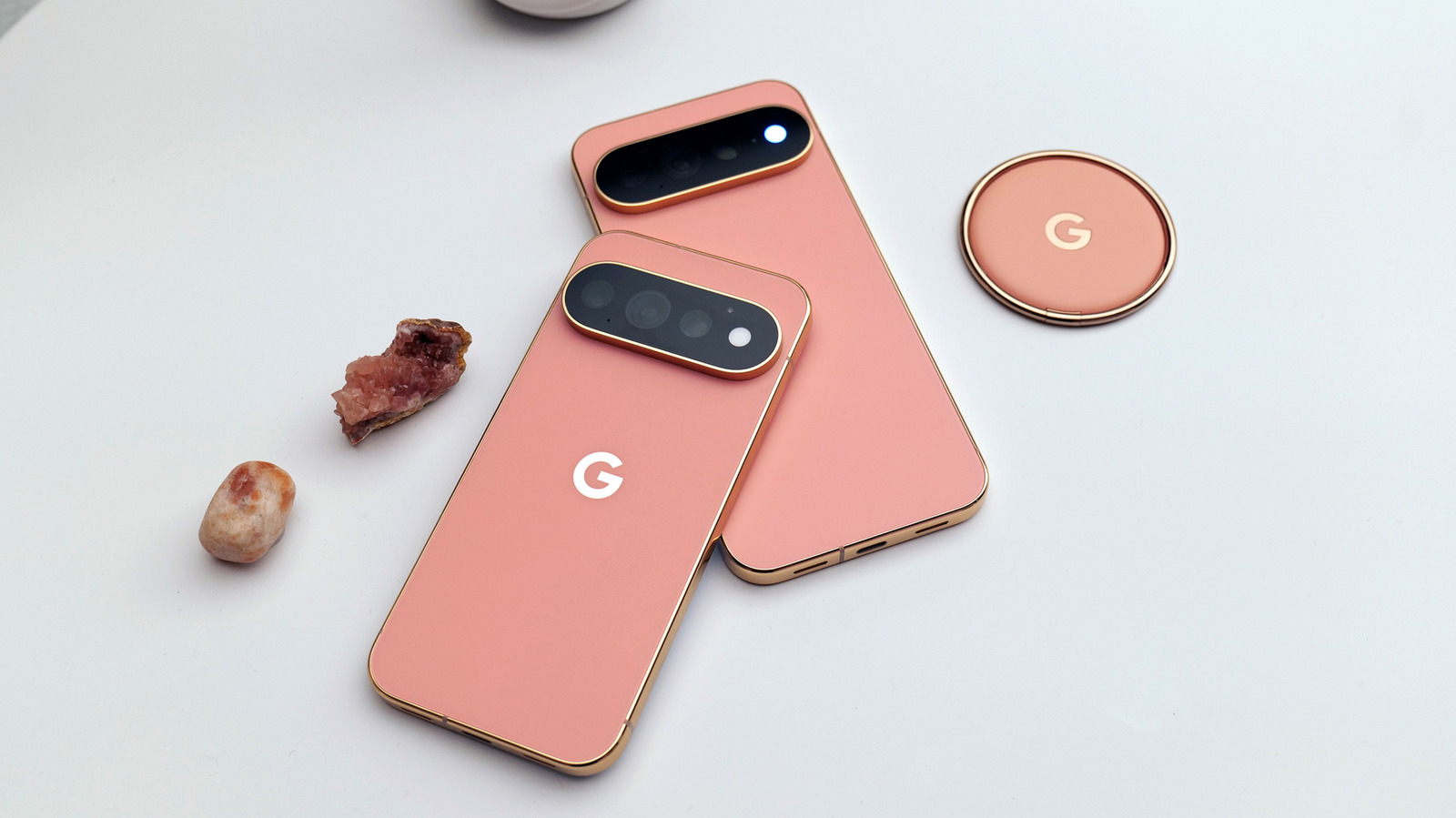
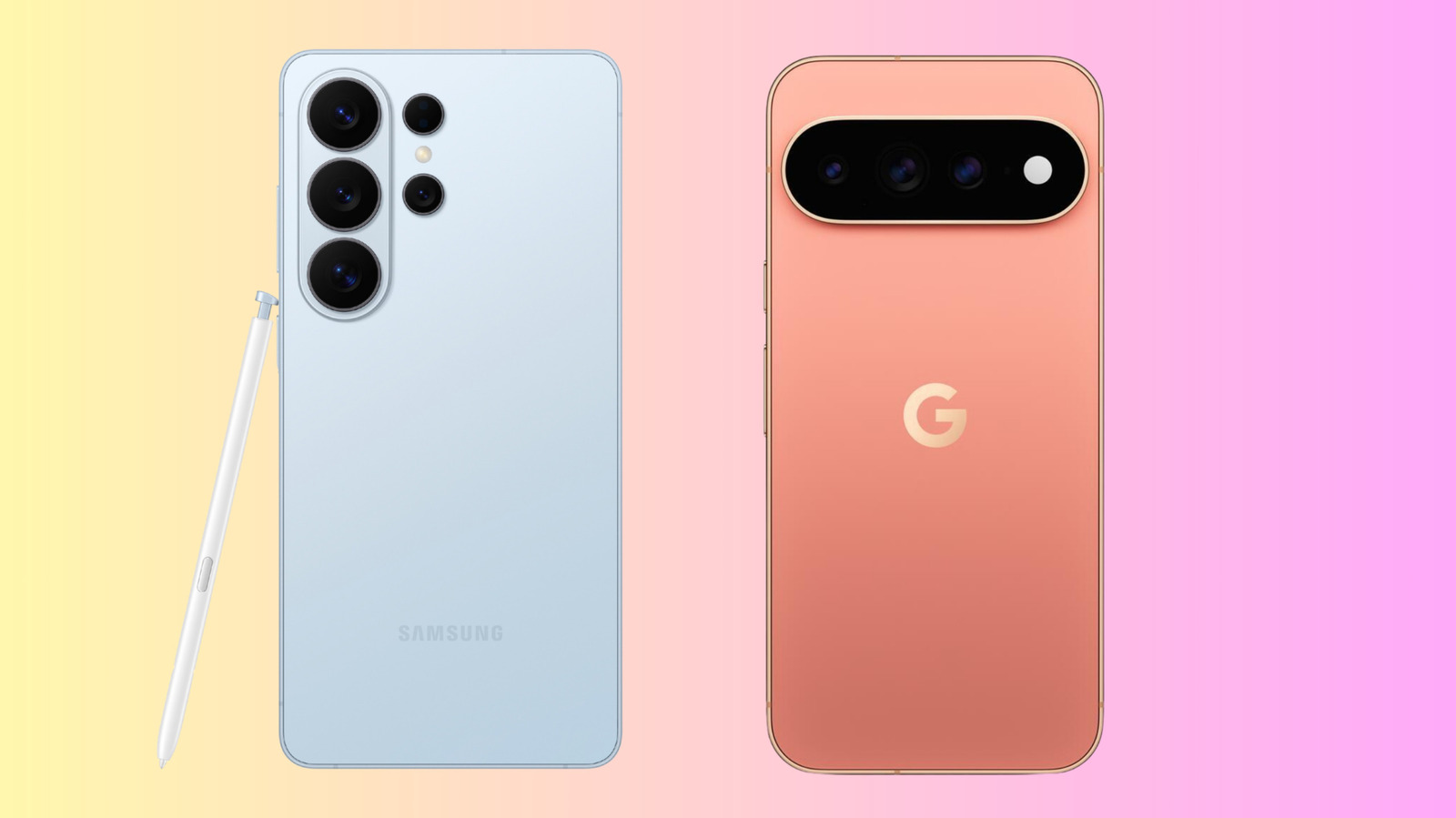
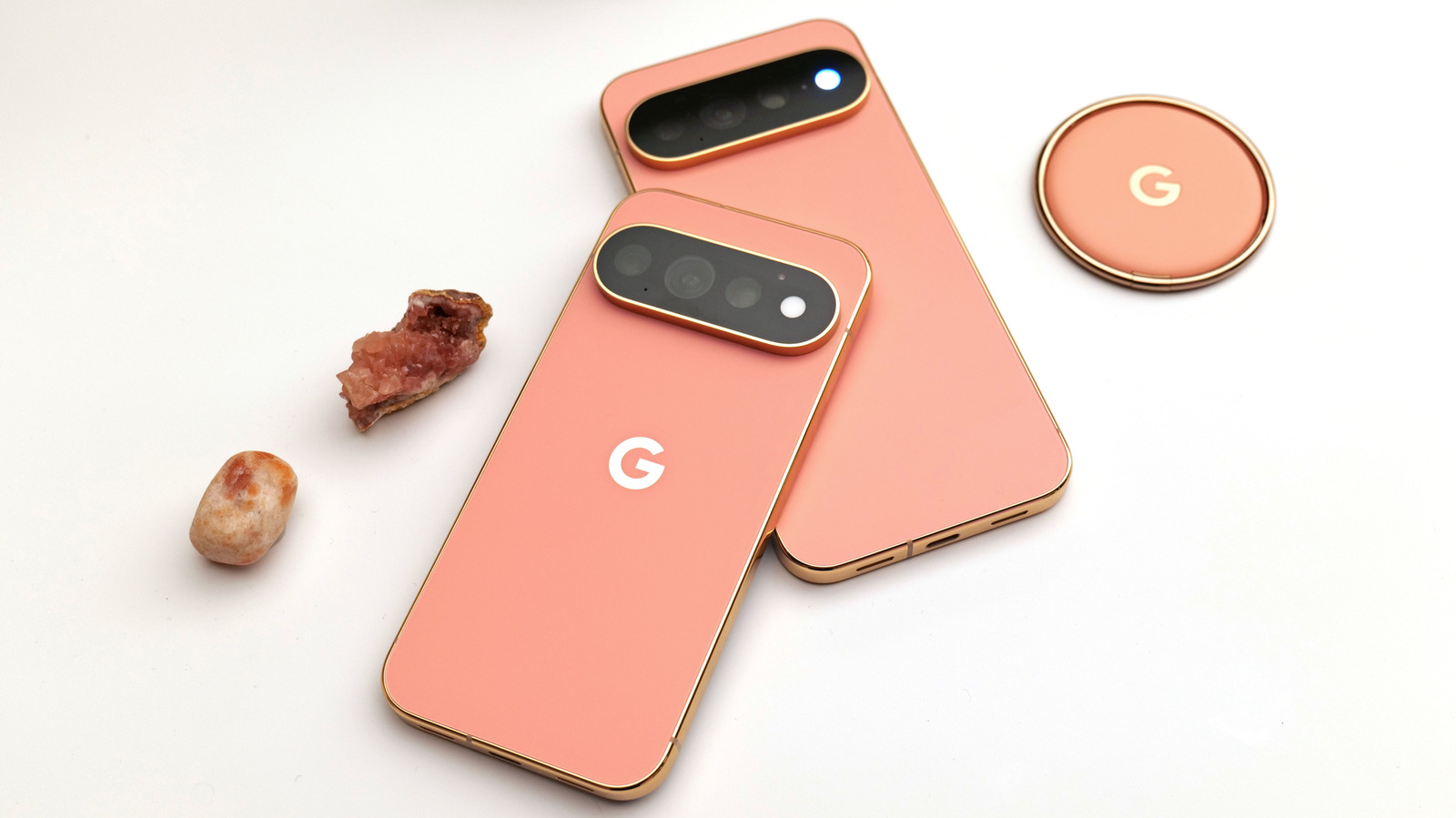
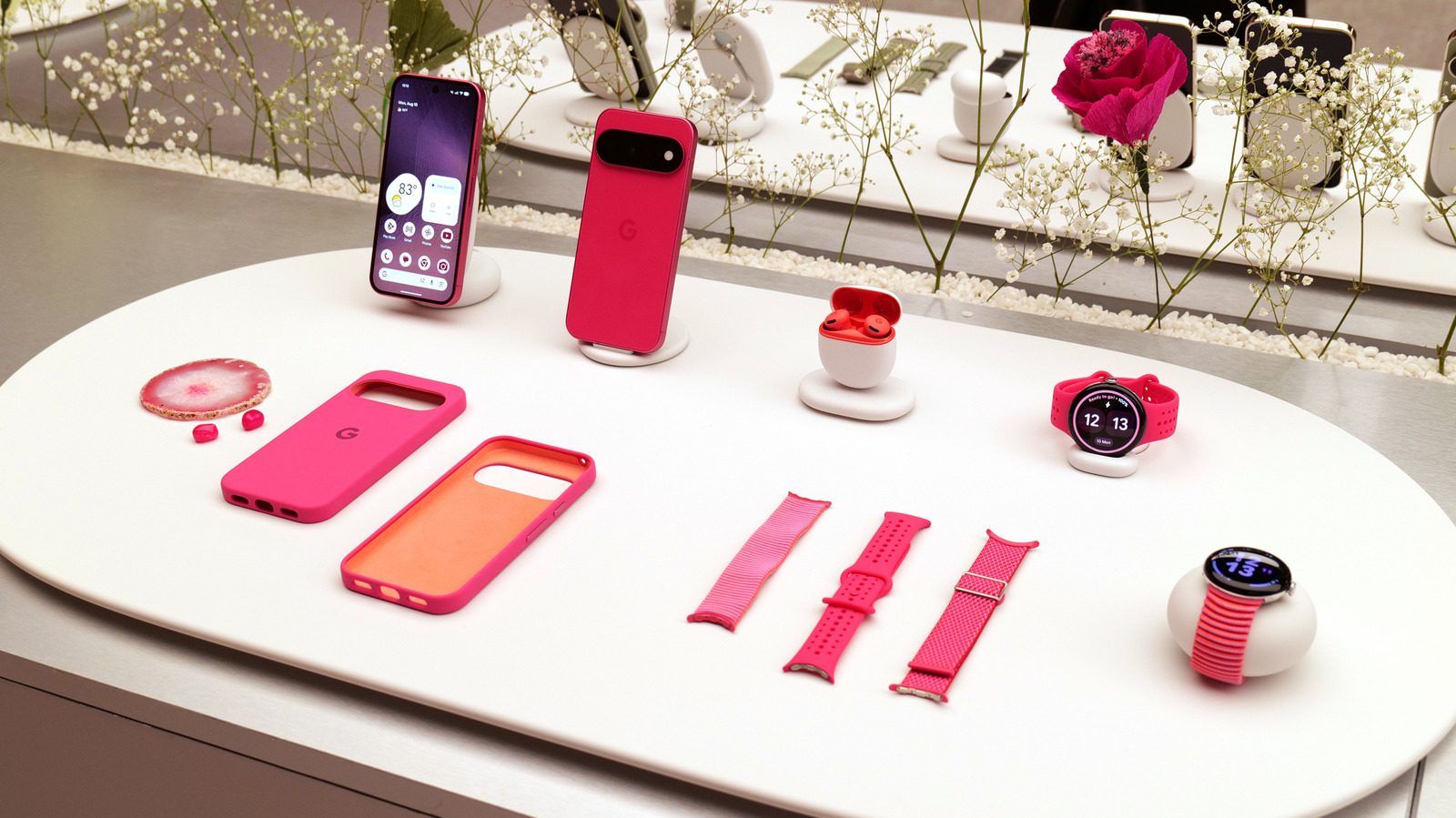
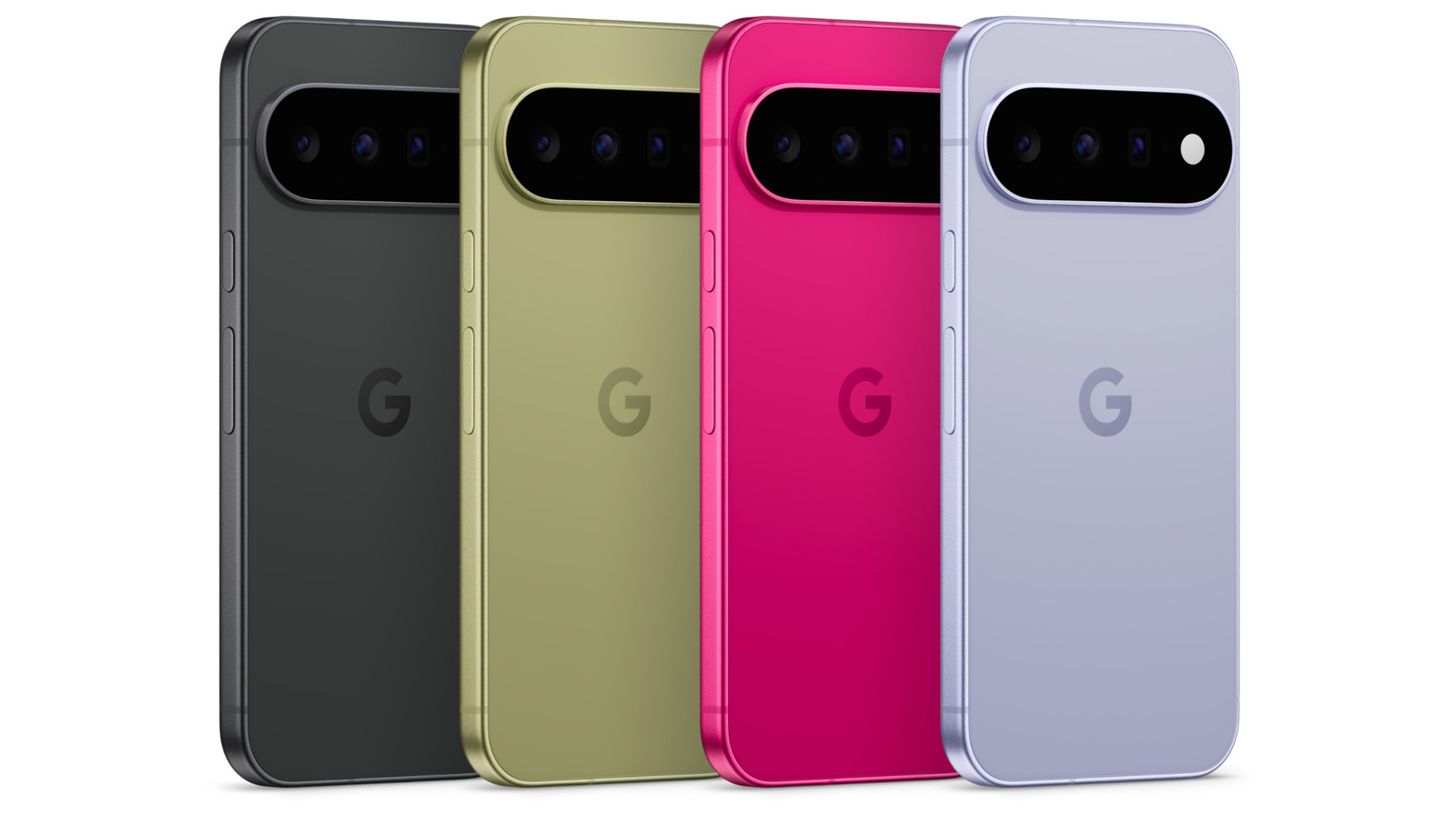
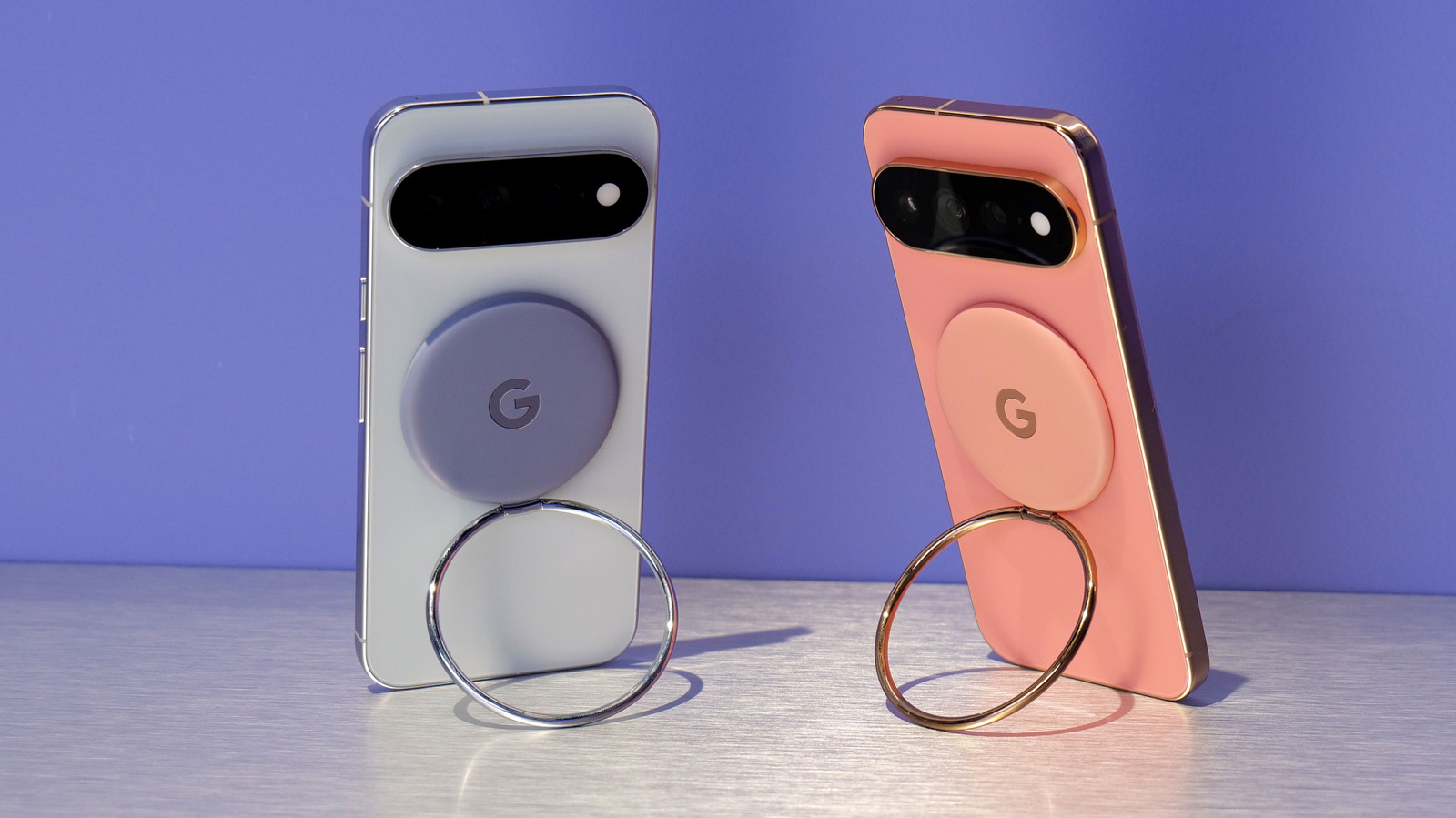
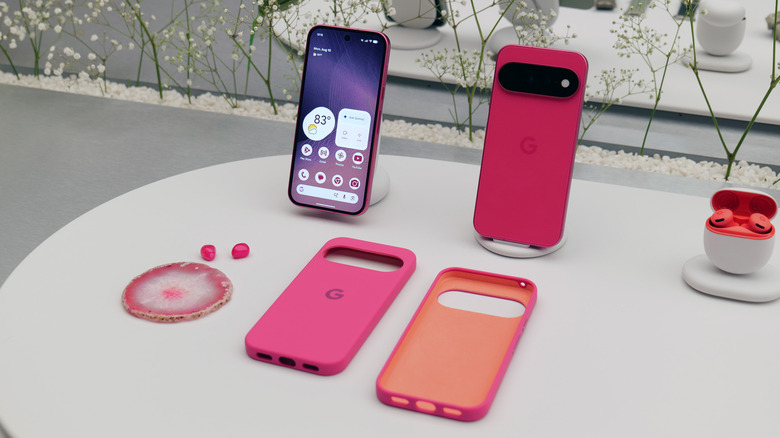
Funky LEDs aside, the two models look almost identical when decked out in Google's off-black Obsidian. Away from that blackish option, the Pro offers up an off-white, a barely green and a (slightly unwell?) salmon for color options. The base 11 has a bolder set of colors, with a pastel pea green, a lavender and an unreasonably hot pink.
Memory and storage
This is where Google has made a massive change for the entire Pixel 11 series: the 128GB option is gone. Both phones now start at 256GB. There are only two options for the Pixel 11, namely 256GB and 512GB, while the Pro also offers a 1TB model. Both phones have 12GB RAM as standard, although the 1TB model of the Pro has 16GB RAM. (That's a downgrade on last year's Pro offering, which was 16GB across the board.)
Camera system
Sam Rutherford for Engadget
Photography is where the two phones diverge most significantly and it's arguably the biggest reason to consider the Pro.
Pixel 11 rear cameras:
-
Wide: 48 MP (ƒ/1.70, 1/1.56" sensor)
-
Ultrawide: 13 MP (ƒ/2.2, 1/3.1" sensor)
-
Telephoto: 10.8 MP, 5x optical zoom (ƒ/3.1, 1/3.2" sensor)
-
Max zoom: 30x Super Zoom
-
Selfie camera: 10.5 MP
Pixel 11 Pro cameras:
-
Wide: 50 MP (ƒ/1.68, 1/1.3" sensor)
-
Ultrawide: 48 MP with autofocus (ƒ/1.7, 1/2.51" sensor)
-
Telephoto: 48 MP, 5x optical zoom (ƒ/2.8, 1/1.95" sensor)
-
Max zoom: 120x Pro Zoom
-
Selfie camera: 42 MP
The sensor size differences are substantial. The Pro's wide camera uses a 1/1.3-inch sensor compared to the 11's 1/1.56-inch, which pulls in more light and should deliver finer detail. The ultrawide jumps from 13MP to 48MP, a massive resolution bump that will make landscape and architectural shots pop. The Pro's telephoto sensor is also much larger than the regular model, and supports a redesigned (AI-powered) 120x Pro Zoom versus the standard model's 30x Super Zoom.
The Pro also includes Instant Night Sight, which delivers up to 4.5x faster low-light photo capture compared to the standard Night Sight on the Pixel 11. We'll have to thoroughly test Instant Night Sight to judge the differences, but it should be a massive advantage for anyone shooting in low-light environments regularly.
There are loads more features the Pixel 11 Pro has over the standard model. With Pro controls and High-Res mode, the camera will shoot at the full 50MP resolution with manual control over settings, which is unavailable on the Pixel 11. The High-Res Portrait Mode also offers up to 50MP photos with appropriately blurry backgrounds.
There are similar gaps when it comes to video capabilities. Both models are capable of 4K video at up to 60 fps, but the Pro has the ability to digitally upscale that to 8K/30. There are similar software differences across the board, with the Pro offering a suite of advanced features like digital stabilization.
Google has a great track record when it comes to computational photography, but we'll have full reviews looking at both camera suites thoroughly very soon with full verdicts on how successful the 11 and 11 Pro are.
Connectivity
Another notable difference between the two new phones from Google comes in the connectivity department. The Pixel 11 Pro supports Wi-Fi 7, which delivers faster speeds and lower latency compared to the Pixel 11's Wi-Fi 6E. It also includes an ultra-wideband chip for accurate spatial orientation and precise device ranging. These are meaningful upgrades for tech-forward users but less critical for casual everyday use.
AI and software
Both phones will have Android 17, the latest version of Google's mobile OS, which arrived earlier this year and is already available for the previous generation of Pixels. New features for the Pixel 11 series include Gemini Intelligence with proactive notifications, Magic Capture, and Circle to Search in camera. While they offer similar features, only the 11 Pro includes a six-month trial of the Google AI Pro plan, which comes with Google Health Premium, access to stronger models, cloud storage and other features.
So, which one should you buy?
Both phones are shaping up to be excellent flagship devices. They share the same processor, the same 30+ hour battery life, the same IP68 durability rating and the same starting storage of 256GB. The $200 price gap between the Pixel 11 and Pixel 11 Pro is wide enough to give pause, but not so large that the two phones are in totally different price brackets.
The Pixel 11 is targeting buyers who want a premium Android experience at a more accessible price point. The Pixel 11 Pro makes photography a top priority, and also has, on paper, improved displays and superior Wi-Fi connectivity. And both models are stuffed to the gills with Gemini AI features that may or may not excite you.
As with any new product, it's best to wait until we've had time to fully put the new models through their paces and publish our reviews.