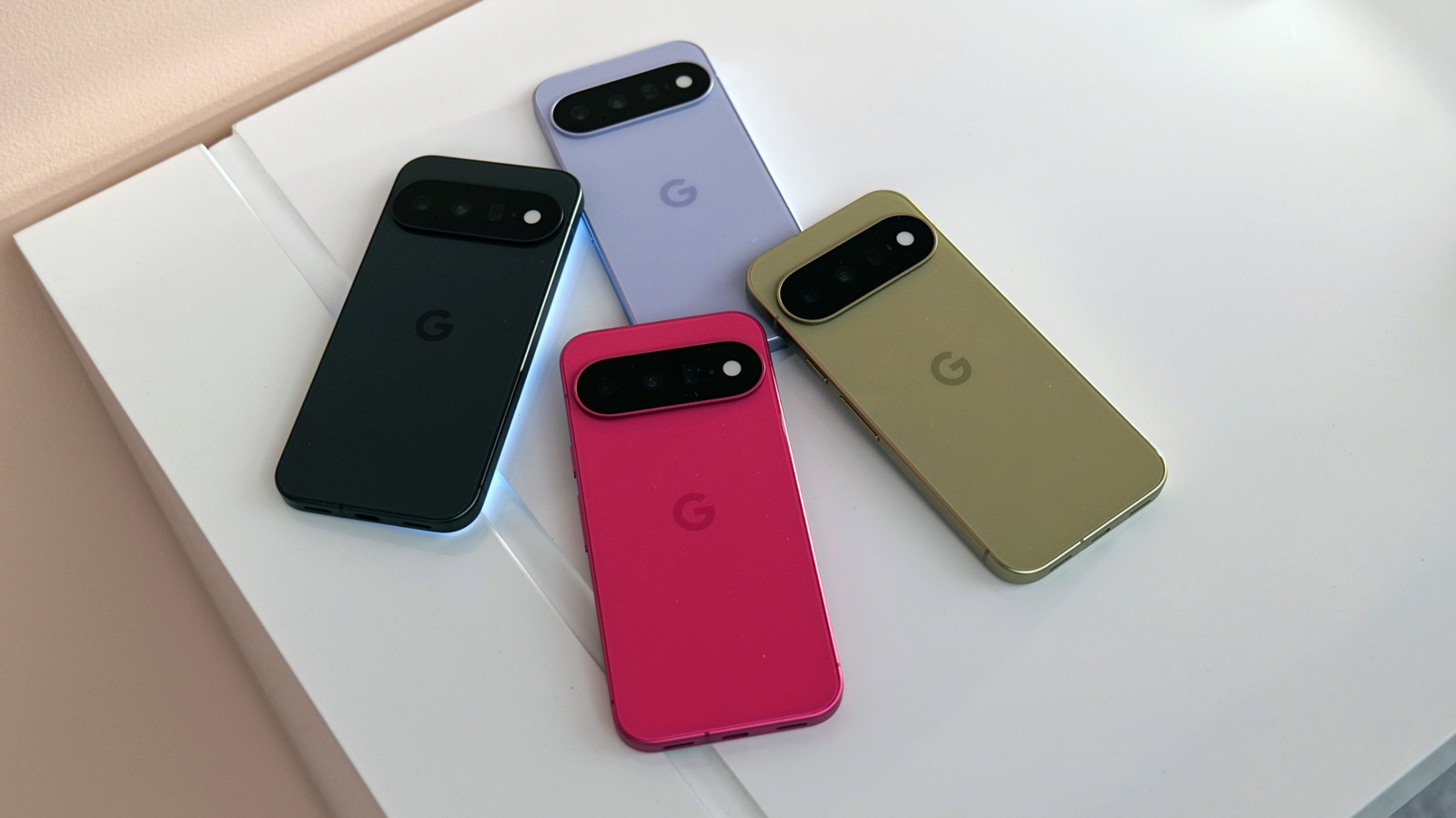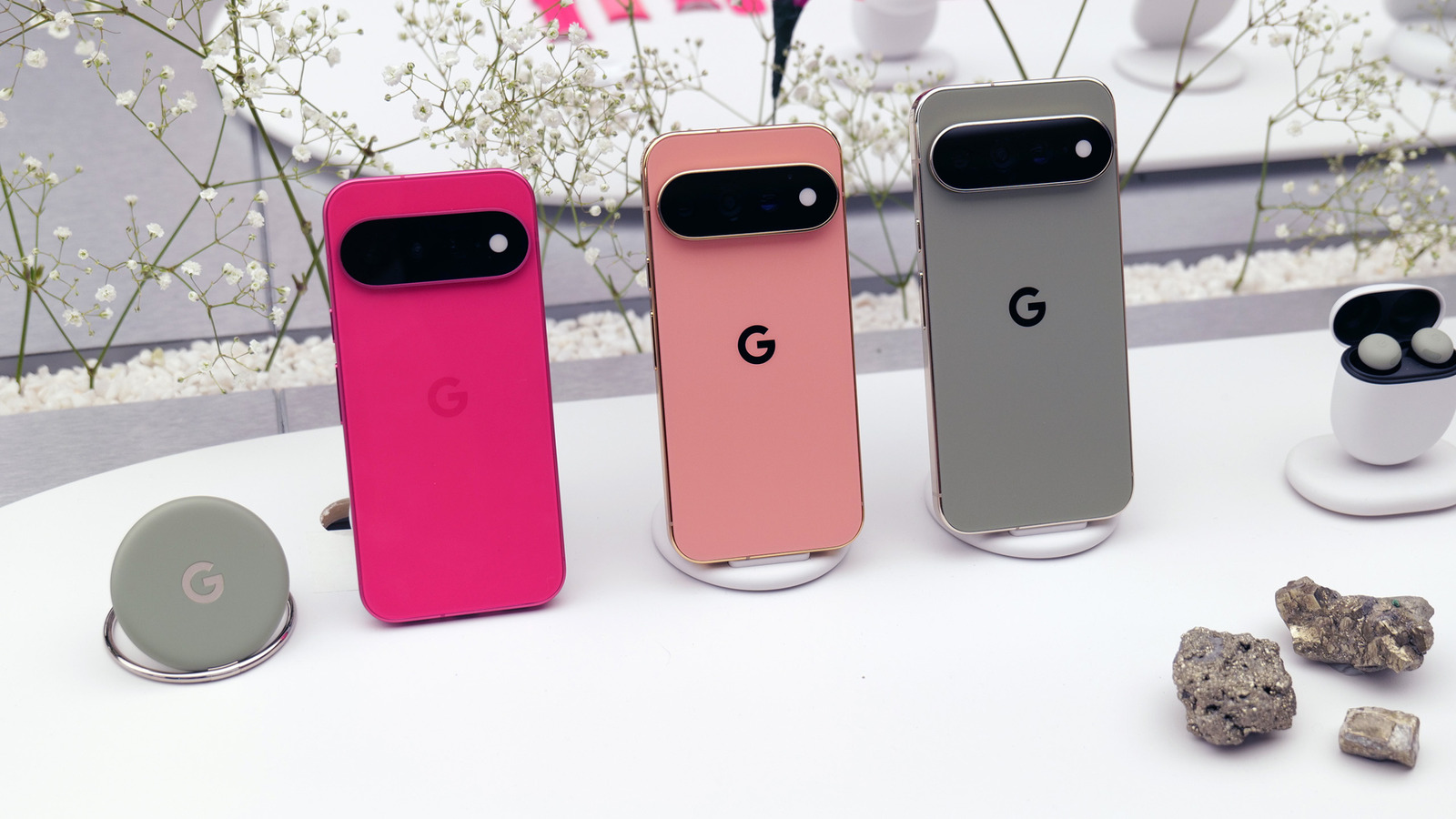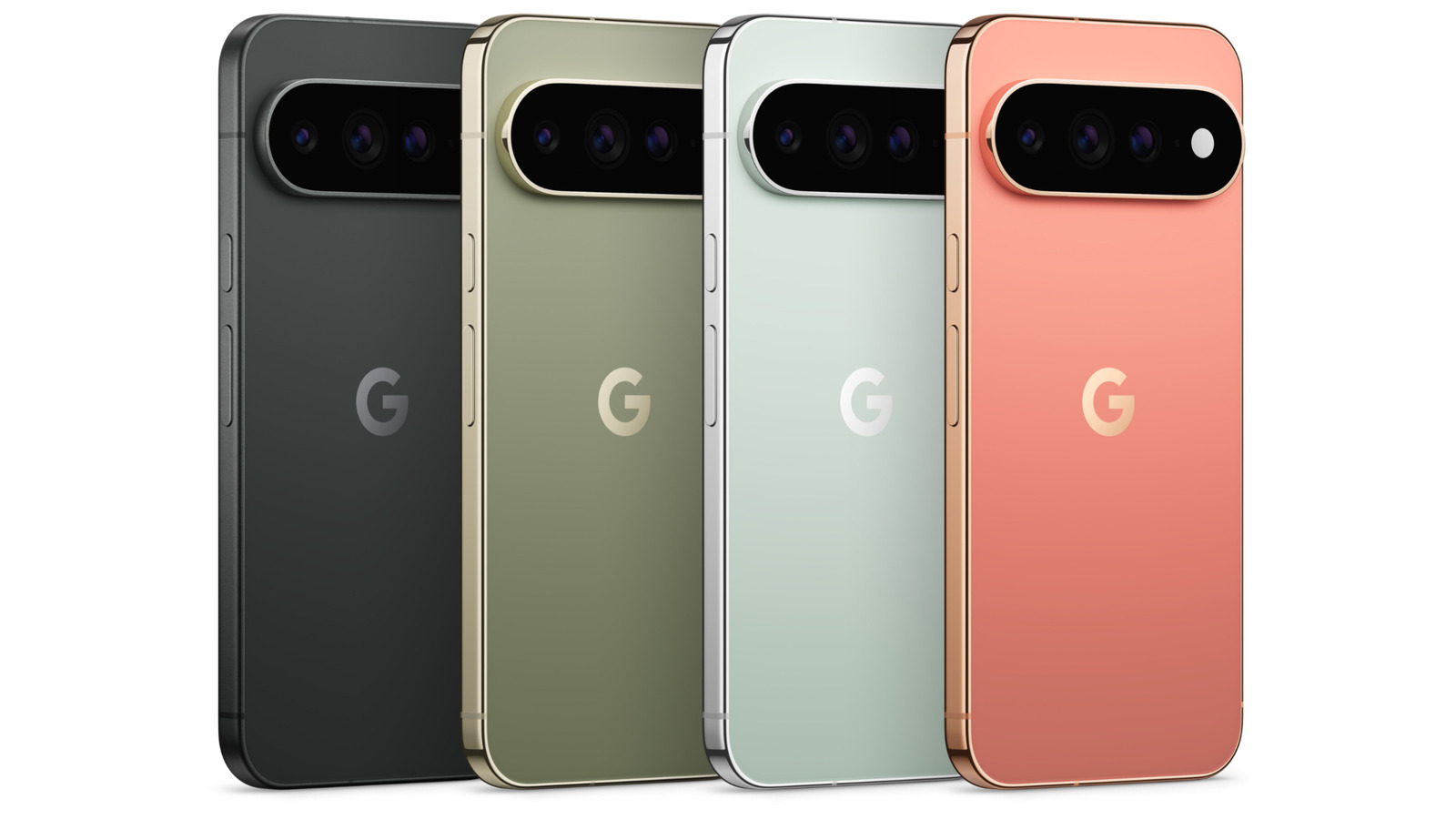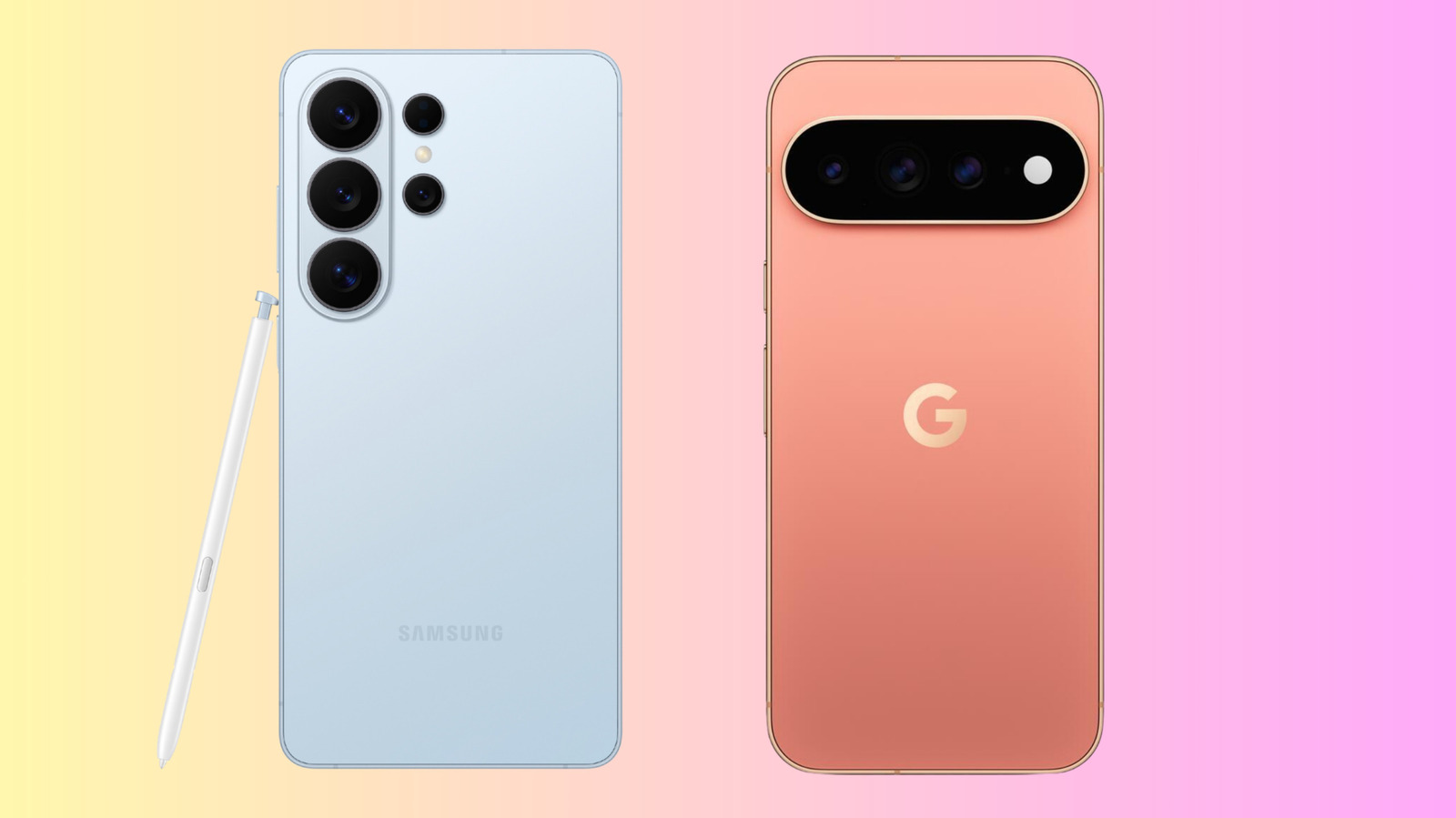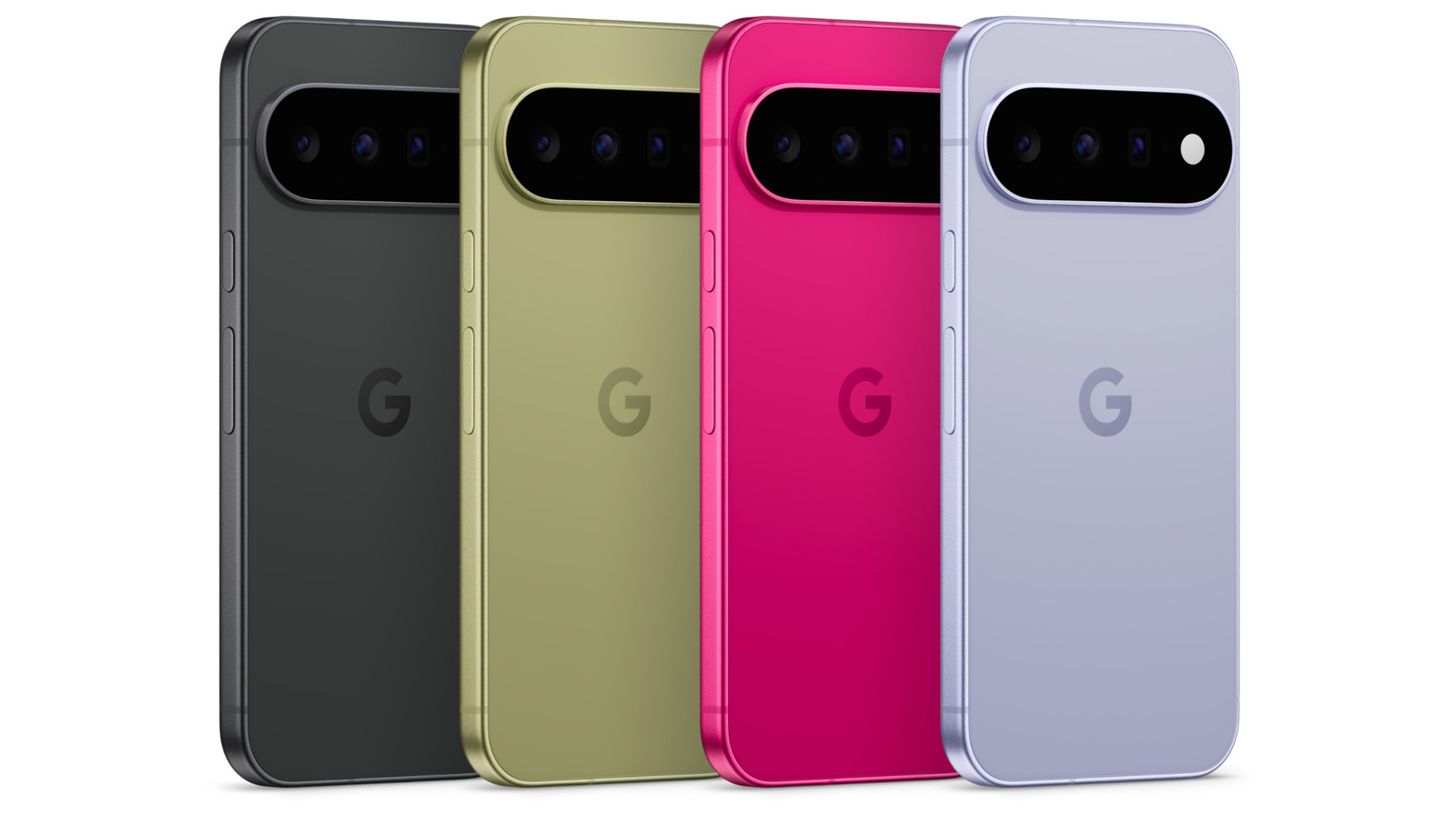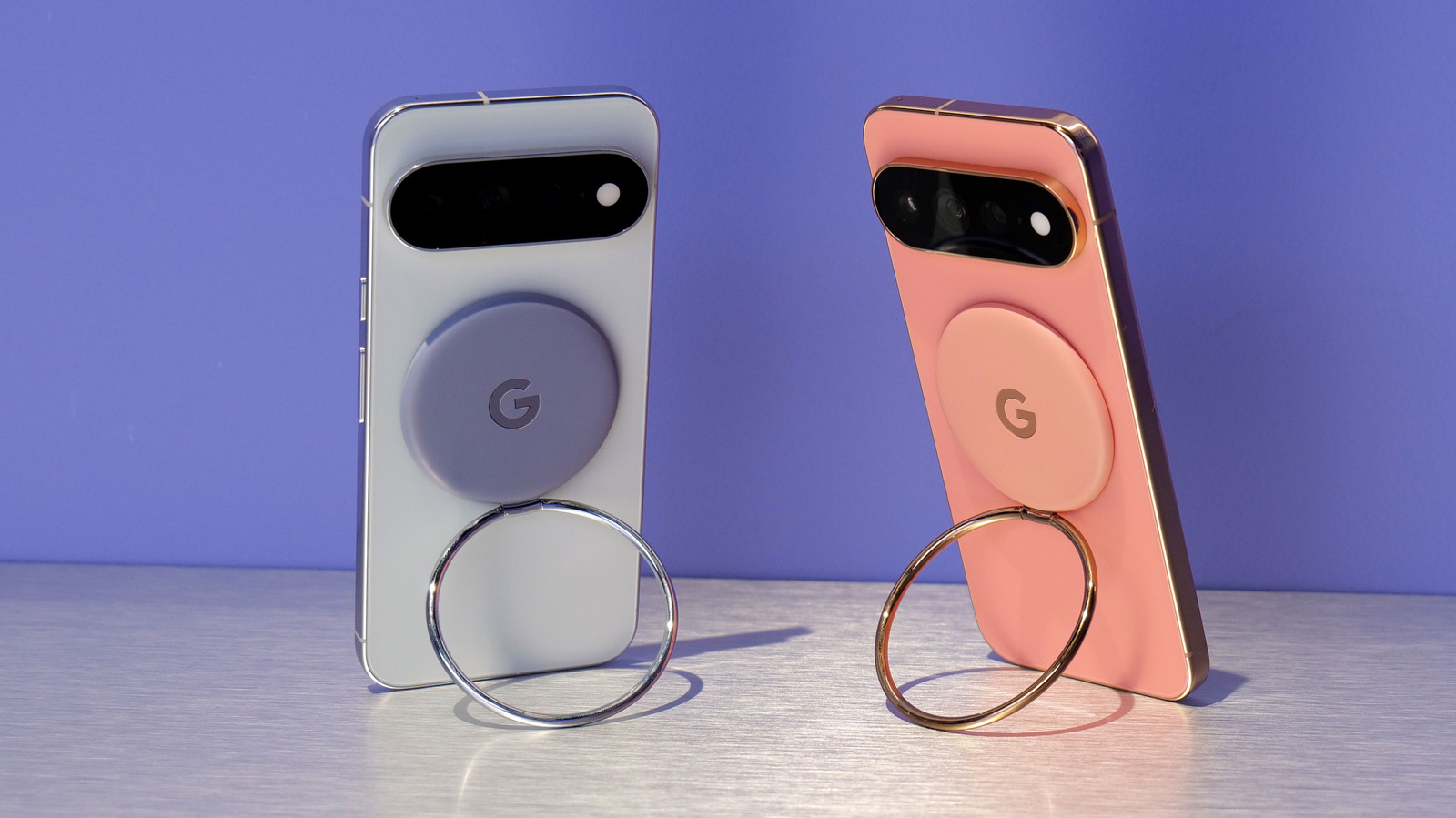
The Pixel 11 phones and Pixel Watch 5 are more expensive than last year's models.
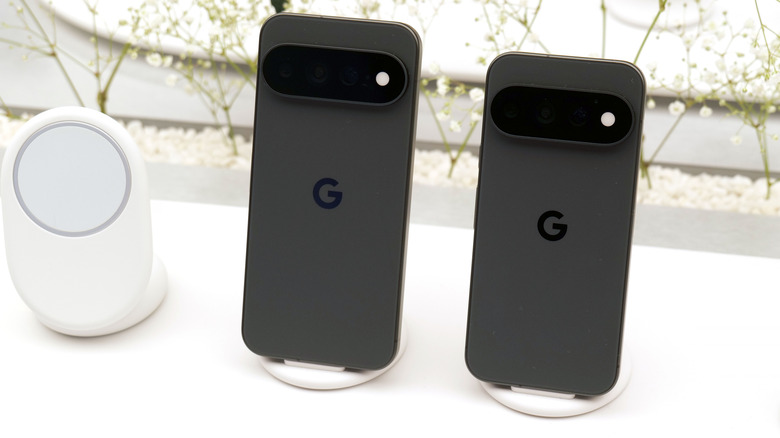
Sam Rutherford for Engadget
Inevitably, due to soaring prices of components like RAM and storage, Google's smartphones are more expensive this year. The Pixel 11 phones that were just introduced today all start at $100 more than the equivalent Pixel 10 devices. The Pixel Watch 5 costs $50 more than the last model too.
The new devices start at:
- Pixel 11: $899
- Pixel 11 Pro: $1,099
- Pixel 11 Pro XL: $1,299
- Pixel 11 Pro Fold: $1,899
- Pixel Watch 5: $399
Aside from upgrades like a new chipset, brighter displays and wider cameras, there are some trade-offs to note. The Pixel 11 and Pixel 11 Pro start with 256GB of storage, double that of the previous gen, which makes them more or less similar in price to last year. Meanwhile, the new Pro XL, Pro Fold and their predecessors all start with that much space for your stuff.
On the other hand, Google has actually reduced the amount of RAM in the base versions of the Pixel 11 Pro and Pro XL. Those have 12GB of RAM, compared with 16GB of RAM in the equivalent 9- and 10-series devices. You can opt for a more expensive version with 16GB of RAM if you wish.
You may not notice the difference too much if you typically use your phone for less resource-intensive tasks like messaging, browsing the web and streaming video. But if you're editing video or playing games, maybe you'll feel the pinch of having less RAM.
A Google spokesperson told Engadget that:
The tech industry is navigating a severe, supplier-driven RAM shortage and we will need to adjust Pixel 11 pricing and RAM configurations to mitigate this while delivering maximum value for our customers.
That said, we are aggressively engineering our way through these challenges. Pixel's full stack approach allows us to optimize the way on-device models load and execute, keeping our hardware lean, fast, and highly responsive.
In fact, through software and silicon optimization, you can expect faster and smoother performance from this year's Pro models when compared to last year's comparable 256GB SSD SKUs.
If Google can deliver improved performance even with less RAM, reducing the amount of memory in the new Pro models makes sense, as it could help keep the price increases relatively reasonable.
Bear in mind, Google is a major player in the field of generative AI. A key reason that RAM, storage and chips are far more expensive than they were a year ago is that AI companies are buying up as much of those components as they can to build out their data centers. So, despite its efforts to reduce the memory demands of large language models, Google is hardly blameless in the RAM crisis.