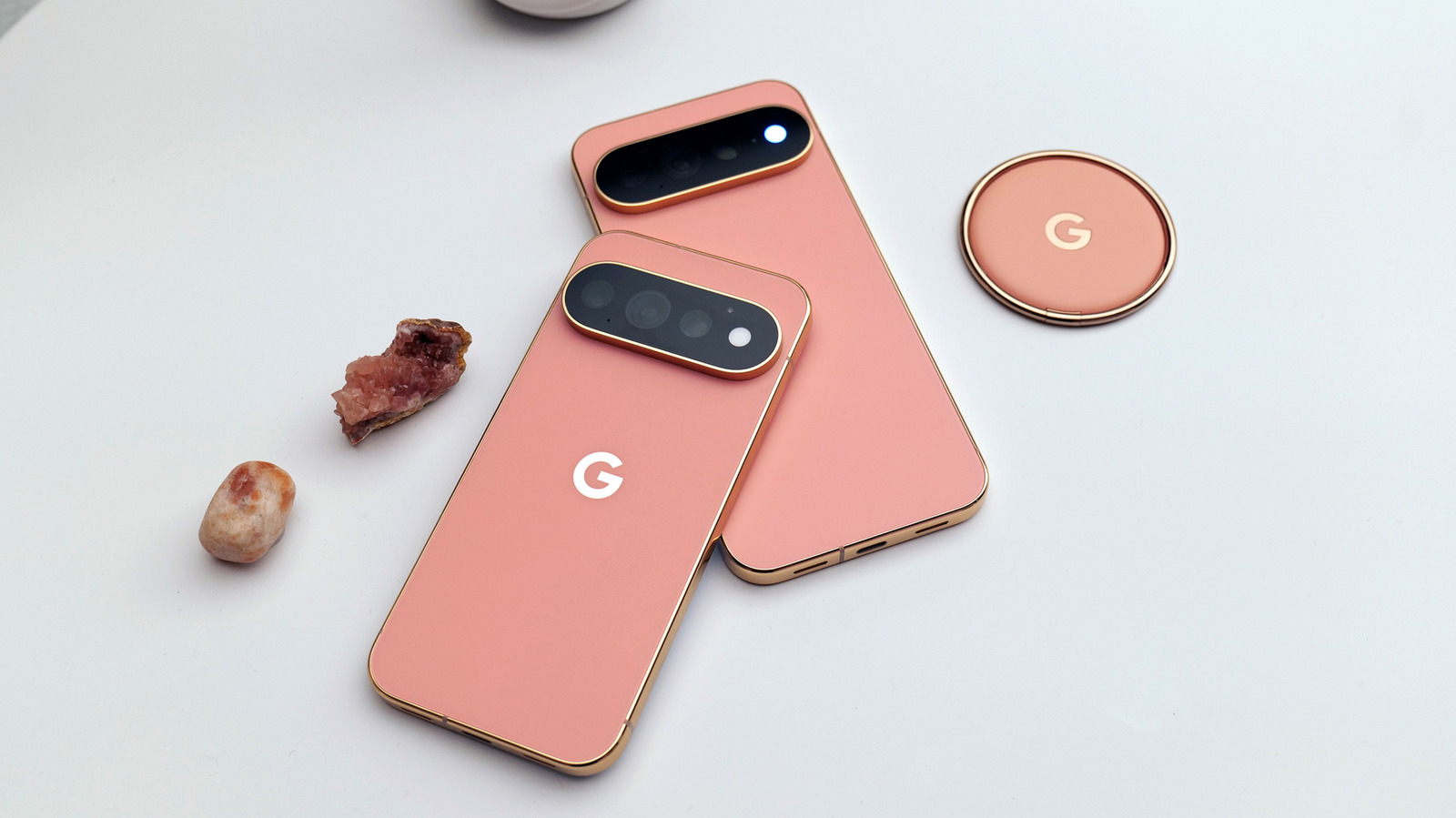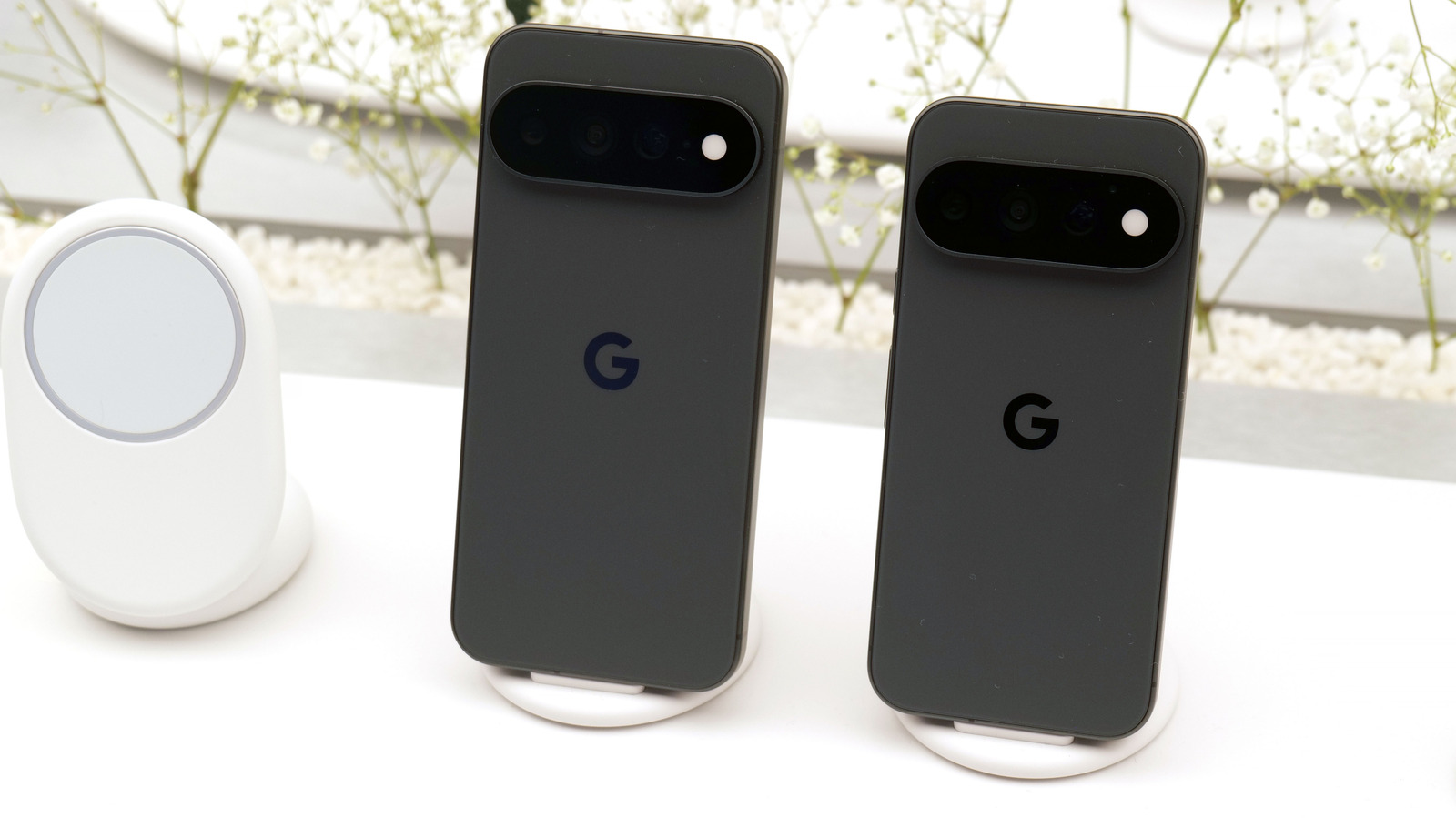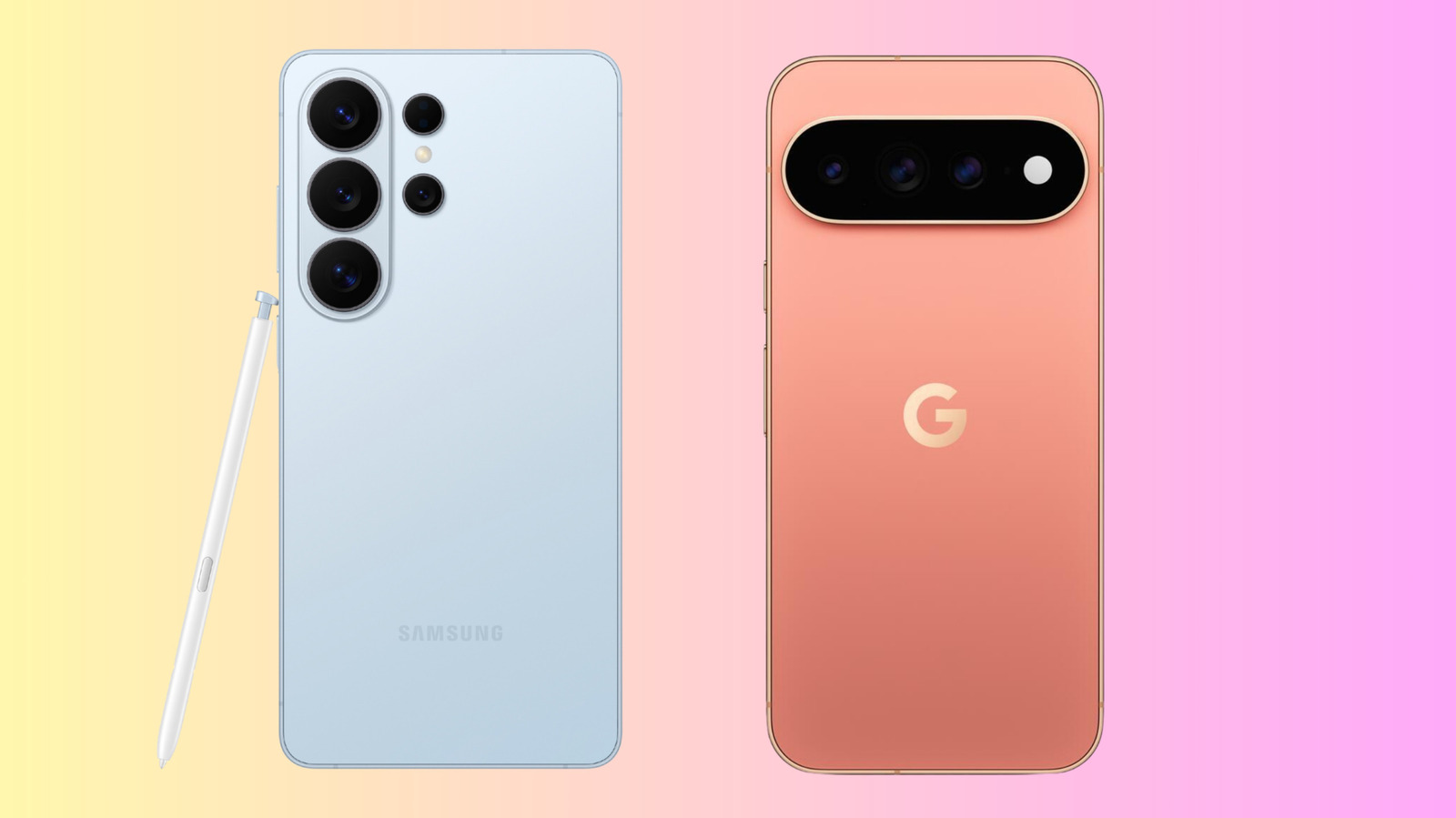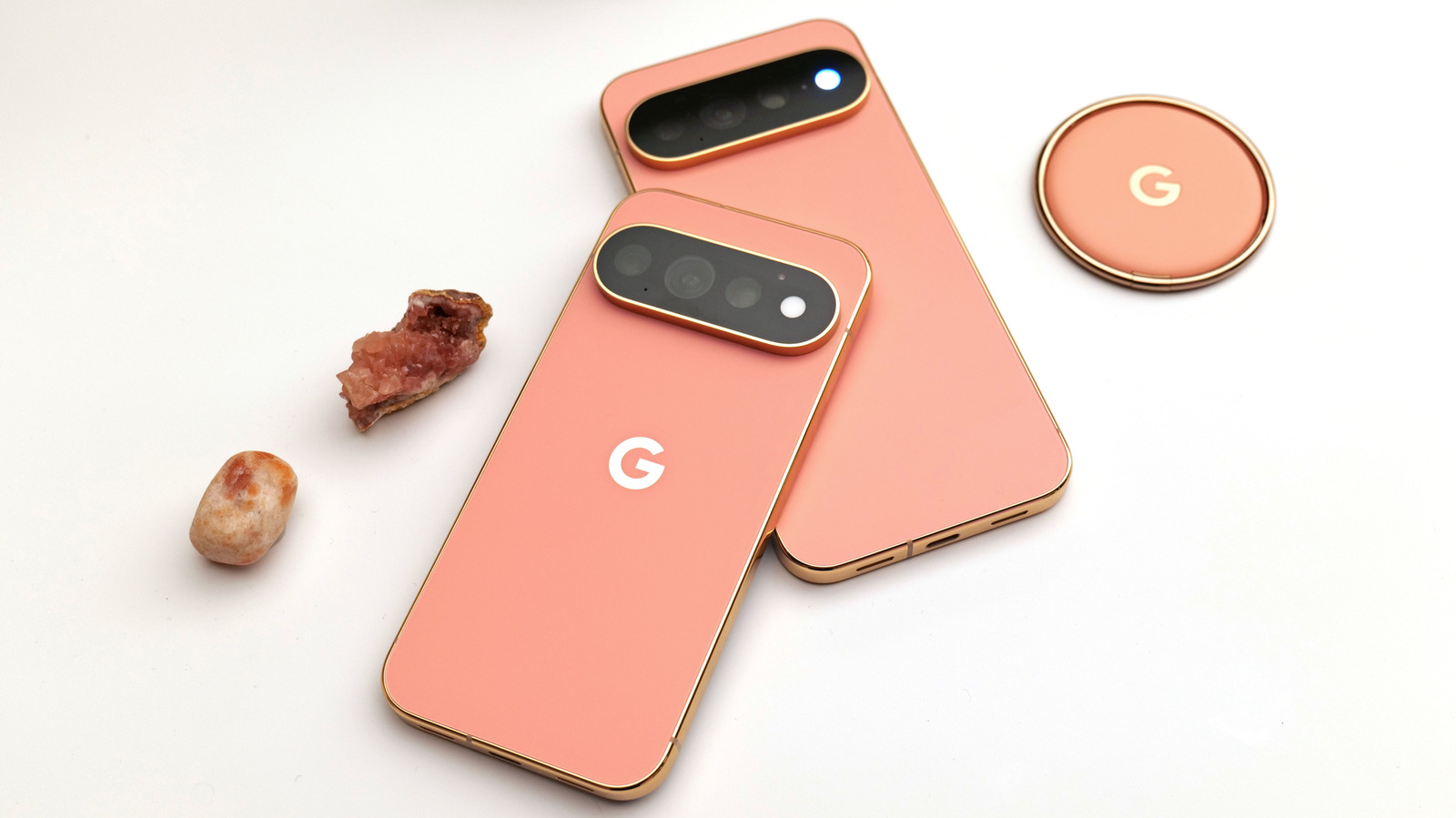
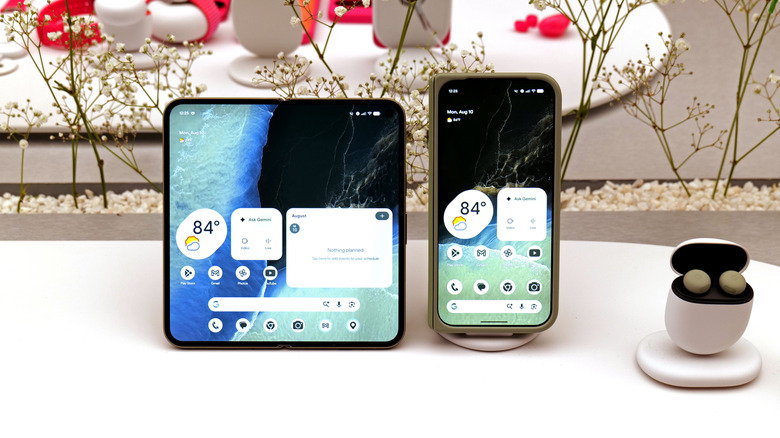
In a year when Samsung made two new flagship foldables, the latest Pixel Pro Fold feels like a letdown.
Sam Rutherford for Engadget
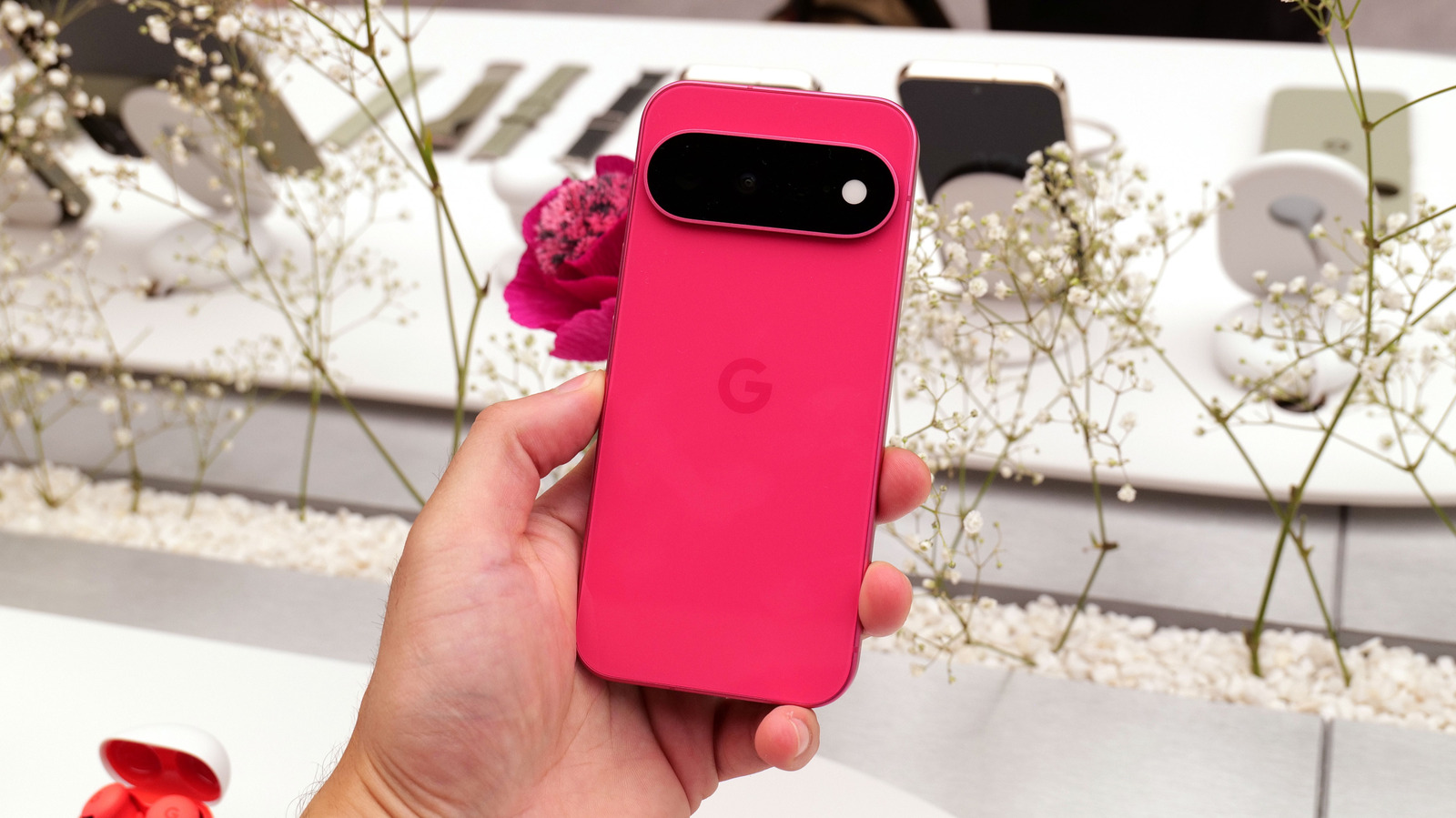
When Google made its first foldable phone, it burst on the scene with a handset sporting a unique design unlike any of its rivals. Then for its second generation Google switched things up again by opting for an even taller and larger display with a re-engineered hinge and the best cameras in its class. And last year, it added substantially better durability that its closest competitor still hasn't matched. But with this year's Pixel 11 Pro Fold, it feels like Google is coasting while Samsung's foldables pass it by.
Design
Sam Rutherford for Engadget
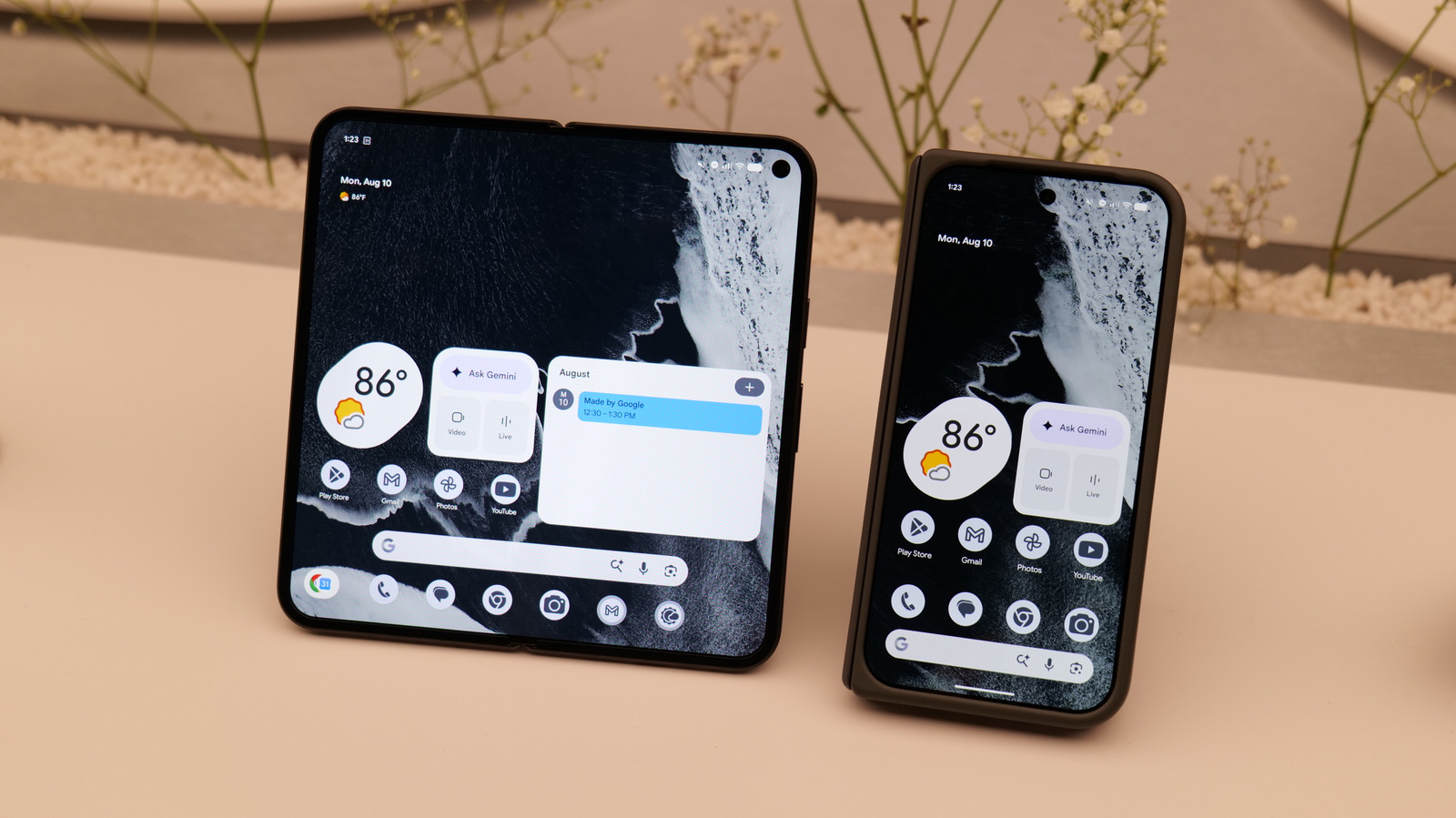
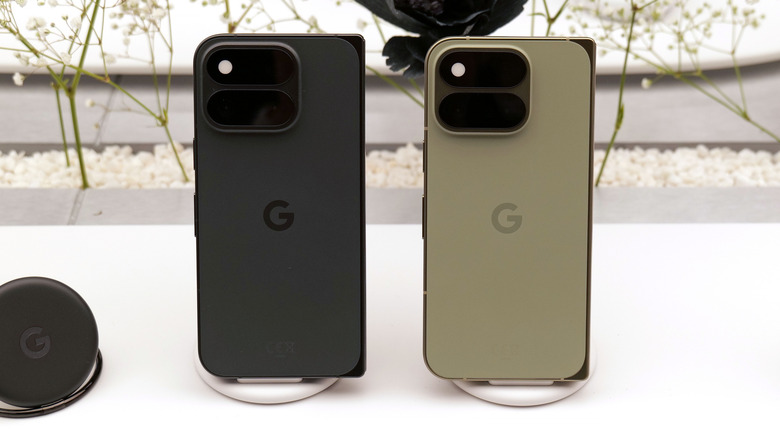
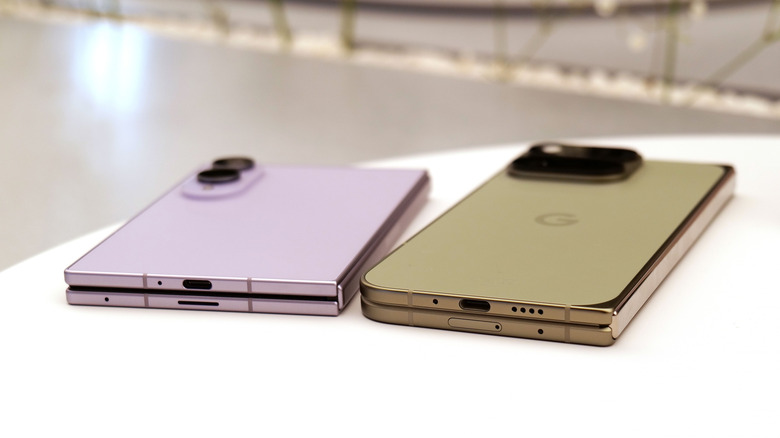
Packing a 6.5-inch exterior display and a 8-inch flexible interior display, both of the Pixel 11 Pro Fold's OLED displays are essentially the same size as before. Peak brightness has increased 20 percent to 3,600 across both panels, which is nice, and Google says its bezels are thinner than ever. Its weight is also down 10 percent to 239 grams (from 258 grams on the P10 Pro Fold). The issue is that when compared to both the base Z Fold 8 (201 grams) and the Z Fold 8 Ultra (215), the Pixel 11 Pro Fold still feels like brick. And at 10.1mm, it's noticeably thicker than both of Samsung's foldables too.
Granted, the P11 Pro Fold still includes IP68 dust and water resistance, which is better than what you get on the Z Fold 8 line (IP48). But after making an absolute tank of a foldable phone with last year's model, I said Google really needed to cut weight and thickness this generation, and it just hasn't. Instead, it seems like Google has leaned even more into the Pro Fold's sturdiness with a new glass fibre material for its rear panel that the company says is nearly impossible to crack. This is great in theory, but obviously I wasn't in a position to smash one of Google's demo units in order to test that claim.
Specs and hardware
Sam Rutherford for Engadget
On the inside, like the rest of the Pixel 11 family, the Pro Fold comes with a new Tensor G6 processor that delivers up to 25 percent faster web browsing, 20 percent better power efficiency and 15 percent speedier app loading. Google's silicon also features a new ISP for its camera that helps capture Night Sight shots up to 4.5 times faster, while the company's Titan M3 security chip helps guard against ever more complicated cyber attacks.
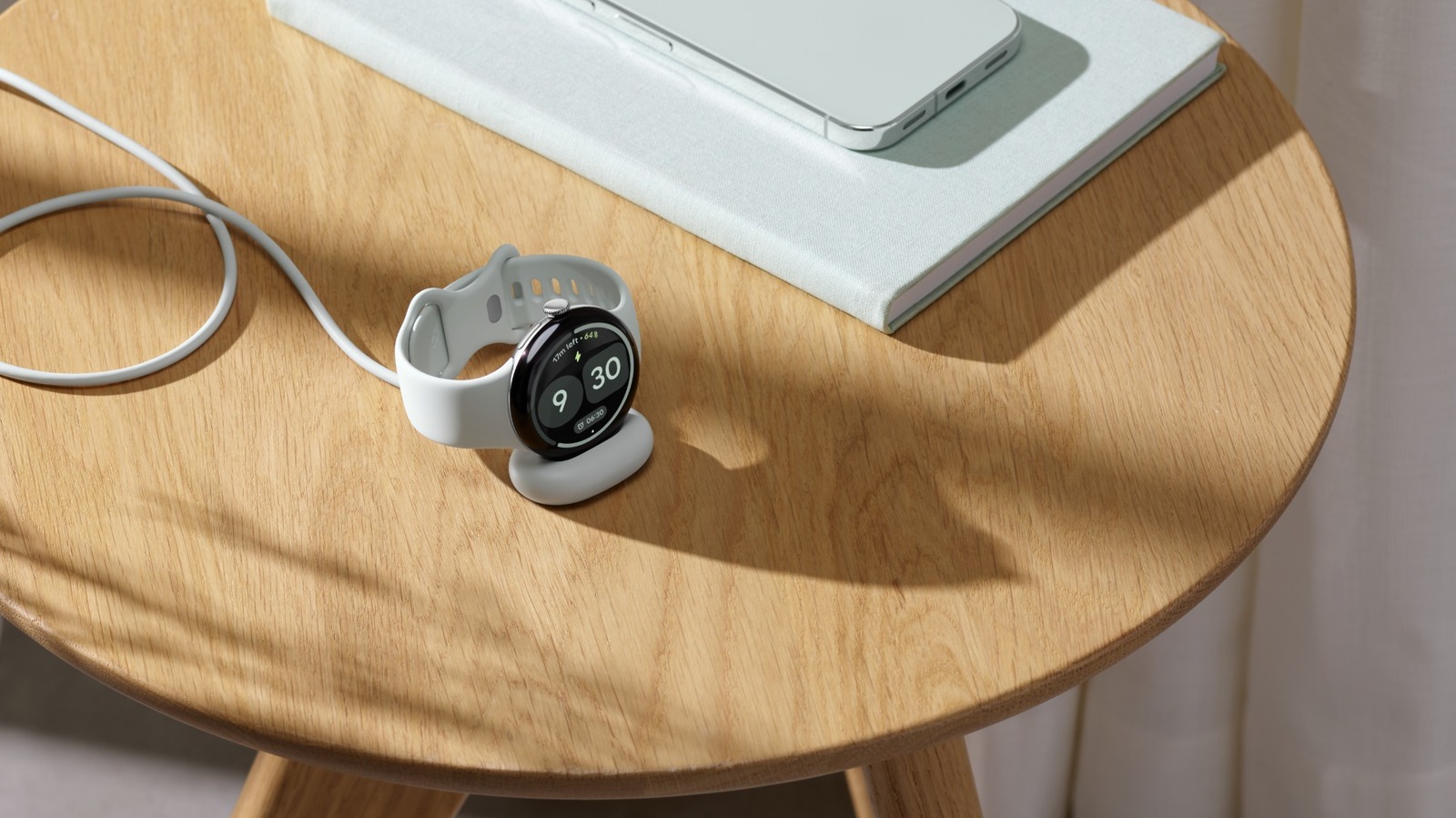
Annoyingly, the P11 Pro Fold's battery capacity has actually fallen year-over-year from 5,015mAh to 4,806mAh. In return, while wired charging is staying the same at 30 watts, the phone goes up to 25 watts when resting on a compatible wireless puck thanks to Qi 2.2 support, up from just 15 watts previously.
Cameras
Sam Rutherford for Engadget
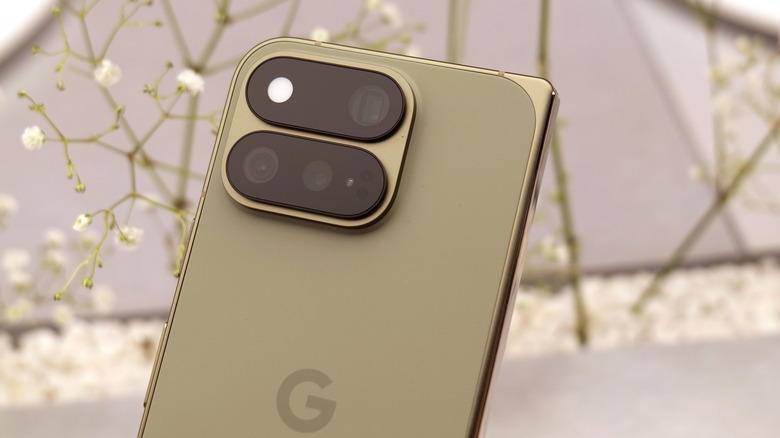
As for the phone's rear cameras, the big upgrade for this year is a fresh 48-megapixel main sensor, which joins the existing 10.5MP ultra-wide and 10.8MP telephoto cam with a 5x optical zoom. I'm definitely glad to see the Pro Fold's primary camera get a boost as that should secure Google's lead in image quality. The sad part is what the Fold isn't getting compared to its other Pro siblings. This includes being limited to 30x Super Res Zoom instead of 120x, and the lack of a new sensor for telephoto pics.
Thankfully, the P11 Pro Fold does come with Google's new HiLight indicator LED system, which allows the phone to alert you when someone calls or when you trigger Gemini. And while I like the feature, not having support for texts at launch feels like a miss. Plus, it's not enough to salvage the lack of innovation elsewhere on the phone all by itself.
Other features
Sam Rutherford for Engadget
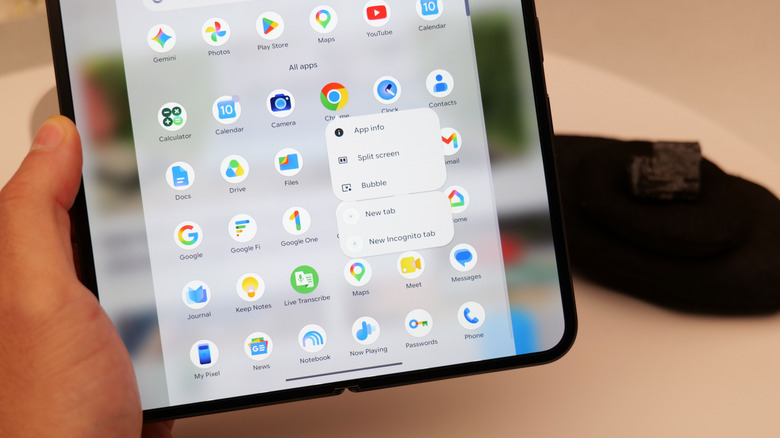
This means the Pro Fold is relying a lot on Pixel 11's new family-wide features and software updates to carry it across the line. Magic Capture is great for letting you sit back and enjoy the scene while the phone uses AI to pick out the best shots and video. Then there are Google's new Camera Looks, which are basically a set of customizable filters that give you more control over the colors your camera records. And if you're an aspiring YouTuber, Google's Creator Suite gives you a bunch of tools like a built-in teleprompter, better project organization and a new storyboard editor for all your upcoming videos. But once again, all of these are available to every handset in the Pixel 11 family. Same goes for all the new advanced intelligence tools, like Rambler, improved support for the phone's AI to summon flight info while texting and task automation.
 Sam Rutherford for Engadget
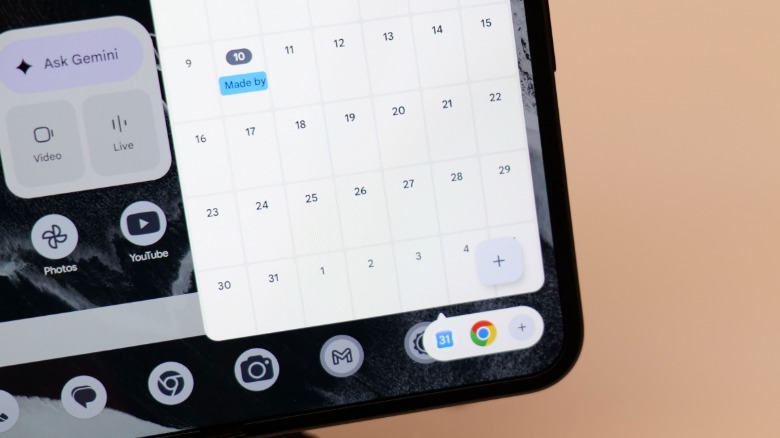
This means the most important software addition to the Pixel 11 Pro Fold is Google's bubbles, which isn't an exclusive feature but it has a major impact on a big foldable like this as it allows you to open most apps into a free-floating window. This feature even comes with a little app switcher that sits in the bottom right corner, so you can flip between things with haste. Unfortunately, Google still doesn't let you pin the Pro Fold's taskbar permanently to the bottom of the screen like you can on a Galaxy Fold, which would have served the same purpose. I should also mention that there are a couple new Made You Look animations that you can throw up on the Pro Fold's cover screen to get a quick smile out of children when taking pictures. But unless you're a regular performer at kids' birthday parties, that's not something you'll use everyday.
Initial thoughts
Sam Rutherford for Engadget
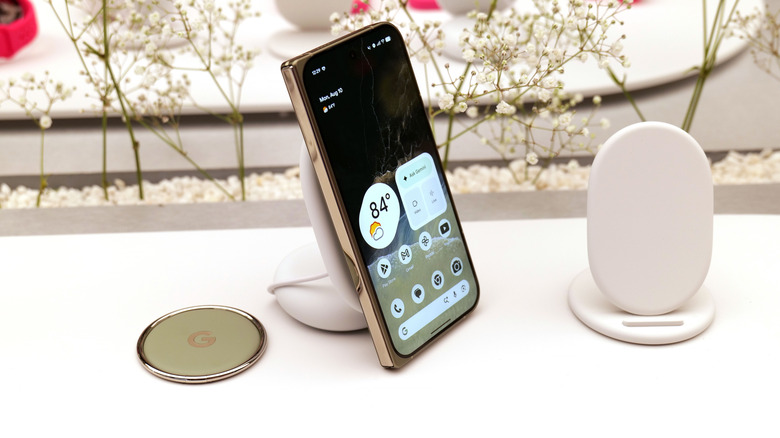
To me, the most frustrating thing about the Pixel 11 Pro Fold is simply the existence of the base Galaxy Z Fold 8. Not only did Samsung double down on foldables this year by making two new book-style foldables, the Z Fold 8's design is basically an updated take on what the original Pixel Fold offered back in 2023. In a lot of ways, it feels like Google is coasting when it comes to its foldables while Samsung has borrowed and improved on something the Pixel family left for dead.
Now all this doesn't mean the Pixel 11 Pro Fold is a bad device. I appreciate a new processor along with faster charging, brighter displays (both inside and out) and a new sensor for its main camera. But between a $100 price increase over the previous model and the lack of engaging Pro Fold-specific features, Google's next flagship foldable needs more of everything if it truly wants to compete with the likes of Motorola and Samsung.