Samsung and Google have increasingly different approaches to folding phones.
Sam Rutherford for Engadget
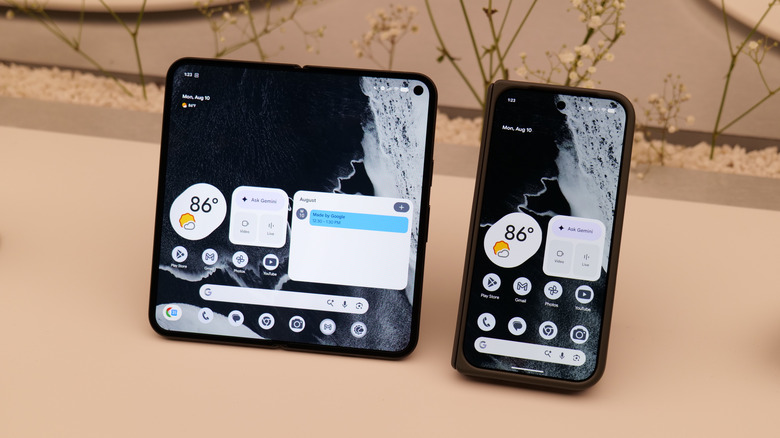
Whether one notable holdout joining the fray will make this the year of the foldable or not, 2026 is already certainly a referendum on foldable aspect ratios. After years of making narrow folding phones, Samsung opted for a wide aspect ratio for the first time with the Galaxy Z Fold 8, a decision that already seems popular with reviewers. Google, ironically, started its foldable run with a passport-style fold before moving to a narrow aspect ratio more in line with Samsung's. So with the recent announcement of Google's Pixel 11 Pro Fold, there's now a perfect opportunity to compare the two approaches.
Google and Samsung remain close partners when it comes to software, so ideally Android should be as functional on one device as it is on another (save each company's unique flourishes). But the hardware choices each company made, from the size of their screens to the quality of their cameras, could make a difference when you break it all down.
Design and displays
Sam Rutherford for Engadget
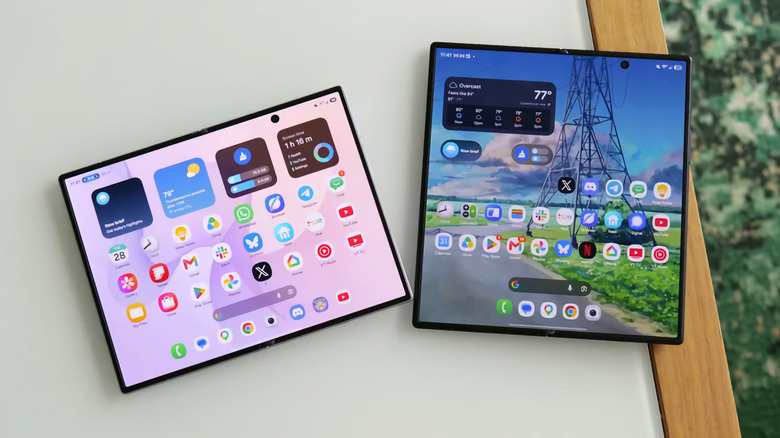
The Samsung Galaxy Z Fold 8, while visually reminiscent of the Galaxy Z Fold 7 that came before it, is shorter and squatter overall. The foldable features a 5.5-inch AMOLED external screen, designed to be easier to reach with one hand, and a wide, 7.6-inch AMOLED internal screen that works much better for watching video than past Samsung foldables.
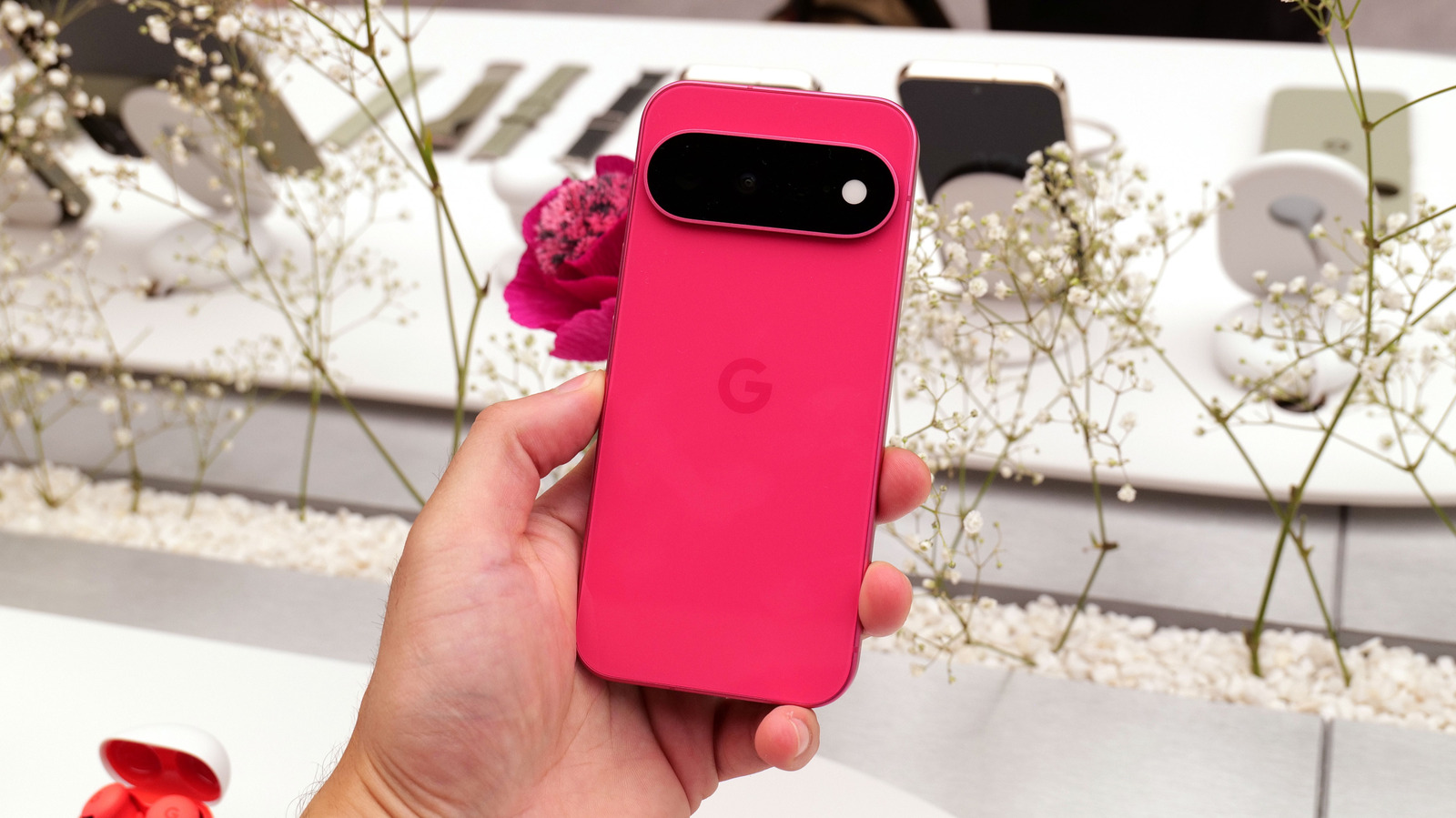
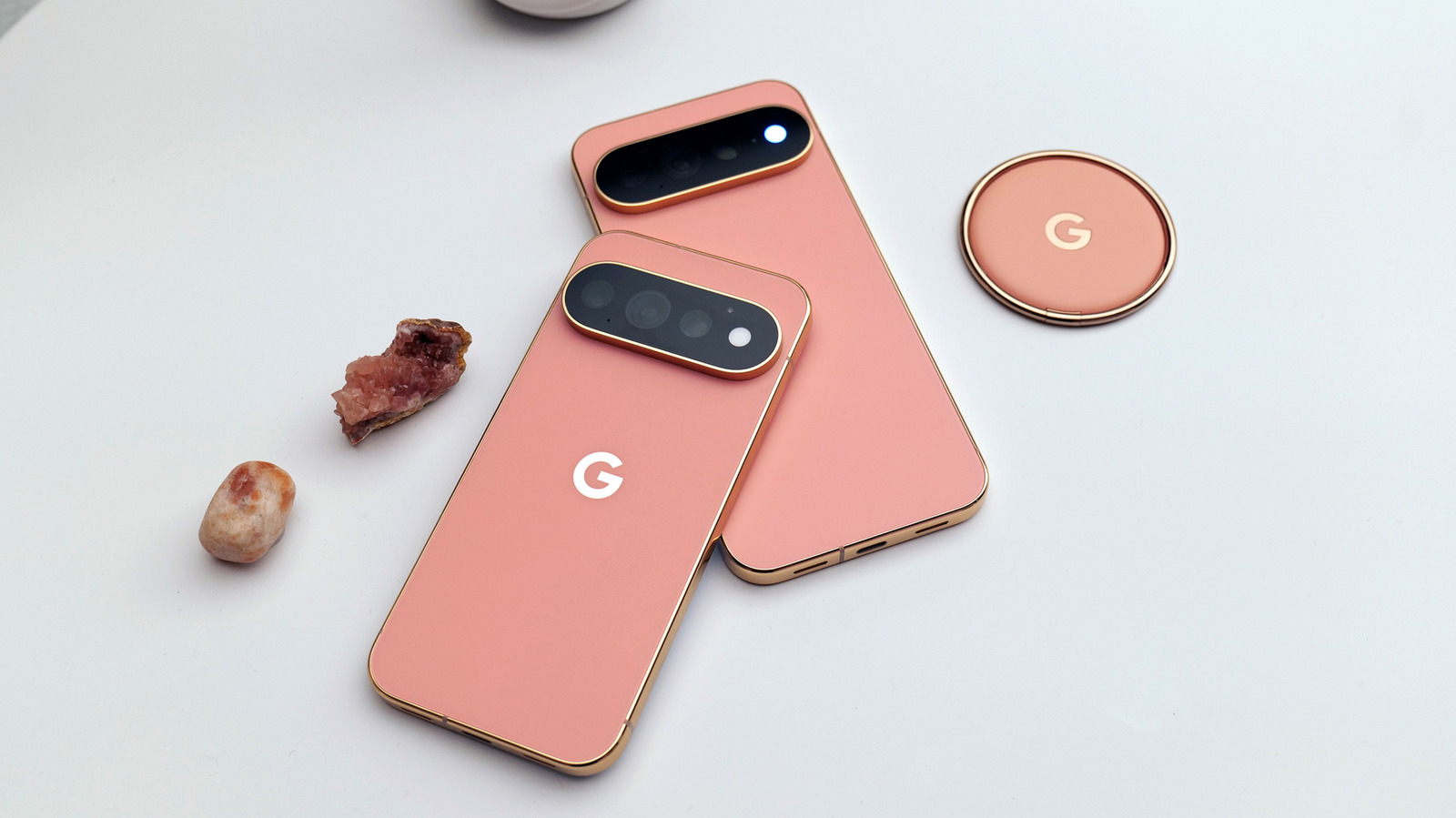
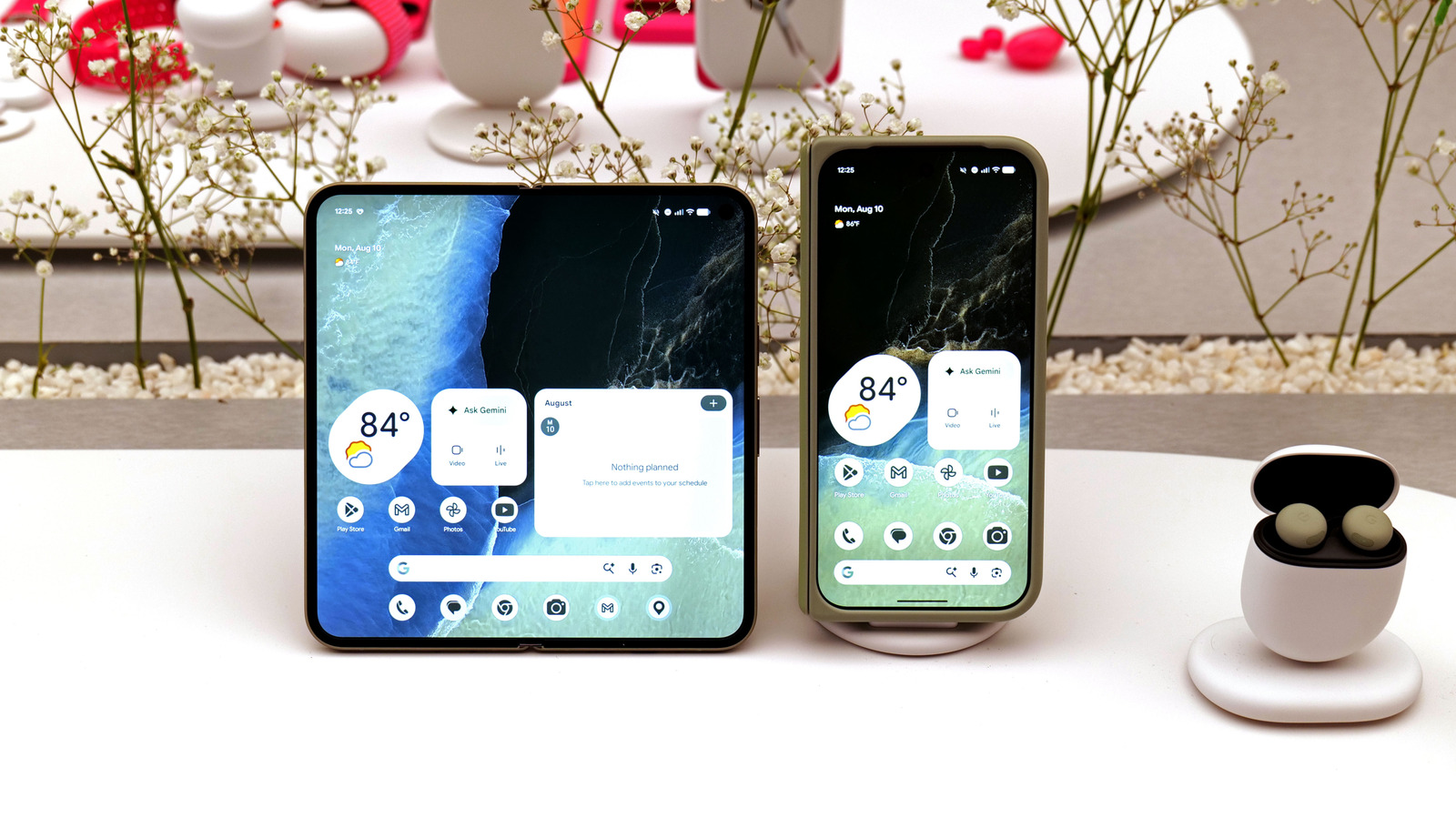
In comparison, the Pixel 11 Pro Fold is taller and narrower than the Fold 8, and even 1mm thinner than the Pixel 10 Pro Fold. It features a 6.5-inch Super Actua external display (Google's custom OLED screen) that's closer in size to a normal smartphone, and an 8-inch Super Actua internal display with enough space to easily run two full-sized smartphone apps side-by-side.
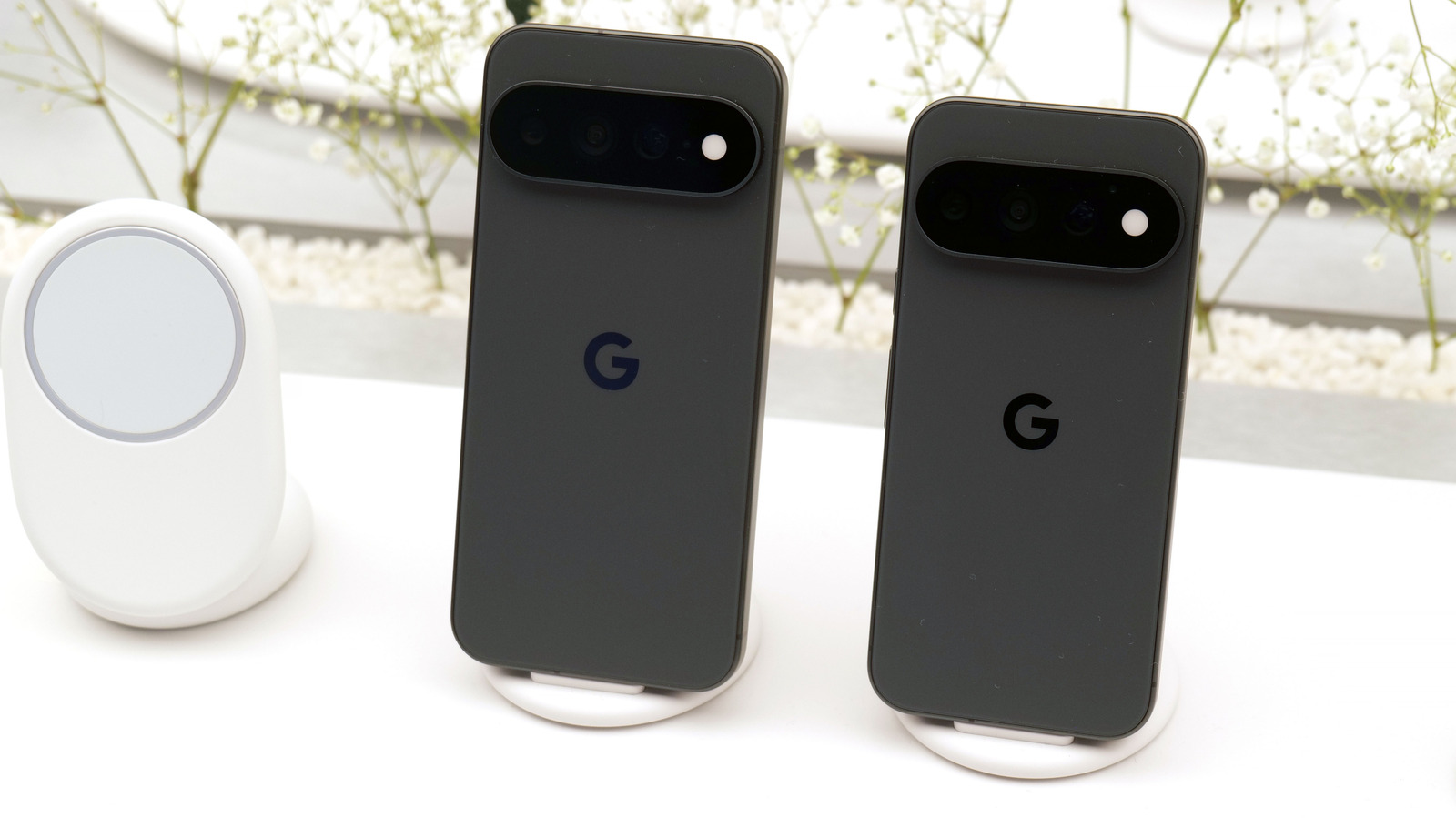
Both phones have a 120Hz refresh rate on their displays, and similar peak brightness levels (3,000 nits for the Samsung and 3,600 nits for the Pixel). The Pixel 11 Pro Fold gets one key addition in a new "HiLight" notification light on the camera bar that can change color depending on who's calling or if you're talking to Gemini. The only surprise around the back of the Galaxy Z Fold 8, is the removal of the dedicated telephoto camera found on the Z Fold 7.
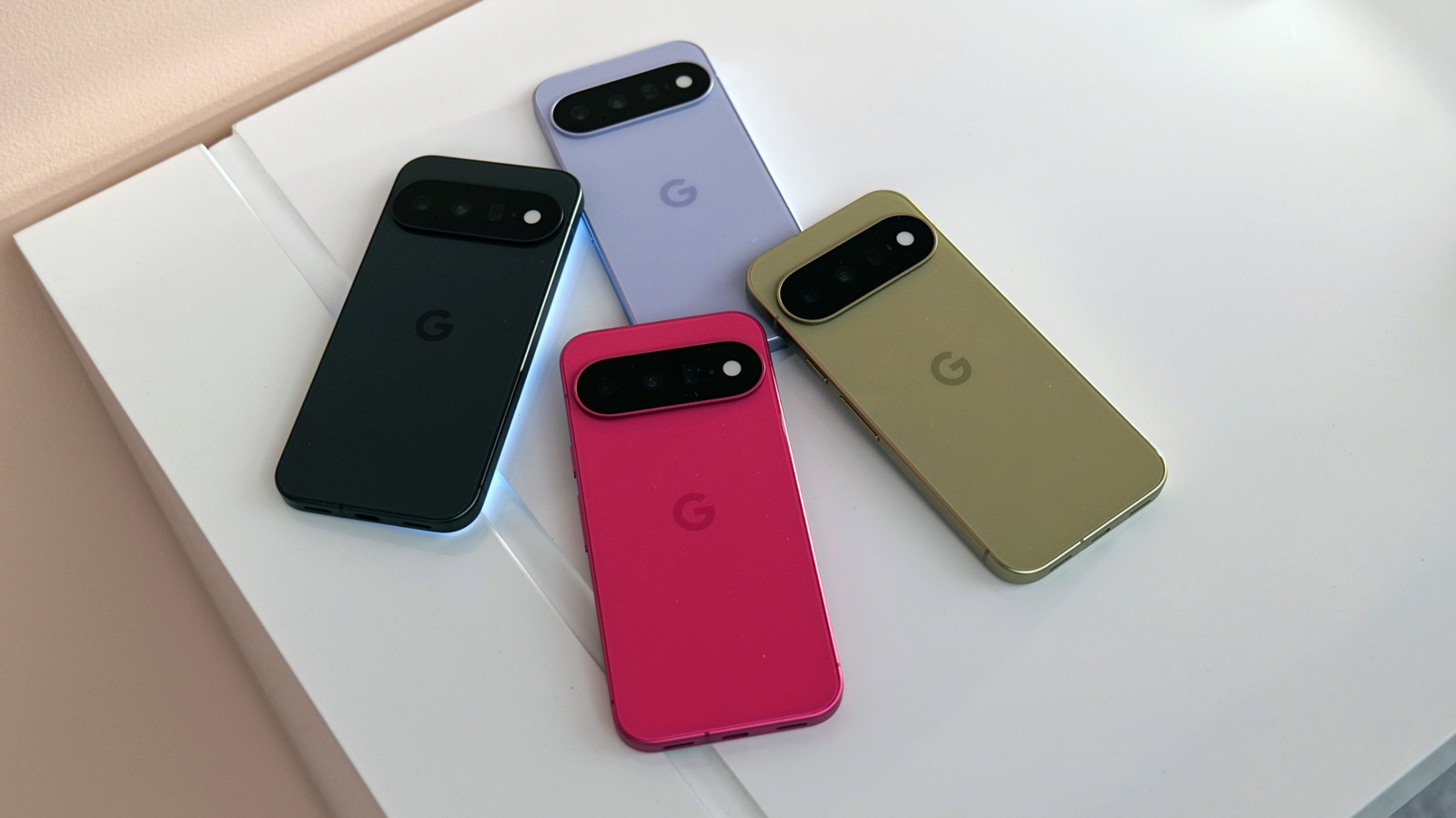
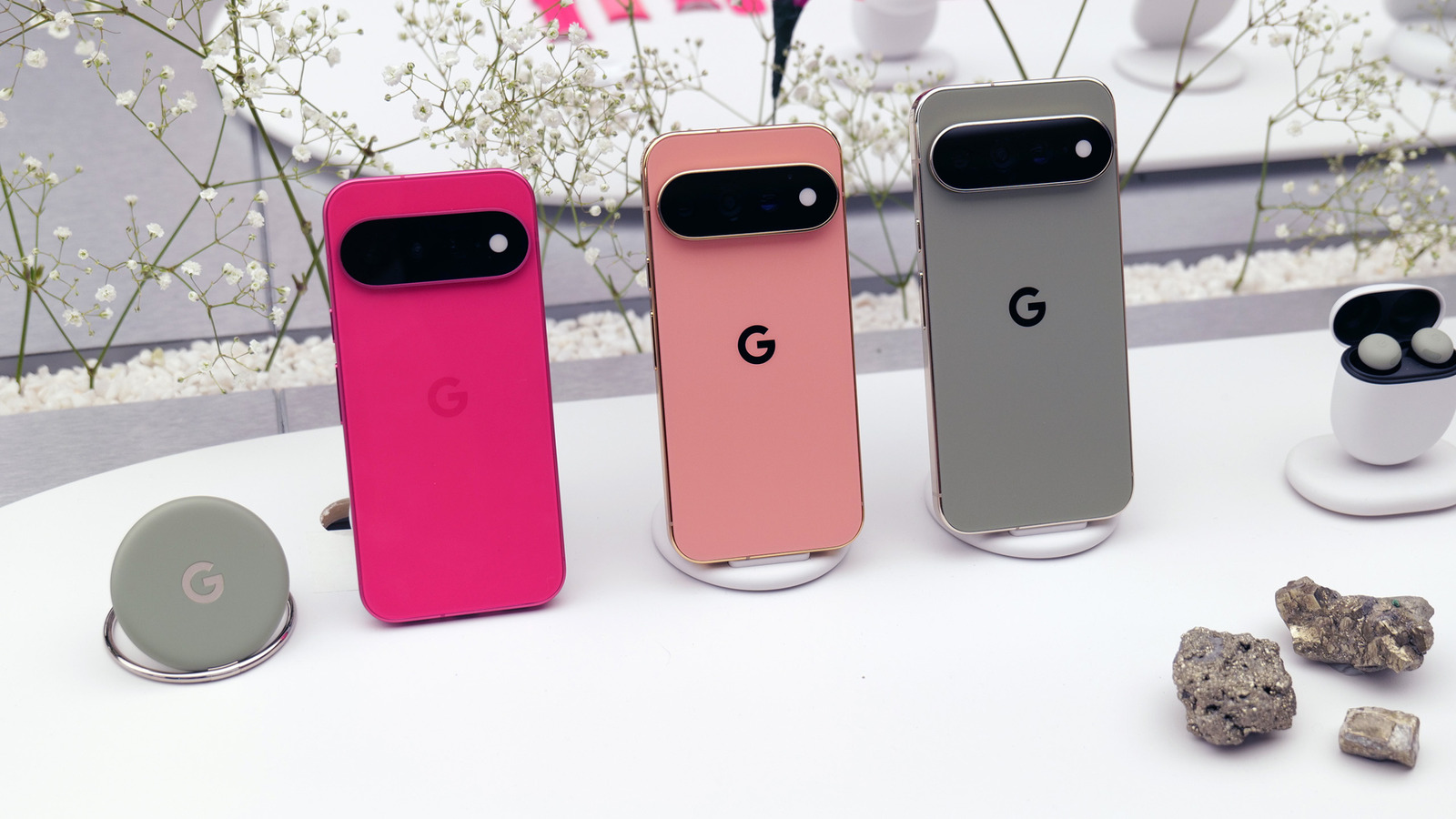
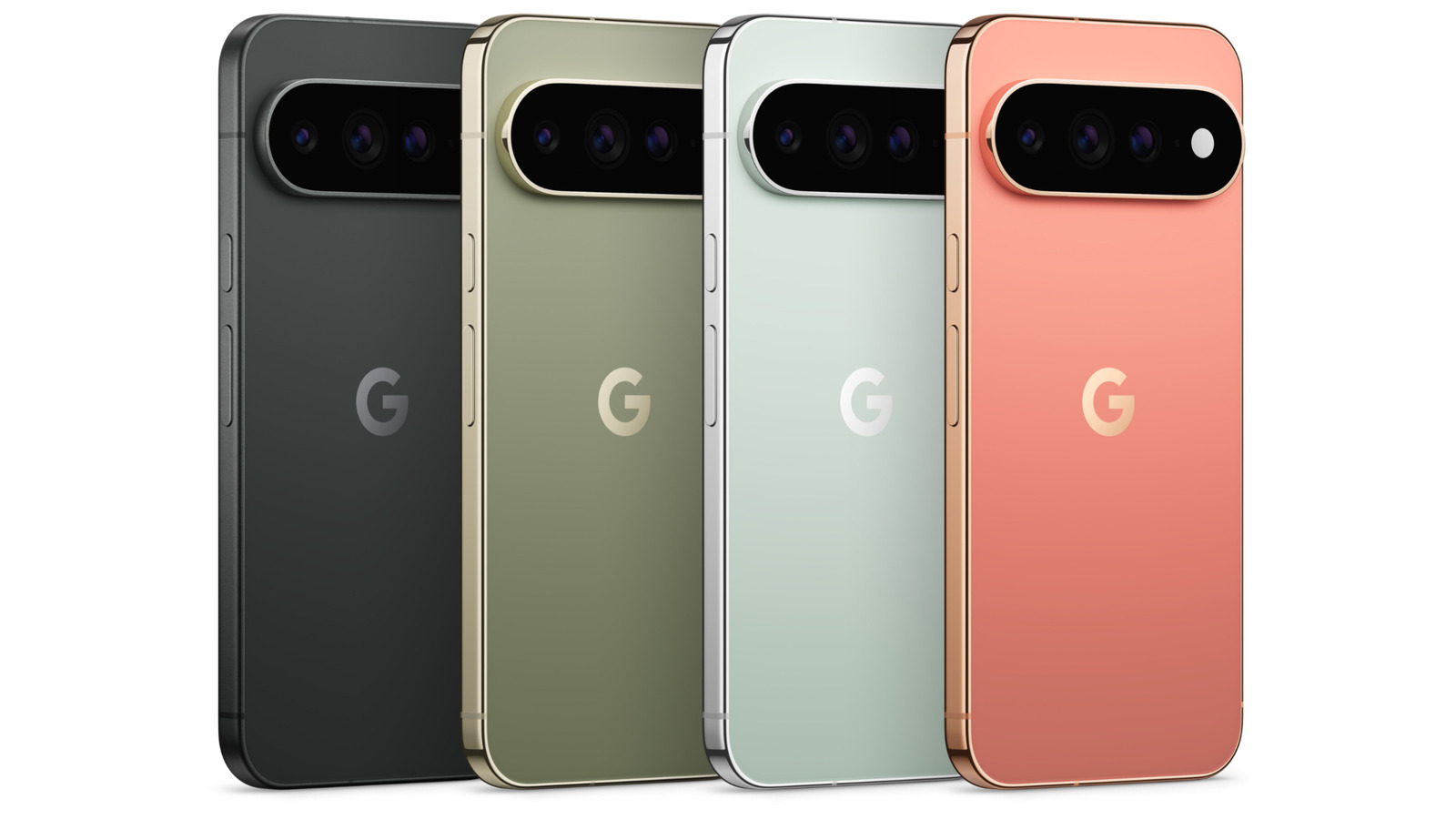
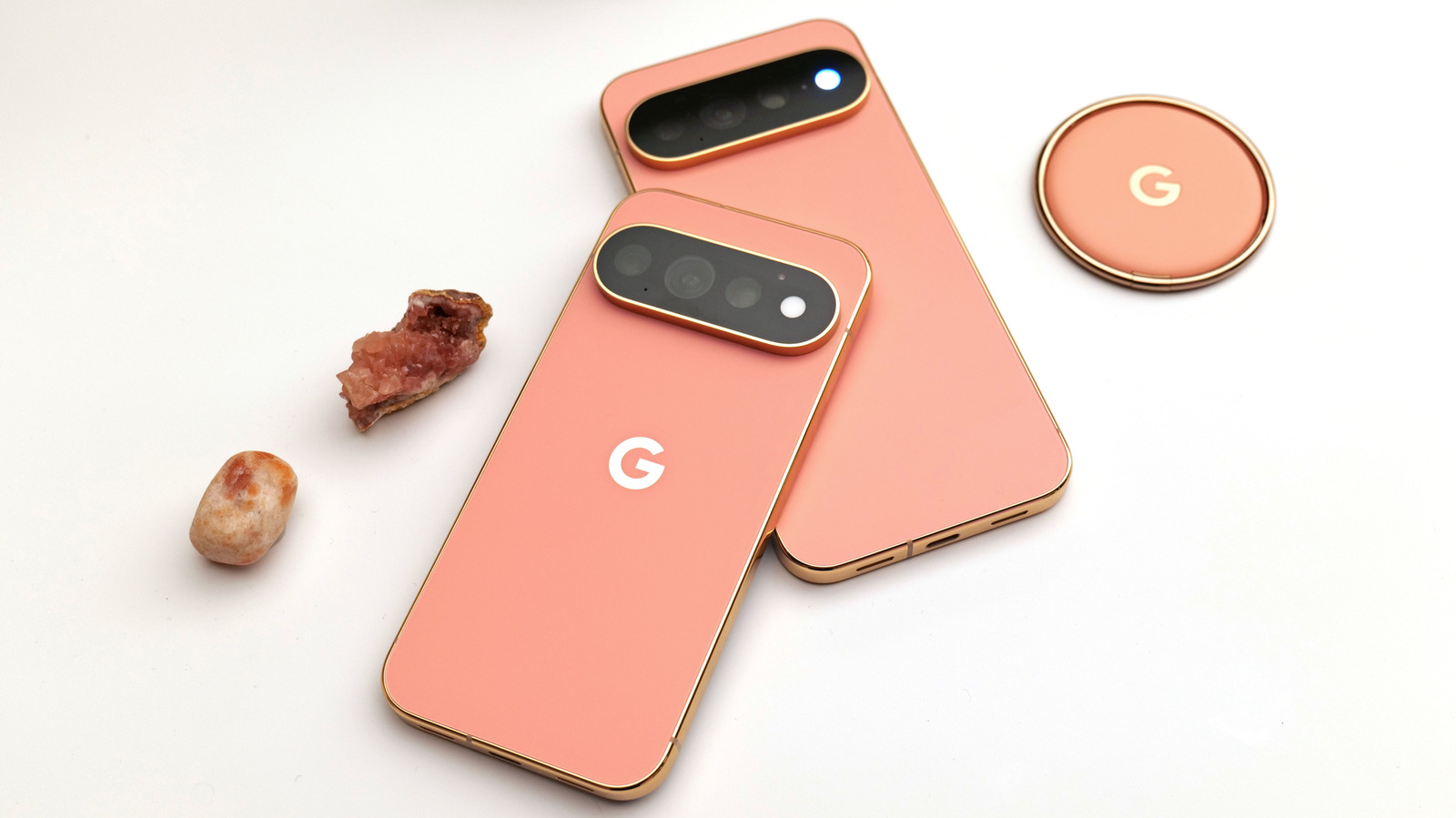
What Samsung does offer is more color options. You can purchase the Galaxy Z Fold 8 in a light purple "Lavender," a white "Cream" or a gray "Graphite," with a green "Pistachio" option available exclusively through the company's website. The Pixel 11 Pro Fold only comes in two options, a soft green "Olive" and a black "Obsidian."
Processors, RAM, batteries and storage
Inside, the Galaxy Z Fold 8 features Qualcomm's Snapdragon 8 Elite Gen 5 chip, with support for 12GB of RAM on the 256GB and 512GB models, or 16GB of RAM on the 1TB model. Samsung doesn't differentiate chips between the normal Fold 8 and the more expensive Fold 8 Ultra, so you should be getting the fastest possible performance on even the entry-level model. We found that the Galaxy Z Fold 8 easily handled things like multitasking and mobile video editing in our review.
The Pixel 11 Pro Fold uses Google's new Tensor G6 chip, 16GB of RAM, and either 256GB, 512GB or 1TB of storage. Google says the Tensor G6 chip features an upgraded CPU that offers up to 20 percent better power efficiency, 25 percent faster browsing and 15 percent faster app loading than the Tensor G5. Like the company's previous chips, it's also been specially tuned for camera performance and AI, with an updated Image Signal Processor and the ability to run Google's on-device Gemini Nano model more efficiently.
The continued inclusion of magnets (and therefore Qi2 support) also means the Pixel 11 Pro Fold can wirelessly charge faster than the Galaxy Z Fold 8. The Pixel 11 Pro Fold supports 25W charging with Google's Pixelsnap chargers or 30W charging over a wired connection. Google says the phone should get over 24 hours of battery life and has a 4,750mAh battery.
The Galaxy Z Fold 8 features a 4,800mAh battery, which lasted just over 28 hours in our testing. The Z Fold 8 doesn't have built-in Qi2 magnets but can charge wirelessly at 20W, or over a wired connection at 45W. The foldable is one of the first of Samsung's phones to feature a silicon-carbon battery, which lets it have a higher capacity in a smaller footprint.
Cameras
Sam Rutherford for Engadget
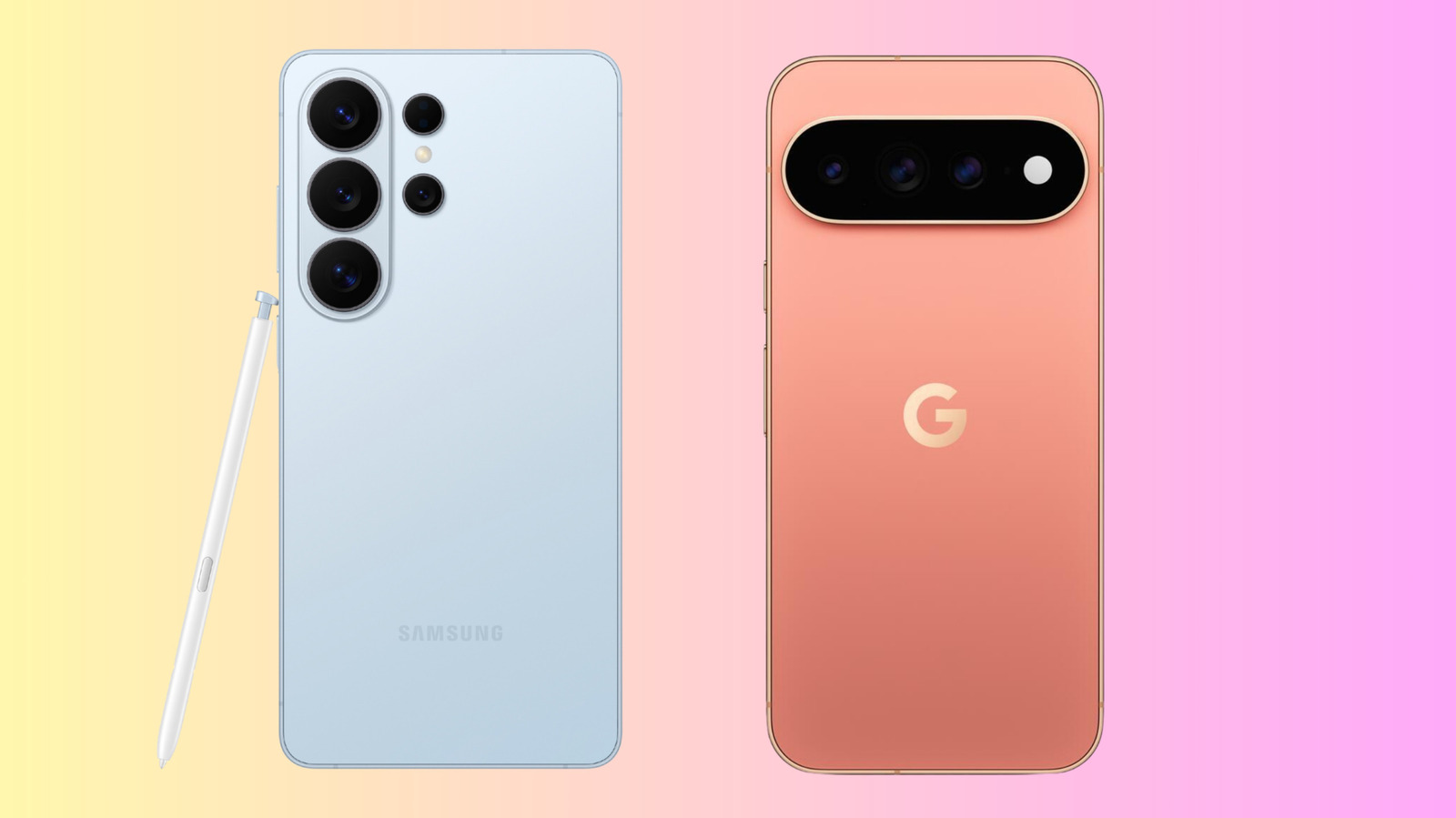
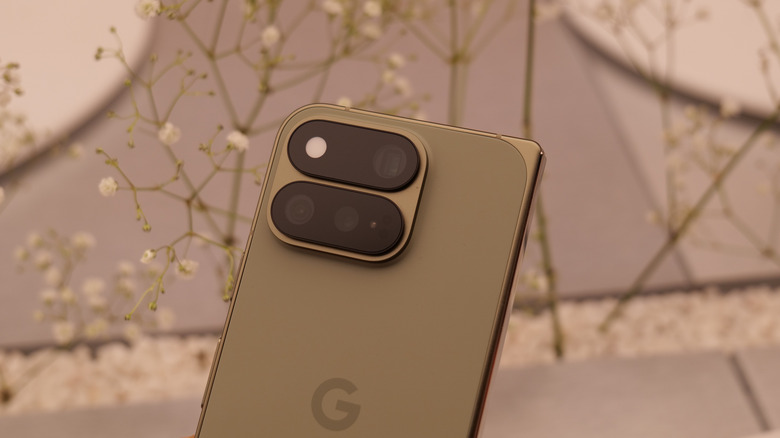
Cameras are one of the biggest places the Pixel 11 Pro Fold and Galaxy Z Fold 8 differ. The Pixel 11 Pro Fold features three rear cameras: a 48MP wide with a larger 1/1.56" sensor, and the same 10.5MP ultrawide and 10.8MP telephoto of the Pixel 10 Pro Fold. All three cameras also support Google's software-enabled Super Res Zoom feature, which lets you hit a 30x zoom compared to the 20x zoom on the Pixel 10 Pro Fold. The smartphone's 10MP external and internal selfie cameras are also unchanged.
The Galaxy Z Fold 8 is immediately different because it only has two rear cameras: a 50MP wide and a 50MP ultrawide. Both are a significant step-down from the 200MP camera on the Galaxy Z Fold 8 Ultra. The Galaxy Z Fold 8 also has 10MP external and internal selfie cameras.
Of course, hardware is only part of what makes a smartphone camera great, and both Samsung and Google offer their own software features to further differentiate things. For example, Samsung lets you record from both the front and rear cameras at the same time, and added an updated ProVisual Engine that's supposed to remove noise from shots. Google added an even larger collection of features on the Pixel 11 Pro Fold, including a feature called Magic Capture that automatically crops and unblurs photos, and Camera Looks, which lets you apply custom film grades to your photos, not unlike the iPhone's Photographic Styles.
Price
With RAM prices already elevated and foldables costing more to build than single-screen phones, neither the Galaxy Z Fold 8 nor the Pixel 11 Pro Fold comes cheap. Google's Pixel 11 Pro Fold starts at $1,900, a $100 jump from the Pixel 10 Pro Fold's $1,800 starting price. Meanwhile the Galaxy Z Fold 8 also starts at $1,900, technically $100 less than the previous Galaxy Z Fold 7's starting price, but by no means affordable.