The company has published a report about China-linked influence campaigns that used ChatGPT.
Samuel Boivin/Shutterstock
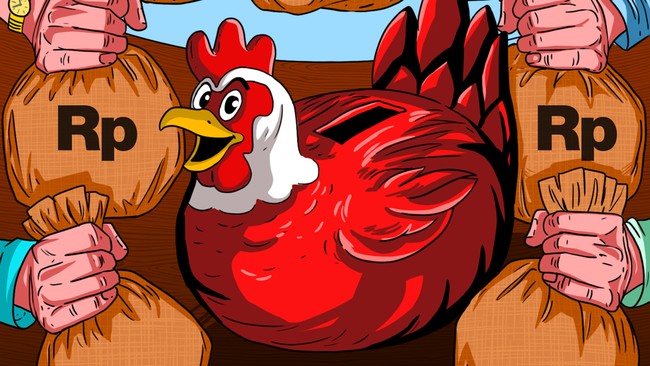
OpenAI has published a report about ChatGPT users, who it says were likely based in China, that used the chatbot to plan a campaign designed to sway Americans' opinions about AI data centers. It divided the users into two clusters, the first of which it had designated the "Data Center Bandwagon" group. Accounts categorized in the group allegedly asked ChatGPT to generate English-language talking points and images, such as comic strips, which focus on how AI data centers drive up demand in electricity and how that leads to higher bills for consumers.
The company says these users posed as Americans from a variety of backgrounds on social media, where they had posted the text and image output they got from ChatGPT. OpenAI believes they're part of a social media team at a private Chinese company working for local government clients. They apparently even uploaded a file to the chatbot describing their objectives and strategies on how to sway public opinion and how to establish fake social media accounts without getting detected.
This group also targeted Chinese people based in other countries, even going as far as to ask ChatGPT to generate insults meant to harass Chinese dissidents and political commentators. While posing as US-based Chinese immigrants and professionals, they egged online public personalities to speak more about US policy failures, as well.
It's worth noting that while the users most likely used inauthentic accounts to post on social media, the company says they posted links to "legitimate news stories about the power grid operator's capacity auctions and data center power demand." The rise of electricity costs in towns and cities near AI data centers is a very real concern and is one of the first effects of the AI boom that people felt firsthand. According to a Bloomberg report, electricity now costs as much as 267 percent more for a month compared to five years ago in areas close to data centers, because their energy demands outstrip supply.
Meanwhile, the second cluster of accounts that OpenAI discovered generated comments and images criticizing US tariffs and tech policies. They specifically focused on generating content critical of the US and emphasized that the country has been backstabbing allies. This group asked ChatGPT to keep Chinese President Xi Jinping out of the images they generated and told the chatbot to write comments in English, Italian, Japanese and traditional Chinese to target Taiwanese audiences.
OpenAI admits the campaigns failed to gain much authentic engagement and that they haven't exactly shifted public opinion. Based on OpenAI's report itself, they focused on real issues that are already controversial and discussed widely online in the first place. The company explains that the reason these campaigns are significant is because the "operators attempted to covertly insert themselves into an ongoing American debate about the future of the country's AI capabilities while hiding who they were and what motivated them." As for why the campaigns chose to use an American AI chatbot instead of, say, DeepSeek, even OpenAI couldn't tell. "We are not in a position to determine what drove this choice," its report reads.