It’s an interim measure while the European Commission investigates the ban.

miss.cabul/Shutterstock
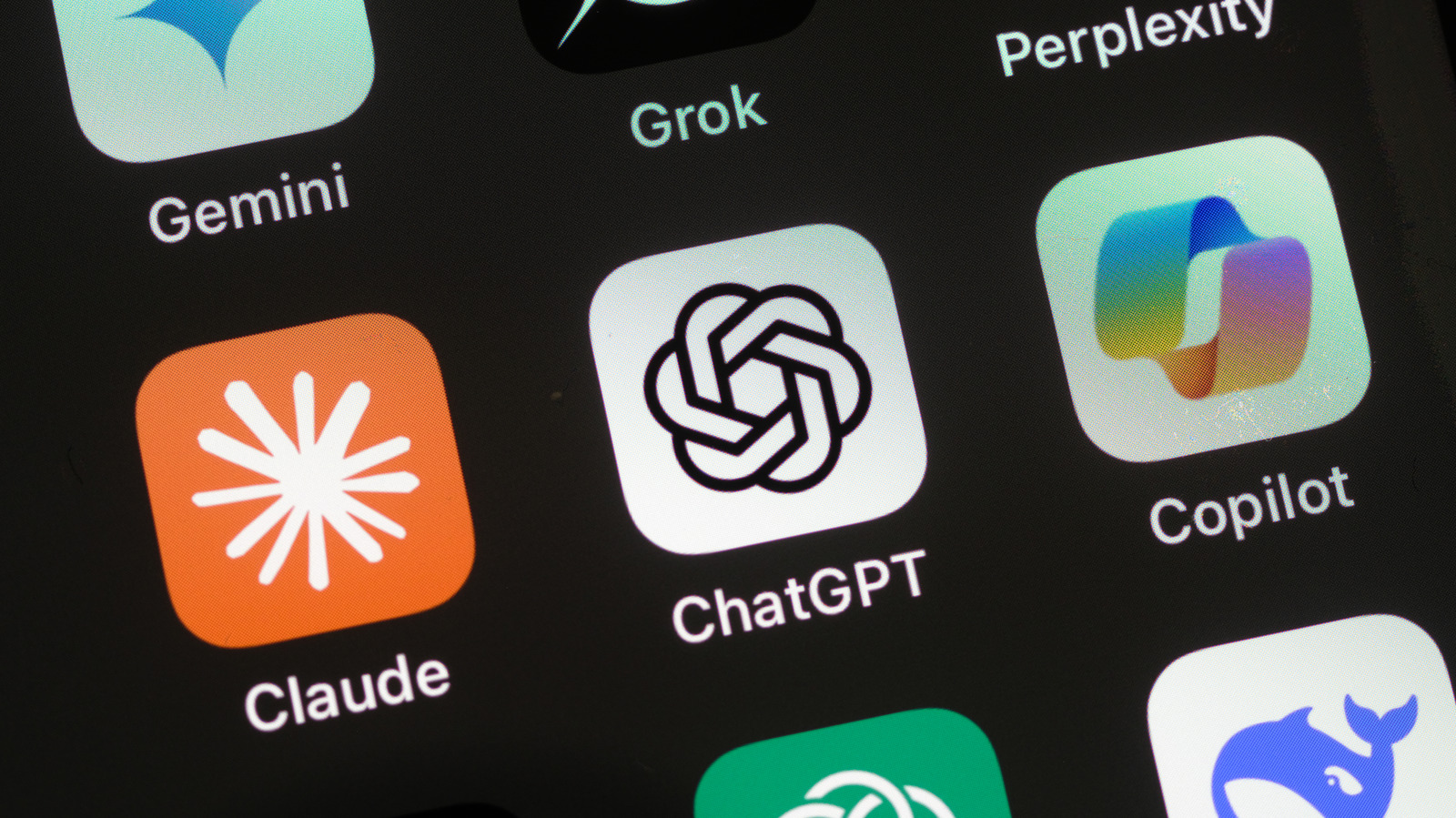
The European Union has ordered Meta to open WhatsApp to AI chatbots from rival companies again, for free, as it investigates the messaging app's owner over potential antitrust violations. Meta introduced a new policy in October 2025 that banned third-party AI chatbots from the WhatsApp for Business API, making Meta AI the only chatbot that can access the service. Before the ban, companies could send notifications through WhatsApp, such as order alerts, using other AI assistants.
EU officials opened an antitrust investigation into the new policy in December and then warned the company earlier this year that it can take interim measures against it. In its announcement, the commission explained that Meta has held a dominant position in the European messaging app market since at least 2023. As such, Meta seems to be abusing its dominant position by preventing competing AI assistants from using the WhatsApp API.
It also mentioned that Meta revised its policy in early March, allowing third-party AI assistants to access WhatsApp for a fee. However, the commission didn't view the offer of paid access as preferable to the outright ban. The commission believes there's an "urgent need" to implement measures to prevent permanent harm to the market while its investigation is ongoing.
With this order, Meta is required to restore its terms and conditions for third-party AI assistants for WhatsApp before it implemented the policy change in October 2025. Further, the interim measure it imposed on the company must stay in place until it's done with its investigation. "In rapidly evolving markets, competition can be lost long before a final decision is adopted," said EU competition chief Teresa Ribera. According to the Wall Street Journal, she also told journalists at a press event that she thought the fee Meta was asking for third-party access was too high. Meanwhile, Meta told the Journal it would appeal the decision. The company argued that the EU's order was a regulatory overreach that would grant some of the world's largest companies access to the WhatsApp Business API without paying.