It's only available with the top-tier Premium subscription plan, for one.
DIA TV/Shutterstock
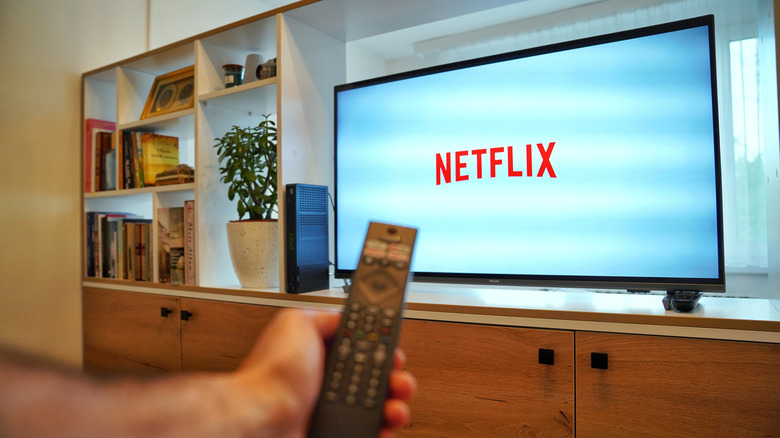
Netflix has long offered content in HDR10 and Dolby Vision, adding support for HDR10+ streaming in March 2025. Dolby Vision, introduced by Dolby Laboratories in 2014, is supported by many TVs as well as home theater devices, laptops, game consoles, and more. The technology helps improve picture quality, offering more depth, better contrast and deeper colors. While Netflix offers support for many titles, clearly marked with a Dolby Vision logo beside the title, you need the proper subscription, device, and settings to actually watch content in Dolby Vision.
How to enjoy Dolby Vision content on Netflix
eafaru/Shutterstock
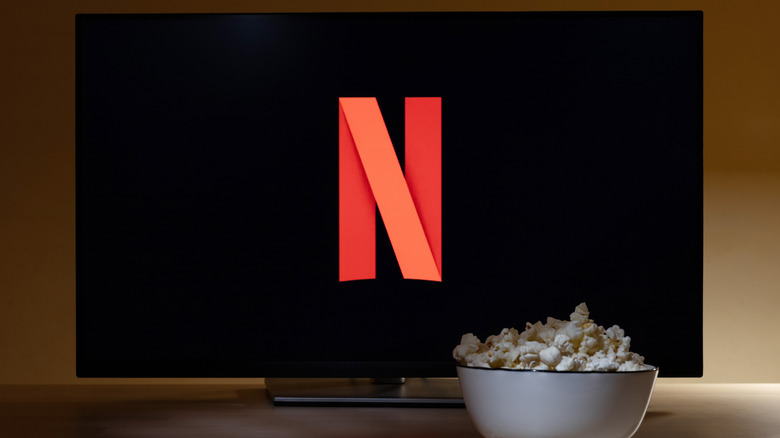
First and foremost, you need a Netflix Premium subscription, which unlocks the best possible video quality, among other benefits. That will set you back $26.99 per month. Second, you need a display that supports Dolby Vision, and to enable the feature. There are a number of TV models from brands like LG, Sony, TCL, and even Amazon Fire TVs, that support the format. Alternatively, you can use a compatible set-top box, gaming console, Windows PC with the Google Chrome or Microsoft Edge browser, or Mac with with Dolby Vision and the Safari browser. Don't forget a high-quality HDMI cable that supports the HDCP 2.2 spec. Streaming Dolby Vision content from a mobile device to a big screen is possible using Chromecast, but you'll typically get the best result with a wired connection or streaming directly from your smart TV app. There's also a collection of soundbars that support Dolby Vision passthrough from brands like Bose, Sony, Denon, and Hisense.
Once you have the subscription, the gear, and the appropriate cable, you also need the right internet speed. Netflix and Dolby both recommend a connection of at least 15 megabits per second for enjoying a smooth, lag-free stream with the best possible quality. Before pressing play once you find a Netflix title with Dolby Vision, visit the app's settings page and confirm that the streaming quality is set to High. For resolution, this could be 4K or 4K HDR, depending on the device from which you're accessing it. Also confirm that you have HDR set to the "on" position under video settings. From there, you're good to go!
The benefits of Dolby Vision
Demaerre/Getty Images
Watching in Dolby Vision affords tons of benefits. Scenes look richer and more cinematic with more detail, colors, and sharper contrast between dark and light visuals. That's true of standard HDR10 as well, but Dolby Vision and HDR10+ add dynamic metadata that can adjust the HDR effect scene-by-scene or even frame-by-frame. This is important as, if a show has very dark or very bright segments, one HDR grade won't be able to display both perfectly on a typical consumer TV. Think of those dark scenes of Vecna in the Upside Down in Stranger Things or the stunning and colorful costumes and backdrops in Bridgerton.
But to get there, every device in the chain must support it, from your subscription to your source device, whether that's a smart TV, streaming stick, or mobile device, plus any connected equipment like an audio receiver if you're streaming through that. All firmware and software needs to be up to date and, unless you're using a built-in app, premium HDMI cables must be used and plugged into a port that supports the high-res playback as well, which includes HDCP 2.2 or later.
Netflix titles that support Dolby Vision include popular shows like, as mentioned, Stranger Things and Bridgerton, as well as The Crown, The Sandman, and Outer Banks. Movies are also available with Dolby Vision, like The Gray Man, Enola Holmes, and Glass Onion.
If you're unsure if you're actually watching content with Dolby Vision or if Netflix is downgrading your picture quality, check settings to verify. From a smart TV, use the info button on the remote. Using a Mac or Windows computer? Try the keyboard shortcut Ctrl + Alt + Shift + D to see details of the streaming session. From a mobile device, check Playback Specification in the app's settings.
With all the right settings, devices, cables, and subscriptions in place, though, you can enjoy movies and TV shows in Dolby Vision quality. But with even one break in the chain, you might not be watching at the level you think you are.