Improved noise canceling and punchier bass? Yes, please.
Adnan Ahmed for Engadget
Apple's courageous decision to drop the 3.5mm headphone jack in 2016 seems to have worked in the company's favor. The AirPods are by far the most popular truly wireless earbuds globally. Competition has also caught up in terms of sound quality and features, and it's generally pretty difficult to end up with a bad pair of wireless earbuds these days. With most higher-end offerings touting active noise cancellation, lossless audio codecs and customizable EQ settings, the purchase decision often comes down to comfort and ecosystem benefits.
Most truly wireless earbuds ship with ear tips that are made of silicone. It's a material that's cheap to manufacture and flexible enough to accommodate a wide range of ear shapes. Manufacturers often throw in two more pairs of ear tips in different sizes to maximize the chances of users finding a fit that works. Unfortunately, human ears come in a vast range of shapes and sizes. In fact, a multi-ethnic study involving more than 1,400 people found that the human ear is a reliable biometric identifier, not unlike a fingerprint.
Besides not providing a secure and comfortable fit, the wrong set of ear tips can also negatively impact sound quality. Unlike over-ear headphones that create a wider seal around your ears, earbuds rely almost entirely on the ear tips to form a proper seal. If it's not a good fit, sound can leak out, and outside noise can get in. This results in weaker bass and noticeably poorer noise cancellation performance.
Foam ear tips are the solution
Adnan Ahmed for Engadget
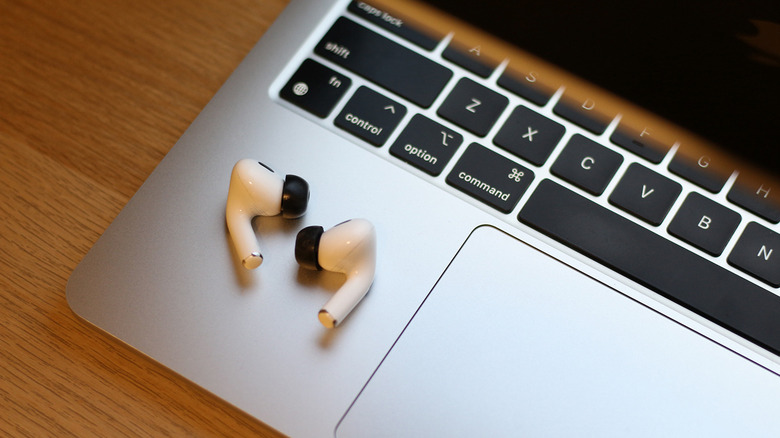
Silicone ear tips are easier to clean and can last virtually as long as the actual earbuds do, but they shouldn't be your first choice if you're looking for the best comfort. There are a handful of renowned third-party manufacturers that sell foam ear tips. If you use memory foam pillows or insoles, you know what I'm getting at. Unlike silicone ear tips that come in a few preset sizes at best, foam tips expand to match the shape of your ear canal and create a much better seal.
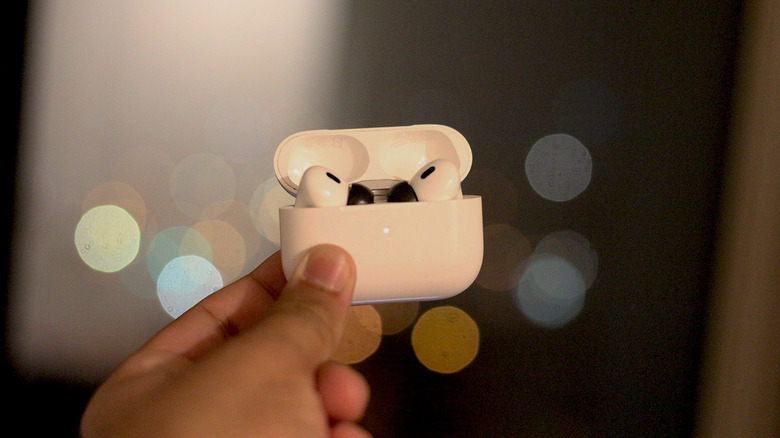
I'm one among the lucky souls who don't have a problem with how most earbuds fit. When I picked up a pair of AirPods Pro 2, though, I decided to go all out and replace the stock silicone ear tips with a set of memory foam alternatives. The first thing I noticed was how much of a better fit they provided. I was no longer adjusting my AirPods every few minutes to keep them in place. The bigger difference, however, was how much more punchy the bass felt.
Now, switching over to foam tips won't magically make your earbuds sound better, but by minimizing sound leakage, they can help music sound fuller and more impactful without you having to crank the volume all the way up. Since foam ear tips create a tighter seal, they dramatically improve passive noise isolation. Not only does this help improve the performance of active noise cancellation when you turn it on, but it also makes it so you don't have to rely on ANC as much in the first place.
How to pick the right earbud tips
Adnan Ahmed for Engadget
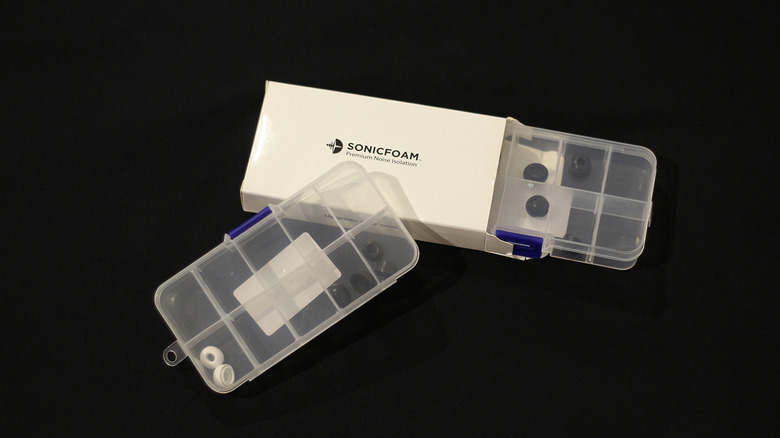
Comply and Sonicfoam are two reputable brands you can shop from, but make sure you check compatibility with your earbuds first. For instance, AirPods feature a proprietary snap-fit mechanism that requires a specific type of ear tip. Though Engadget has not formally tested them, I can personally vouch for the quality of the memory foam ear tips that Sonicfoam sells — I've been using them for over two years now.
Foam ear tips have their fair share of downsides, though. For starters, they wear out rather quickly. If you use your wireless earbuds every day, you can expect your foam ear tips to last around two to three months, although they start losing their ability to fully expand well before that. They also tend to get dirty and attract dust more easily than silicone tips.
Pricing can range from $10 to $40, depending on the brand and the number of ear tips included in the package. Once you've found a pair of foam ear tips that work well for you, it's worth checking if the brand sells refill packs that contain only your preferred size. This way, you don't spend money on smaller or larger ear tips that you'll never use.
Foam ear tips also make it quite clear when it's time for a replacement. If you pinch them and they don't expand as well, they're not going to create the same tight seal in your ear canal. Ideally, you'd also replace them when you notice any visible deformation or damage. A final helpful tip: It's best if you clean them regularly. I've made it a habit to give mine a quick wipe before each use since any buildup of earwax or skin oils can leave them smelling less than pleasant over time.