 3 hours ago
2
3 hours ago
2
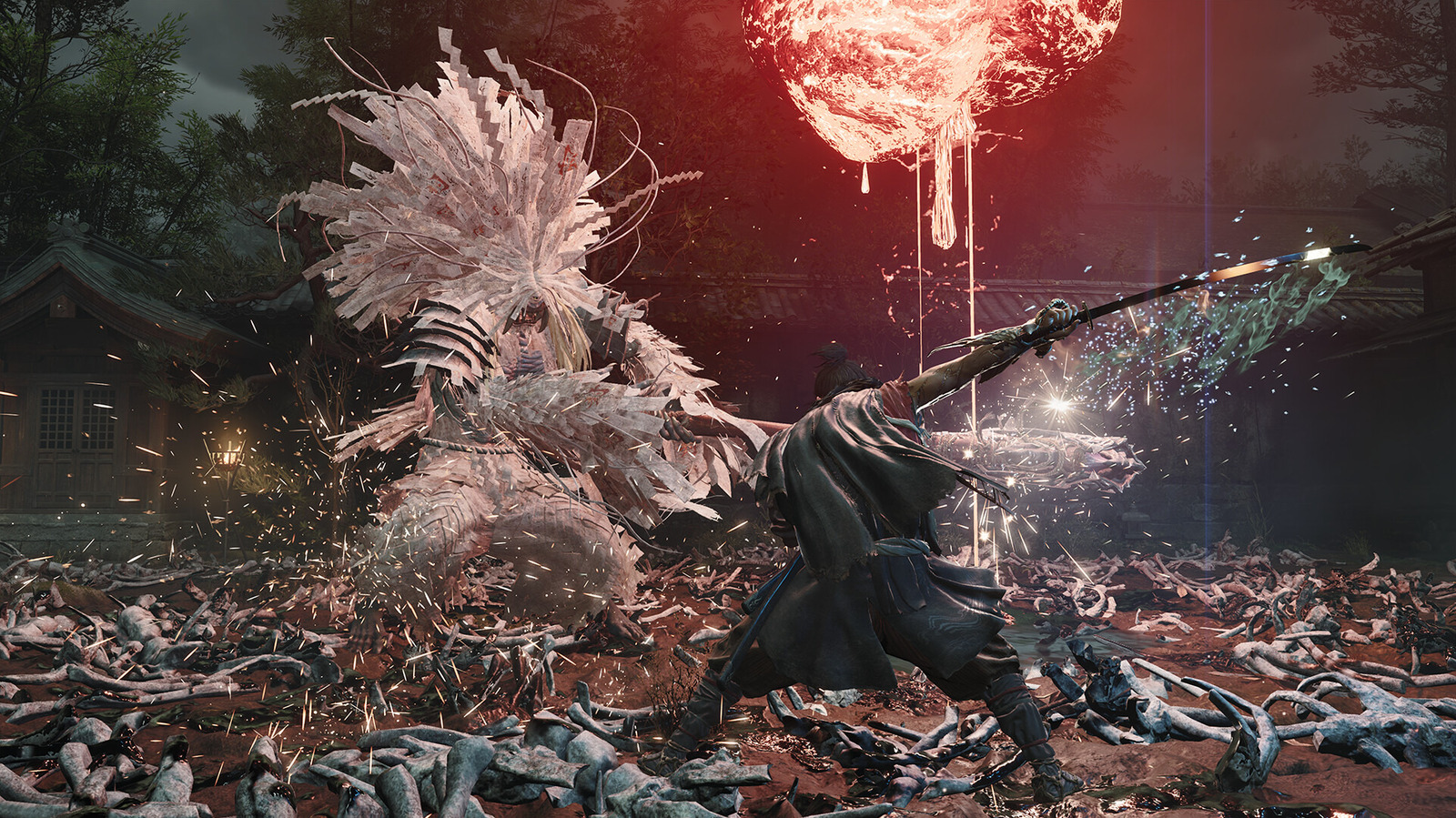
The Duskbloods is a world away from the approachable games Nintendo is known for. But for its next Switch 2 exclusive, the company has partnered with Elden Ring developer FromSoftware on a hardcore multiplayer game about vampires. And after spending a few hours playing through its gothic world at FromSoft’s offices in Tokyo, I’m convinced that The Duskbloods could end up being one of the most important exclusives for Nintendo’s latest console.
It’s a notable change for the company. People buy Nintendo consoles for Nintendo games. That’s a generally accepted truth, and also one that’s backed up by data — a quick glance at the bestselling games across platforms like the Switch and Nintendo 3DS reveals expected names like Mario Kart, Pokémon, and Animal Crossing. Titles from outside developers can be an integral part of broadening a platform’s appeal, but that’s something that Nintendo has historically struggled with. Which is what makes The Duskbloods so intriguing.
The Duskbloods is not an easy game to describe. In a universe of vampires that spans multiple time periods, eight players, controlling vampiric characters known as the Bloodsworn, descend on a level filled with enemies and gigantic boss creatures. Over the course of several phases the group is whittled down until only a few remain, who must then fight until only one is left. This isn’t a Fortnite-style battle royale, however. Instead, The Duskbloods is designed to mix the thrill of competitive play with the roleplaying fantasy that FromSoft has become known for through games like Dark Souls and Bloodborne.

Image: Nintendo
Key to this is something that the game calls “virtue.” Essentially, it’s a system that allows you accumulate points over the course of a match by doing just about everything. You can get virtue by collecting the most items, or by killing the most minor enemies, or by taking down boss creatures like a gigantic frog with far too many humanlike teeth. There are virtue points for exploration — the levels are littered with hidden corpses you can discover — and in the later rounds you can get a huge burst of virtue points by defeating other players on specific points of the map, or making a pledge at an altar before another player stops you.
Each match is divided into four phases, and the player count slowly shrinks through what’s known as “the culling.” Basically, if you don’t have enough virtue points by the time a round ends then you’re out. How many points you need depends entirely on how much virtue other players have collected. The idea is that, even if you maybe aren’t the best one-on-one fighter, you can still progress through the game and make it to the final phase, since there are so many different ways to earn points. And aside from the final round, you’ll respawn immediately after dying with your virtue intact, which makes it easier to try things and explore without fear of the game ending.
In practice, The Duskbloods can be an overwhelming experience, at least initially. It took me some time to wrap my head around the points system; in most competitive multiplayer games, killing other players is the clearest path to victory. Here, though, that’s not the case, particularly at the beginning. Instead, the early rounds are best spent exploring the map, defeating weaker enemies, and generally strengthening your character by acquiring items and experience.
And there’s a lot more to The Duskbloods’ complexity than just the points system. For starters, there are multiple vampiric characters to play as, each of whom has a very different playstyle. In the early version of the game I played — which is the same as the network test that will run later in August — there are six characters to choose from. There’s an aging senator who wields a rapier that doubles as a cane, and who can both summon a prehistoric bird as a ranged attack and temporarily transform into a bloodthirsty dinosaur. There’s a ninja with circular blades, a mysterious man who can shoot columns of fire from a stone embedded in his hand, and an armor-clad weirdo named Zork who carries around an electrified chunk of undersea cable.

Image: Nintendo
Each character plays differently — some are quick and nimble, others lumbering yet powerful — with their own distinct abilities. During each game you can also find and summon companion characters, called kin, which lend help in battle and can also be leveled up over the course of a match. These can be everything from sword-wielding samurai to gigantic wolves. My favorite was a soprano who was also a wrestler, suplexing enemies while singing a song that helped improve my defensive capabilities. You can also turn certain enemies into your minions by sucking their blood and exerting your influence over them.
There are random events that can happen — a zeppelin that barrages the level with bombs, a lightning storm that zaps players to random points on the map — as well as “sigils” you can equip that give you a specific and sometimes strange task to perform that can earn you lots of virtue. For instance, a sigil might be based on revenge, and task you with finding a specific player and killing them. Or it might ask you to find the other player who is your character’s lost love and… propose to them in the middle of the match. These are designed to give you both an additional way to earn points in a match and a role to play in the story.
I should note that what I played is missing some key features that will be in the final game, most notably the majority of the character customization and story elements, which will be a major part of the appeal for existing FromSoft fans. Similarly, while all of the games I played ended in a fight to the death, there will be other possible win conditions, like the last group of players teaming up to defeat a boss.
And all of that is just scratching the surface. There is a lot going on in The Duskbloods. After spending several hours playing the game with other members of the press over the course of two days, I felt like I had just begun to grasp how everything worked. That’s a far cry from the pick-up-and-play nature that has made Nintendo’s online games like Splatoon and Mario Kart such major successes. Those are games that are easy to grasp from the moment you pick up the controller.

Image: Nintendo
But at the same time, The Duskbloods has the potential to do something very significant. With Elden Ring, FromSoft took an extremely intimidating genre of action RPG and opened it up to a new audience by fusing that style of game onto an open world that gave players more choice for how they approached challenges. The result was a massive hit: Elden Ring has sold more than 30 million copies, its expansion Shadow of the Erdtree sold 10 million, and the game is being made into a Hollywood movie. The Duskbloods, meanwhile, is tackling the similarly intimidating field of competitive multiplayer. And while The Duskbloods is still pretty hardcore, it’s designed in a way that attempts to give players things to do even if they can’t win a match.
The live-service space may be a disaster right now, but online multiplayer games still make up the bulk of time people spend playing games. And the combination of online play and FromSoft’s renowned fantasy worldbuilding could eventually lure a new type of player to the Switch 2, at a time when dedicated video game platforms are largely struggling. There’s a lot of risk inherent to a game like this. Control developer Remedy Entertainment, for instance, tried something similar with the co-op shooter FBC: Firebreak, and that didn’t end so well. The Duskbloods has the added challenge of launching exclusively on the Switch 2, a platform that’s not yet known for these kinds of multiplayer experiences.
But the same things that make the game a risk are also what make it so fascinating. The Duskbloods is unlike anything else in the Switch 2’s lineup — and it could help Nintendo reach players beyond Zelda and Mario fans.
Follow topics and authors from this story to see more like this in your personalized homepage feed and to receive email updates.