 1 month ago
28
1 month ago
28
Social media professionals often have multiple jobs rolled into one: content creation, data analysis, customer service, external communications and marketing. But those demands are taking a toll on professionals' mental health.
Generative AI is one solution -- and part of the problem.
Metricool, a social media management platform, surveyed nearly 1,000 social media professionals and found that three-quarters said they manage too many responsibilities at once. Nearly 70% report mental fatigue, with 46% saying they have experienced burnout or near-burnout symptoms, according to the 2026 report, which was shared exclusively with CNET.
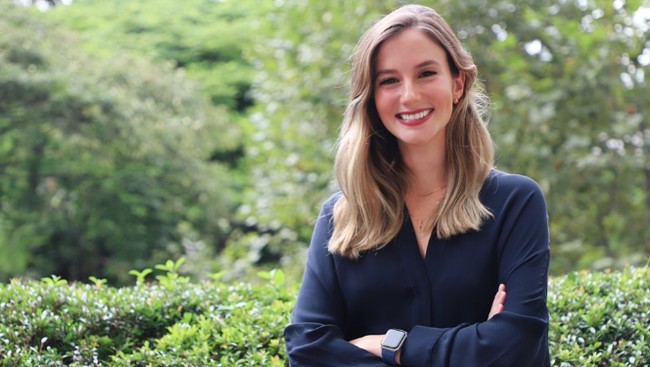
"We've built an industry that expects real-time creativity, performance, crisis management, and constant availability -- often from one person or a very small team. This just isn't sustainable or healthy," said Anniston Ward, education manager at Metricool. Nearly half of respondents (46%) have considered leaving the field because of stress.
In a role many companies deem necessary but don't fully understand, social media professionals are a prime example of how modern workers are expected to do more with fewer resources and use AI to fill gaps, regardless of whether the new tech will actually help.
Social media professionals have been using AI behind the scenes for a while. But Metricool found that AI is not only more common in workflows -- it's also the most popular tool among workers experiencing burnout.
Burnout is the result of ongoing workplace stress, according to the World Health Organization. It manifests as exhaustion, feelings of negativity, a sense of ineffectiveness or inability to feel a sense of accomplishment. Burnout is a problem every industry faces, and the "always on" culture that dominates social media makes those workers prime targets.
Read more: AI Slop Is Destroying the Internet. These Are the People Fighting to Save It
Jordan Grubbs, a longtime creator and founder of digital marketing agency Influence Media Marketing, said mental fatigue is the biggest sign she's burnt out.
"Social media management is constant context switching. I'm moving between different brands, different tones of voice, different goals, different industries," Grubbs said. Constant changes to social platforms pile on. "That cognitive load adds up. When I'm burned out, even small tasks feel heavy, and my to-do list feels impossible."
Many of these social media professionals are relying on AI tools to help keep up. Approximately 72% of Metricool respondents said they use AI or automation tools to manage their workload and improve productivity, compared with other options such as meditation apps, podcasts and playlists.
"AI hasn't eliminated the demands of my job. I'm still up late editing plenty of nights, but it has reduced friction," Grubbs said. "By automating repetitive tasks and helping me think more clearly, it saves me hours each week and makes my workload more sustainable long-term."
Watch this: AI Is Indistinguishable From Reality. How Do We Spot Fake Videos?
03:15
Much of the software creators rely on has been given an AI makeover, from content creation apps like Photoshop and CapCut to scheduling platforms and analytics tools. But those AI integrations aren't necessarily making social media management easier. They could actually be harming it.
"The amount of work it takes to plan, produce and execute a real social strategy has always been minimized. Now with AI, it's only gotten worse -- there's an assumption that ideation, creation and optimization can just be handed off to a chatbot," said Lia Haberman, a consultant and expert in the creator economy.
In reality, human-led creation is more important than ever in the age of AI. A flood of AI-generated content known as "slop" has made AI nearly inescapable online. Big companies like McDonald's and Coca-Cola have faced intense backlash online after using AI in their commercials; luxury fashion house Gucci was recently accused by fans of cheapening the iconic brand by using AI in its ads.
As Grubbs put it, AI helps her work, but it "doesn't replace the experience, judgment, or creative direction" she brings to clients.
At the same time, executives are driving hard to get their companies AI-optimized. Employees worried about losing their jobs to AI have seen several real-world examples of just that, including Amazon laying off thousands of employees in the name of AI. For those left behind, working with AI could actually make their days longer and more unpleasant, according to one study.
For better or worse, AI is part of the reality of life for social media workers. But avoiding burnout while taking on increasing workloads makes AI yet another challenge to manage.
"AI gets celebrated like the messiah of productivity, but instead of actually offsetting the workload, it's just raised the bar on what people are supposed to accomplish," Haberman said. "It's piled another layer of responsibility onto an already overloaded system."