Chromebooks offer some great advantages, but there are limitations to know before you start using one every day.
Savusia Konstantin/Getty Images
Chromebooks have come a long way since their initial release in 2011, and the future promises more interesting devices with the upcoming Googlebooks, which aim to harmonize Android and ChromeOS into a single package. If you're considering switching from Windows or Mac into something more minimalist, a Chromebook can certainly be a good alternative. These machines have their quirks, though, and have proved divisive in tech communities over the years.
If you're someone who wants a machine that's lightweight, efficient and secure, and you largely work within office applications like emails and spreadsheets, it's definitely worth looking into a Chromebook. However, there are a few drawbacks to be aware of before you take the plunge.
Pros of using a Chromebook
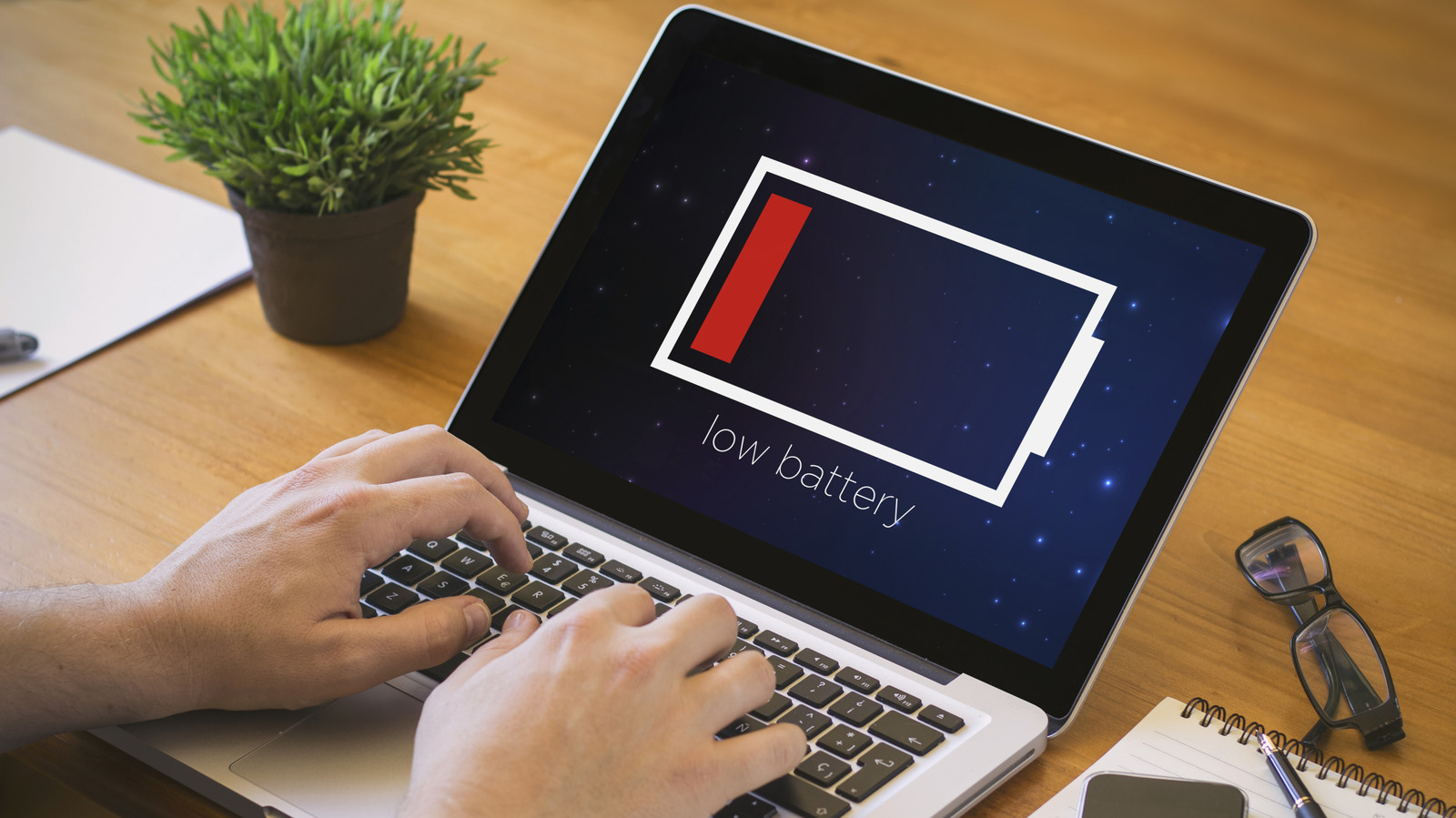
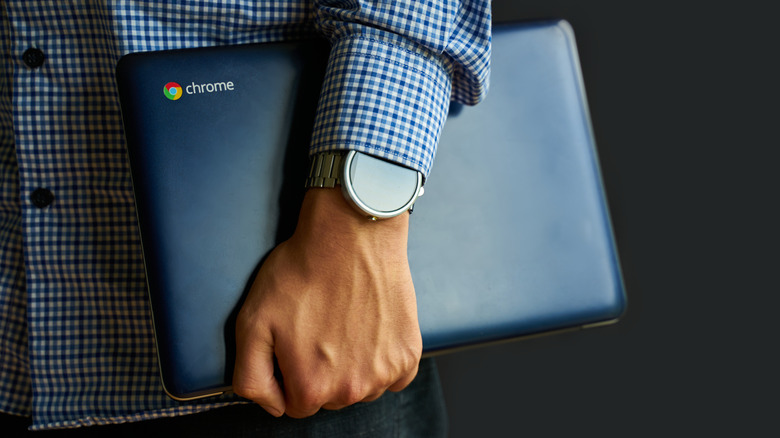
One of the best qualities of a Chromebook is its simplicity, both physically and digitally. They're generally much lighter than a typical laptop, while simultaneously being more durable. They also boast enviable battery life, with many models lasting upwards of 10 hours on a single charge.
This battery life is largely due to the simplicity of ChromeOS. Modeled after the Chrome browser, it's an interface most people are familiar with already, with much less learning needed to use it efficiently. This streamlined approach also means Chromebooks boot within a few seconds.
The OS is much more secure than a typical PC's by default, thanks to a few different approaches. For one, it's a read-only OS; because you can only make changes to your own files and cloud storage, it's much harder for malicious programs to wreck system files. A verified boot system double-checks for suspicious changes each time the Chromebook starts, automatically reverting to a previous version if it detects something's off. And a process called sandboxing — where every webpage and application runs in its own environment — ensures any issues that do arise don't contaminate other areas.
Chromebooks aren't completely immune to security threats, as they can still fall prey to attacks like malicious extensions or Play Store apps. And no matter what device you're using, you can still fall for a phishing email or have your weak password guessed. But in general, Chromebooks offer fewer points of attack than a Windows machine.
If you want more control and don't mind losing most of these security features, you can enable Developer Mode on your Chromebook to get full access to the system. This allows you to install Linux and access a full terminal.
Perhaps the biggest selling point for a Chromebook is its pricing. There are higher-end models that get closer to the prices of standard laptops, retailing upwards of $700, but the average Chromebook is much cheaper. Engadget's Chromebook pick for 2026, the Acer Chromebook Plus 514, is only $400 (depending on where you find it). Many other Chromebooks fall into a similar price range.
Cons of using a Chromebook
Savusia Konstantin/Getty Images
Back when the Chromebook line was introduced, they were essentially useless when you didn't have internet access. Fortunately, there have been several improvements in this area over the years — much of Google Workspace (like Docs and Sheets) will work offline, as will Gmail. Other apps like Netflix and YouTube offer video downloading for offline use. While the offline situation is better now, a Chromebook is still a cloud-dependent device, so you'll find your options limited without internet. Gaming is streaming-focused on ChromeOS, so unless you're looking to play downloaded Android games, you're out of luck.
This streaming-heavy gaming landscape, which largely relies on services like Nvidia GeForce Now and Xbox Cloud Gaming to play non-Google Play Store games, is a symptom of a larger Chromebook problem: software incompatibility. Not only do programs like Steam not run on ChromeOS, but a myriad of professional tools like Adobe Creative Cloud and legacy enterprise software used in fields like healthcare won't work either. If you need any of these programs for work, ChromeOS is a non-starter. Speaking of compatibility, ever since Google Cloud Print was discontinued in 2020, not all printers work with ChromeOS. While most modern Wi-Fi printers should work, checking Google's page on Chromebook printers is a wise idea.
Even the best equivalents to missing software can struggle with heavier rendering and processing due to the typical Chromebook's weaker hardware. Because the OS is much simpler and so cloud-reliant, Chromebooks usually offer far lower specs in key areas like RAM, CPU and storage. There are always exceptions, but higher-spec Chromebooks come with much heftier price tags. If you're worried about the best specs for the money, you should probably buy one of the best standard laptops instead.