 1 month ago
35
1 month ago
35
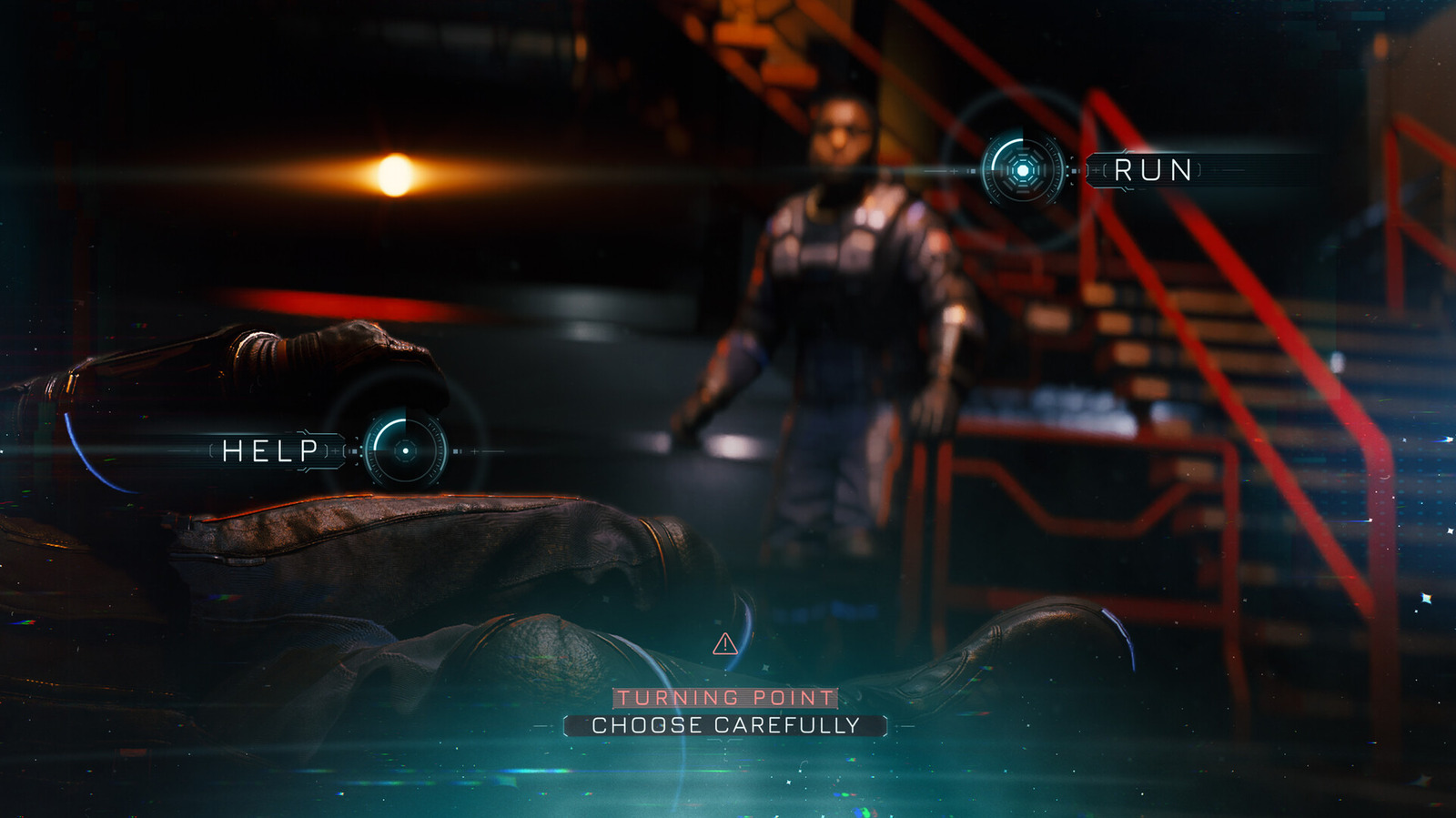
Yesterday Microsoft announced some surprising news: at a time when everything in gaming is getting more expensive, Xbox Game Pass Ultimate was actually getting a price cut. Going forward, the subscription service will drop from $29.99 to $22.99 per month, less than a year after getting a major hike. But there’s a caveat. Along with the cheaper price, Microsoft also announced that future Call of Duty games will no longer be available through Game Pass at launch.
It’s the end to a strange experiment from Microsoft, in which it attempted to boost its subscription service at the expense of selling Call of Duty games, which also happens to be one of the largest and most consistent businesses in video games. By making the change, Microsoft’s gaming division is attempting to solve two problems at once: Game Pass being too expensive and Call of Duty becoming less lucrative. And it could be the start of the company getting back to whatever an Xbox actually is.
The experiment first began in 2024 when Modern Warfare III launched on Game Pass, nearly a year after it first debuted. After that, Microsoft adopted a “day one” strategy, with subsequent releases Black Ops 6 and Black Ops 7 available on Game Pass at the same time they launched everywhere else. It was an attempt from Microsoft to use one of the most popular franchises in video games to bolster Game Pass, which had largely seemed to plateau at a little over 30 million users.
The concept dates back much further, though, as Microsoft has said that Game Pass is the main reason it spent $68.7 billion to acquire Call of Duty publisher Activision Blizzard in the first place. “With Activision Blizzard’s nearly 400 million monthly active players in 190 countries and three billion-dollar franchises, this acquisition will make Game Pass one of the most compelling and diverse lineups of gaming content in the industry,” the company said back in 2022.
But that never really happened. Even with Activision Blizzard titles, Game Pass doesn’t appear to have grown much, if at all; we don’t know for sure because Microsoft hasn’t reported subscriber numbers since 2024. But it certainly would if things were going well. Not only did Call of Duty not have a material impact on Microsoft’s subscription service, putting new CoD games on Game Pass also had the very obvious side effect of reducing sales for those games. Last year Bloomberg reported that the company lost $300 million in Call of Duty sales because of Game Pass.

Photo by Vjeran Pavic / The Verge
In essence, Microsoft acquired one of the most consistent businesses in the video game industry — selling a new Call of Duty every year — and hindered it in hopes that Game Pass would hit a growth spurt. It disrupted something that worked with the expectation that it would lead to something bigger, and it was wrong. Given just how dysfunctional the games industry is right now, with even hugely successful games and studios struggling (something Microsoft certainly isn’t immune to), that now seems like a particularly bone-headed move.
The timing of the change is also important. Xbox is under new management after an executive shakeup, which saw longtime head Phil Spencer retire and be replaced by new Microsoft Gaming CEO Asha Sharma. In a leaked memo from last week, Sharma noted that “Game Pass has become too expensive for players.” In a post on X about the price cut, she added that ”We’ll keep learning and evolving Game Pass to better match what matters to players.”
On the surface, the change is a win-win for Microsoft. Game Pass was too expensive, Call of Duty games weren’t selling as well as they used to, and this will likely remedy both of those issues to some degree (though Game Pass Ultimate is still more expensive than it was before the 2025 price hike). It’s also important to note that CoD isn’t disappearing entirely from Game Pass. Existing games will remain on the service, while future titles will be added “during the following holiday season (about a year later),” according to Microsoft.
For Game Pass subscribers, the math is a little more complicated; the service getting cheaper is undoubtedly a good thing, but it also comes at the expense of one of its biggest selling points. It’s far too early to tell if a less expensive, CoD-light version of the service will ultimately lead to more subscribers.
Xbox is at a critical juncture, one where there’s plenty of confusion over what the brand is and what it stands for. Sharma has been vocal about what she describes as “a renewed commitment to Xbox.” What that actually means has been largely unclear. But the Call of Duty news and Game Pass price cut hints at what that might mean, and it looks a lot like correcting poor decisions from the past.
Follow topics and authors from this story to see more like this in your personalized homepage feed and to receive email updates.