And should you pay for a subscription or buy the system outright?
RSplaneta/Shutterstock
Scraping ice off your windshield at 7AM never gets easier. Neither does dropping into a car seat that's been baking in a July parking lot for six hours. Remote car starters have solved both problems for decades — but in 2026, the options look different. Factory apps, subscription fees and smartphone integration have changed the math.
Should you pay for an automaker's remote start subscription, or does it make more sense to install an aftermarket system? The answer depends largely on what you drive, how long you plan to keep it and how much patience you have for paying monthly to unlock a feature your car may already have. For newer vehicles, the choice often comes down to convenience vs. long-term cost. For older models, aftermarket systems are usually the only realistic path.
What is a remote car starter and what types exist?
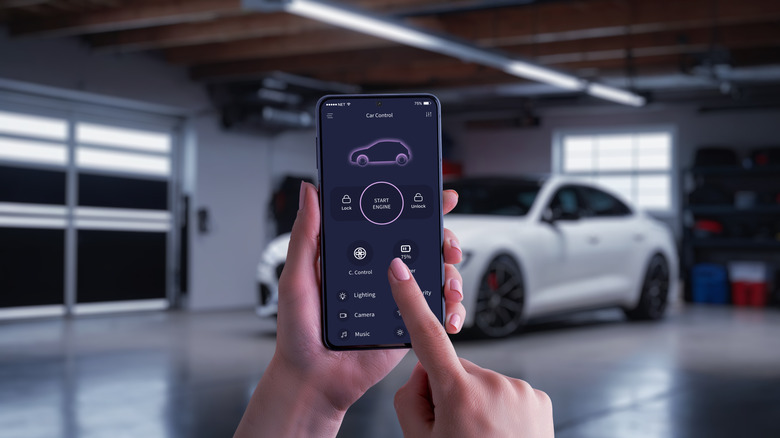
The name makes it pretty obvious, but a remote car starter lets you start your engine from a distance, ideally allowing the cabin to reach a comfortable temperature before you get in. There's a key fob system you can get, which is a dedicated remote that starts your car from nearby, and there are smartphone-connected systems that start your car via an app from virtually anywhere.
Most modern cars can support either type, though compatibility varies by make, model and year. Automatic transmissions are the safest fit. While manual transmissions can work, they require additional safety mechanisms and generally aren't the best candidates.
The value of these systems is pretty straightforward: a pre-conditioned cabin. In winter, that means a defrosted windshield, warm seats and a cabin that doesn't feel like a walk-in freezer. In summer, it means the air conditioning has already knocked the temperature down so the heatwave from Mordor doesn't melt the skin off your face as you open the door.
There's a functional benefit beyond comfort, too, because letting your engine warm up before driving, especially in super cold weather, reduces cold-start stress on critical components. That qualifies as preventive maintenance.
Pros and cons of aftermarket systems and factory apps
THINK A/Shutterstock
So, here's the thing: For a good few years now, car manufacturers have been offering remote starters in their cars. The problem nowadays is that many automakers have put this feature behind a paywall. So, to be able to cool down your car while you're still getting ready to leave home, you have to pay a subscription. GM, Toyota, Subaru, Mazda, Honda, Nissan and others all offer the same service. Depending on the brand, you may get a complimentary trial period. Some, like GM, offer between 30 days and three years of free access when you get a new car, depending on the model, while others offer it free of charge for up to three years.
Subscriptions then cost between $10 and $25 per month, which is quite the steep price to pay, especially after you've gotten used to using this feature (and all others included in the sub). The hardware is already in your car, and yet the automaker is asking for over $120 per year to use features in a car you own. If you drive a newer vehicle, check whether remote start is already included in a plan you're paying for. There are manufacturers that offer app-based remote start for up to ten years, including Ford, Lincoln, Jeep, Dodge, Tesla and Rivian.
Aftermarket systems will have you pay once and let you own it forever. Brands like Compustar, Viper and Python are installed once and owned outright. Hardware costs north of $150, with professional installation services doubling that. But there are no monthly fees and no app subscriptions. You do have to pay extra for smartphone control for some brands, but it's still less than what automakers would charge you for long-term use.
For some vehicles, especially older models, aftermarket options are the only way to get remote start. Most cars built after 2000 with an automatic transmission are compatible.
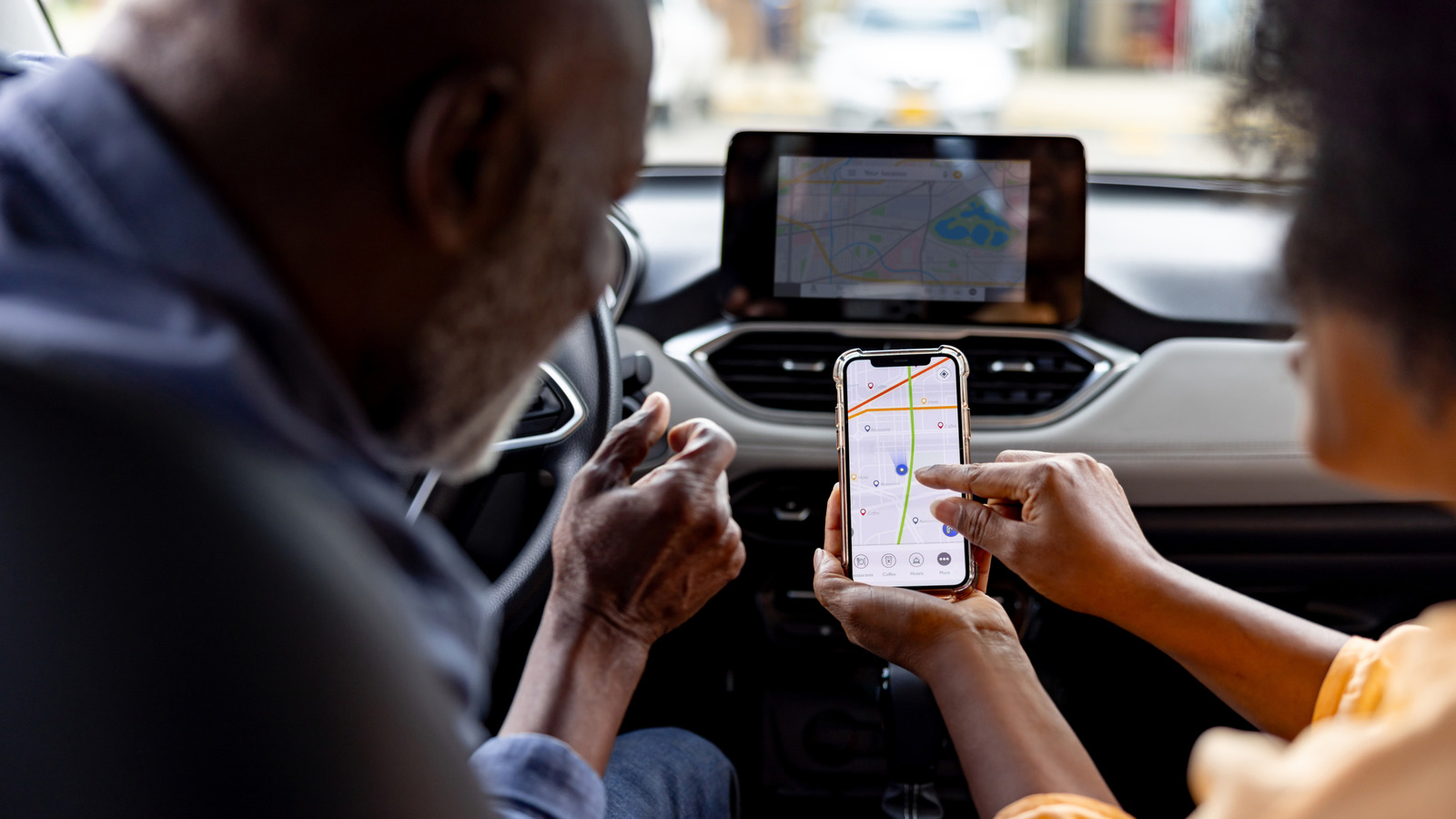
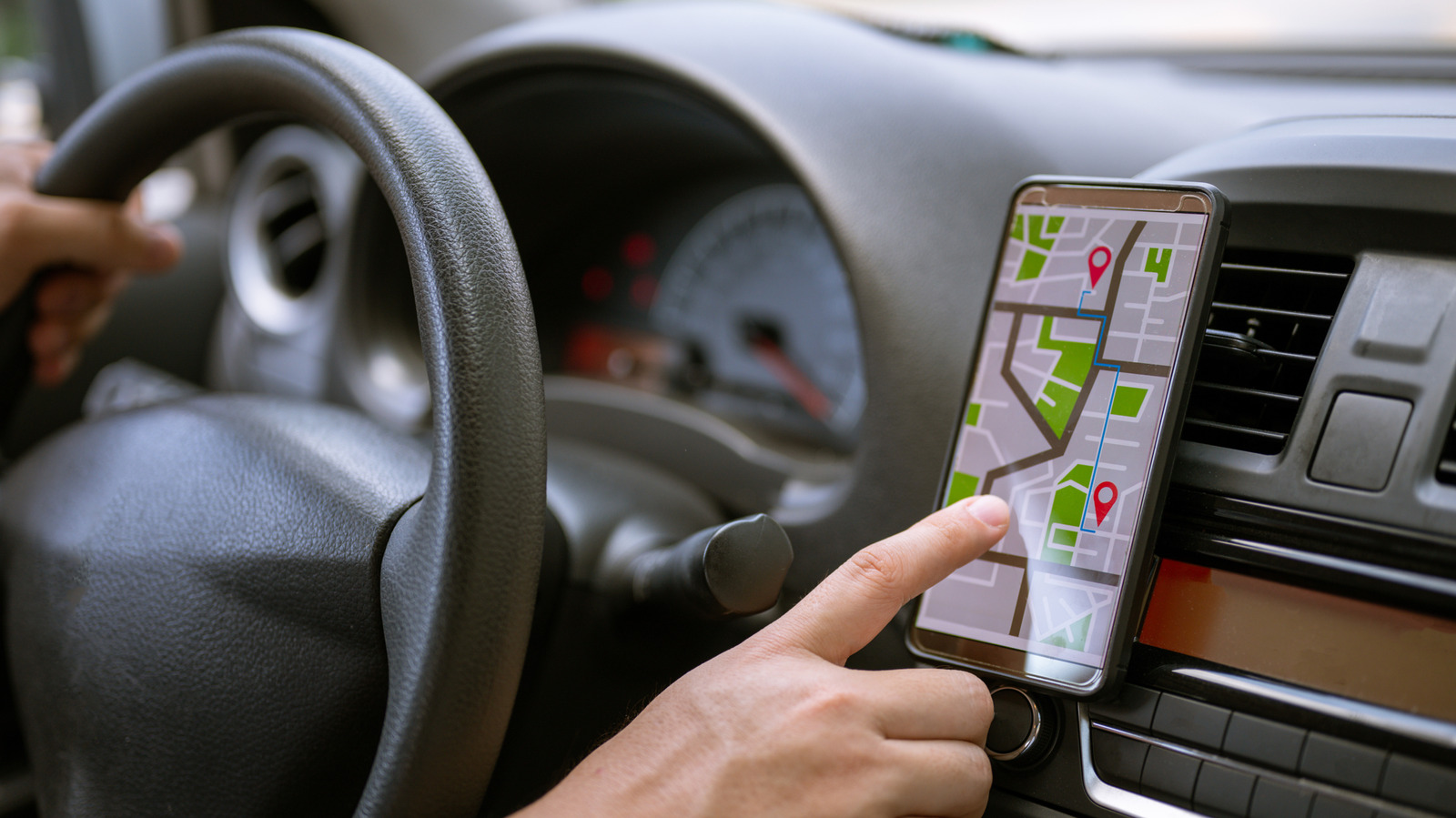
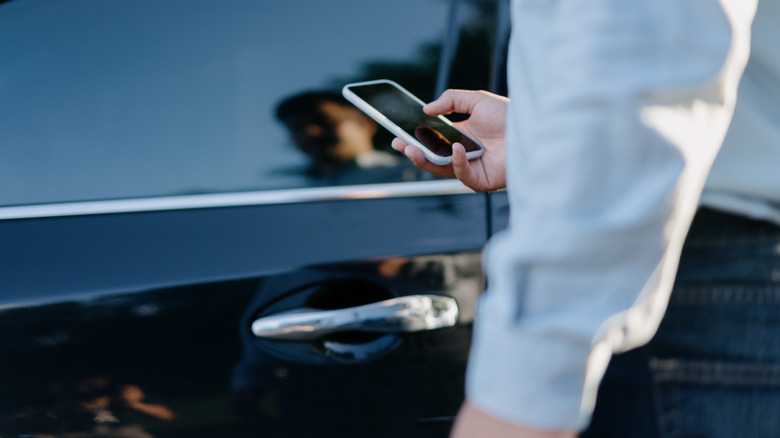
If you're not using the key fob, you can just launch the app on your phone, connect to your car, tap on the Start button and choose whatever climate settings are available for you. That's as easy as it gets.
Remote car starters haven't lost their value in 2026. The convenience is real, the technology is proven, and aftermarket options keep costs manageable without locking you into yet another subscription model. They're a better option for older cars that did not offer this option out of the factory doors, but also for people who really hate having to pay for another subscription on top of everything else.